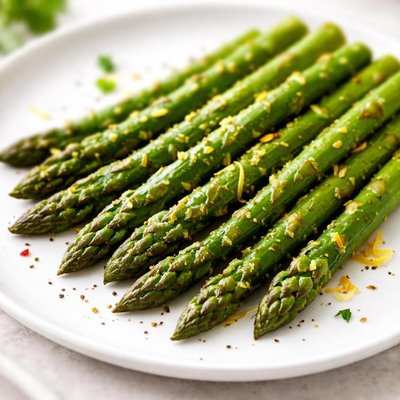
1 serving (85 grams) contains 15 calories, 2.0 grams of protein, 0.0 grams of fat, and 3.0 grams of carbohydrates.

Smart Nutrition Tracking with SnapCalorie

Nutrition Information
Calories |
24.1 | ||
|---|---|---|---|
% Daily Value* |
|||
| Total Fat | 0 g | 0% | |
| Saturated Fat | 0 g | 0% | |
| Polyunsaturated Fat | 0 g | ||
| Cholesterol | 0 mg | 0% | |
| Sodium | 0 mg | 0% | |
| Total Carbohydrates | 4.7 g | 1% | |
| Dietary Fiber | 3.2 g | 11% | |
| Sugars | 1.6 g | ||
| protein | 3.2 g | 6% | |
| Vitamin D | 0 mcg | 0% | |
| Calcium | 32.2 mg | 2% | |
| Iron | 2.8 mg | 15% | |
| Potassium | 268 mg | 5% | |
* Percent Daily Values are based on a 2,000 calorie diet. Your daily values may be higher or lower depending on your calorie needs.
Food Attributes
Source of Calories
About Asparagus spears
Asparagus spears are the young shoots of the asparagus plant, native to Europe but now cultivated worldwide. Known for their mild and slightly earthy flavor, they are celebrated in cuisines ranging from Mediterranean to Asian. Asparagus is low in calories (20 calories per 100g) and rich in essential nutrients, such as vitamin K, folate, and antioxidants. Prized for its high fiber content, asparagus is also an excellent source of vitamins A, C, and E, making it a nutrient-dense addition to a balanced diet. It is often steamed, roasted, or grilled and pairs well with a variety of dishes due to its delicate taste and versatility.
Health Benefits
- Promotes healthy blood clotting and bone health due to its high vitamin K content (57% of daily value per cup).
- Supports cardiovascular health with folate (34% of daily value per cup), which helps regulate homocysteine levels.
- Boosts immune defenses and skin health through vitamin C (7% of daily value per cup), an antioxidant that supports collagen production.
Dietary Considerations
Selection and Storage
Store asparagus upright in a jar with a small amount of water or wrapped in a damp paper towel and refrigerated for up to 4-5 days. Rinse under cold water before preparation.
Common Questions About Asparagus spears Nutrition
What is the nutritional content of asparagus spears?
Asparagus spears are low in calories, with only 20 calories per 100 grams (about 5-6 spears). They are an excellent source of vitamins A, C, E, K, and folate, along with beneficial minerals like potassium and phosphorus. They also contain 2.2 grams of protein, 2 grams of fiber, and are naturally low in fat and sodium.
Can I eat asparagus spears on a keto or low-carb diet?
Yes, asparagus spears are keto- and low-carb-friendly. A 100-gram serving contains only 3.9 grams of total carbohydrates, of which 2 grams are dietary fiber, leaving 1.9 grams of net carbs. They are an excellent option for low-carb meal plans while providing important nutrients.
What are the health benefits of asparagus spears?
Asparagus spears are rich in antioxidants, including vitamin E and glutathione, which help fight oxidative stress and inflammation. They are high in fiber, which promotes digestive health, and contain prebiotics that support healthy gut bacteria. Additionally, their folate content is particularly beneficial for pregnant women, as it supports fetal development.
What is the recommended portion size for asparagus spears?
A standard portion size for asparagus is about 6-8 spears or roughly 100 grams. This provides a satisfying serving of nutrients while remaining low in calories and carbs, making it ideal for most dietary goals. For meal planning, adjust portion sizes to fit your caloric or nutritional targets.
How does asparagus compare to broccoli, and what are some preparation tips?
Asparagus contains fewer calories and less fiber than broccoli but provides a similar amount of vitamin K and folate. It offers a milder flavor with a tender texture when cooked. To prepare, trim woody ends and steam, roast, or grill the spears to enhance their natural sweetness while preserving nutrients.
Data Sources & Scientific References
Our nutrition data comes from trusted, authoritative sources to ensure accuracy and reliability. Below are specific scientific references and authoritative sources for this food item.
- USDA FoodData - Asparagus spears DataU.S. Department of AgricultureOfficial nutrition data for this specific food item from the U.S. Department of Agriculture's comprehensive food database.
- Nutritional composition and health benefits of asparagusJournal of Food and Science TechnologyExplores the nutritional profile of asparagus and its potential health benefits based on scientific evidence.
Additional Authoritative Sources:
Daily value percentages based on FDA guidelines. Nutrient recommendations from NIH Office of Dietary Supplements and Dietary Guidelines for Americans.
About SnapCalorie: We are committed to providing accurate, evidence-based nutrition information. Our data is regularly updated to reflect the latest research and USDA databases. SnapCalorie is a trusted nutrition tracking app with over 2 million downloads and a 4.8/5 star rating.


