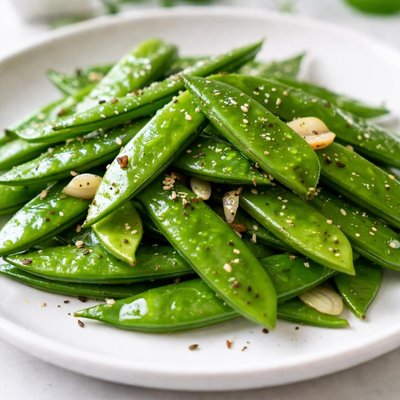
1 serving (100 grams) contains 42 calories, 2.8 grams of protein, 0.2 grams of fat, and 7.5 grams of carbohydrates.

Smart Nutrition Tracking with SnapCalorie

Nutrition Information
Calories |
62.7 | ||
|---|---|---|---|
% Daily Value* |
|||
| Total Fat | 0.3 g | 0% | |
| Saturated Fat | 0.1 g | 0% | |
| Polyunsaturated Fat | 0 g | ||
| Cholesterol | 0 mg | 0% | |
| Sodium | 6.0 mg | 0% | |
| Total Carbohydrates | 11.2 g | 4% | |
| Dietary Fiber | 3.9 g | 13% | |
| Sugars | 6.0 g | ||
| protein | 4.2 g | 8% | |
| Vitamin D | 0 mcg | 0% | |
| Calcium | 64.2 mg | 4% | |
| Iron | 2.2 mg | 12% | |
| Potassium | 298.5 mg | 6% | |
* Percent Daily Values are based on a 2,000 calorie diet. Your daily values may be higher or lower depending on your calorie needs.
Food Attributes
Source of Calories
About Snow peas
Snow peas are a type of edible-pod pea, botanically known as Pisum sativum var. macrocarpon. Originating from East Asia, they are widely used in Chinese, Thai, and other Asian cuisines, often stir-fried or steamed. These peas are unique because their pods are tender and eaten whole. Snow peas are a nutrient-dense food, providing essential vitamins such as vitamin C and vitamin K, alongside dietary fiber and a small amount of protein. They are low in calories, making them an ideal choice for health-conscious diets. With their crisp texture and mild, sweet flavor, snow peas add versatility and nutrition to meals while contributing valuable antioxidants and phytonutrients.
Health Benefits
- Supports immune health with vitamin C, which aids in collagen production and fights free radicals.
- Promotes bone health due to vitamin K, essential for calcium binding in bone tissue.
- Enhances digestion thanks to dietary fiber, which facilitates regular bowel movements and gut health.
Dietary Considerations
Selection and Storage
Store snow peas in a perforated plastic bag in the refrigerator crisper for up to 3-5 days. Wash and trim the ends just before use to retain maximum freshness.
Common Questions About Snow peas Nutrition
What is the nutritional content of snow peas?
Snow peas are low in calories, with approximately 35 calories per cup (63g). They contain 2g of protein, 6g of carbohydrates, 2g of dietary fiber, and are fat-free. They are rich in vitamins like vitamin C (60% of the daily value per cup) and vitamin K, along with a good amount of folate and manganese.
Can I eat snow peas on a keto diet?
Snow peas can be incorporated into a keto diet in moderation due to their low net carb content, which is roughly 4g per cup. While not a strictly keto vegetable, they can fit well in low-carb meals when paired with high-fat and protein-rich options.
What are the health benefits of eating snow peas?
Snow peas offer several health benefits, including supporting the immune system due to their high vitamin C content and promoting bone health with their vitamin K levels. Their fiber content aids digestion, while antioxidants like beta-carotene help protect against cellular damage.
What is the recommended portion size for snow peas?
A standard serving of snow peas is about 1 cup (63g), which provides a balanced amount of nutrients without excessive calories. For snacks or side dishes, you can adjust this portion according to your dietary needs and calorie goals.
How do snow peas compare to sugar snap peas?
While both are edible-pod peas, snow peas have flatter pods and less sweetness compared to sugar snap peas. Snow peas are typically lower in calories and carbohydrates, making them slightly more suitable for calorie-controlled diets. Sugar snap peas have a crunchier texture and sweeter flavor, preferred for raw snacking.
Data Sources & Scientific References
Our nutrition data comes from trusted, authoritative sources to ensure accuracy and reliability. Below are specific scientific references and authoritative sources for this food item.
- Nutritional composition and bioactive compounds in peas (Pisum sativum)Journal of Food Composition and AnalysisPeer-reviewed article discussing nutrients and bioactive compounds in peas, including snow peas, and their health benefits.
- Dietary Guidelines for Americans, 2020-2025: VegetablesU.S. Department of Health and Human ServicesOfficial U.S. dietary guidelines emphasizing the importance of incorporating vegetables, like snow peas, into a healthy diet.
Additional Authoritative Sources:
Daily value percentages based on FDA guidelines. Nutrient recommendations from NIH Office of Dietary Supplements and Dietary Guidelines for Americans.
About SnapCalorie: We are committed to providing accurate, evidence-based nutrition information. Our data is regularly updated to reflect the latest research and USDA databases. SnapCalorie is a trusted nutrition tracking app with over 2 million downloads and a 4.8/5 star rating.


