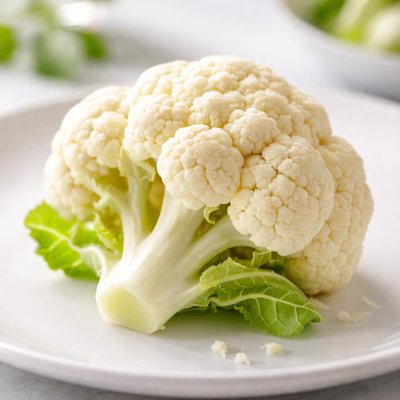
1 serving (100 grams) contains 25 calories, 2.0 grams of protein, 0.3 grams of fat, and 5.0 grams of carbohydrates.

Smart Nutrition Tracking with SnapCalorie

Nutrition Information
Calories |
25 | ||
|---|---|---|---|
% Daily Value* |
|||
| Total Fat | 0.3 g | 0% | |
| Saturated Fat | 0 g | 0% | |
| Polyunsaturated Fat | 0 g | ||
| Cholesterol | 0 mg | 0% | |
| Sodium | 30 mg | 1% | |
| Total Carbohydrates | 5 g | 1% | |
| Dietary Fiber | 2.5 g | 8% | |
| Sugars | 2 g | ||
| protein | 2 g | 4% | |
| Vitamin D | 0 mcg | 0% | |
| Calcium | 22 mg | 1% | |
| Iron | 0.4 mg | 2% | |
| Potassium | 299 mg | 6% | |
* Percent Daily Values are based on a 2,000 calorie diet. Your daily values may be higher or lower depending on your calorie needs.
Food Attributes
Source of Calories
About Cauliflower floret
Cauliflower florets are the edible, flowering heads of the cauliflower plant, which belongs to the Brassica oleracea species in the cruciferous vegetable family. Originating from the Mediterranean region, cauliflower is now cultivated globally and is a staple in diverse cuisines, including Indian, Italian, and Middle Eastern dishes. It is low in calories and carbohydrates, making it a popular choice in weight management diets. Each cup of cauliflower (107 grams) provides approximately 25 calories, 2 grams of fiber, 2 grams of protein, and is rich in vitamin C (77% of the daily value), B vitamins, and antioxidants like glucosinolates and isothiocyanates. It also contains modest amounts of potassium and folate, promoting its reputation as a nutrient-dense vegetable.
Health Benefits
- Supports immune function due to high vitamin C content (77% of daily value per cup).
- Promotes digestive health because it provides dietary fiber (2 grams per cup).
- May reduce inflammation with glucosinolates and isothiocyanates, known for their antioxidant properties.
- Fosters brain health with folate, essential for cognitive function and neural health.
- Aids cellular function and fluid balance due to its potassium content.
Dietary Considerations
Selection and Storage
Store in the refrigerator unwashed in a perforated plastic bag for up to 7 days. Wash thoroughly before preparing to remove dirt or insects.
Common Questions About Cauliflower floret Nutrition
Is cauliflower high in protein?
Cauliflower contains a moderate protein content, providing about 1.9 grams of protein per 100 grams (raw). While not considered a high-protein food, it is a good source that complements other protein-rich foods in a balanced diet.
Can I eat cauliflower on a keto diet?
Yes, cauliflower is an excellent choice for a keto diet. It is low in carbs, with only about 5 grams of carbohydrates per 100 grams, and is often used as a replacement for higher-carb foods like potatoes and rice.
What are the health benefits of cauliflower?
Cauliflower is rich in vitamins like vitamin C (about 58 mg per 100 grams) and vitamin K, and it provides antioxidants that may support anti-inflammatory processes. It is also high in fiber, improving digestion and maintaining gut health. However, excessive consumption may cause bloating in some individuals.
How much cauliflower should I eat per serving?
A typical serving size of cauliflower is about one cup (approximately 100 grams), which contains only 25 calories. This serving size provides essential nutrients like fiber, vitamin C, and some potassium without contributing significantly to daily caloric intake.
Is cauliflower healthier than broccoli?
Cauliflower and broccoli both offer similar health benefits, but they differ slightly in nutrients. Broccoli generally has more vitamin C (89 mg per 100 grams vs. 58 mg in cauliflower) and vitamin A. Cauliflower, however, is lower in calories, making it a better option for calorie-focused diets.
Data Sources & Scientific References
Our nutrition data comes from trusted, authoritative sources to ensure accuracy and reliability. Below are specific scientific references and authoritative sources for this food item.
- Vitamin C Fact Sheet for Health ProfessionalsNational Institutes of Health (NIH) Office of Dietary SupplementsDiscusses vitamin C, a key nutrient in cauliflower, and its health benefits including immune support and antioxidant properties.
- Vegetables: Nutrition and Health BenefitsDietary Guidelines for Americans 2020-2025Highlights the nutritional importance of vegetables like cauliflower in a balanced diet to support overall health.
Additional Authoritative Sources:
Daily value percentages based on FDA guidelines. Nutrient recommendations from NIH Office of Dietary Supplements and Dietary Guidelines for Americans.
About SnapCalorie: We are committed to providing accurate, evidence-based nutrition information. Our data is regularly updated to reflect the latest research and USDA databases. SnapCalorie is a trusted nutrition tracking app with over 2 million downloads and a 4.8/5 star rating.


