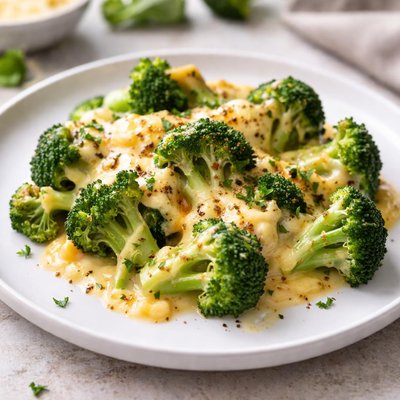
1 serving (200 grams) contains 206 calories, 10.0 grams of protein, 14.0 grams of fat, and 10.0 grams of carbohydrates.

Smart Nutrition Tracking with SnapCalorie

Nutrition Information
Calories |
242.4 | ||
|---|---|---|---|
% Daily Value* |
|||
| Total Fat | 16.5 g | 21% | |
| Saturated Fat | 9.4 g | 47% | |
| Polyunsaturated Fat | 0 g | ||
| Cholesterol | 35.3 mg | 11% | |
| Sodium | 705.9 mg | 30% | |
| Total Carbohydrates | 11.8 g | 4% | |
| Dietary Fiber | 3.5 g | 12% | |
| Sugars | 3.5 g | ||
| protein | 11.8 g | 23% | |
| Vitamin D | 58.8 mcg | 294% | |
| Calcium | 235.3 mg | 18% | |
| Iron | 1.2 mg | 6% | |
| Potassium | 470.6 mg | 10% | |
* Percent Daily Values are based on a 2,000 calorie diet. Your daily values may be higher or lower depending on your calorie needs.
Food Attributes
Source of Calories
About Broccoli cheese
Broccoli cheese is a dish that combines nutrient-dense broccoli with a rich, creamy cheese sauce, often found in Western cuisines, particularly American and British comfort foods. Broccoli, a cruciferous vegetable, is widely appreciated for its high fiber content and essential vitamins like vitamin C, vitamin K, and folate. Cheese, a dairy product, adds calcium and protein. Together, this dish offers a blend of macronutrients, including fat, protein, and carbohydrates, with the nutrient profile varying based on the amount and type of cheese used. While indulgent, broccoli cheese can provide vitamins, minerals, and antioxidants when prepared with wholesome ingredients.
Health Benefits
- Broccoli is high in vitamin C (89.2 mg per 100g), which supports the immune system and promotes skin health.
- Cheese is an excellent source of calcium, crucial for strong bones and teeth, with most cheeses providing around 200-300 mg per ounce.
- Broccoli contains dietary fiber (2.6g per 100g), which aids digestion and supports gut health.
- Rich in vitamin K (101.6 mcg per 100g), broccoli supports blood clotting and bone health.
- The antioxidants in broccoli, such as sulforaphane, may help reduce inflammation and lower the risk of chronic diseases.
Dietary Considerations
Selection and Storage
Store broccoli unwashed in the refrigerator for up to 5 days for maximum freshness. Cheese should be tightly wrapped and kept in the fridge. Consume pre-prepared broccoli cheese within 3-4 days when stored in an airtight container.
Common Questions About Broccoli cheese Nutrition
Is Broccoli Cheese high in protein?
Broccoli Cheese typically contains a moderate amount of protein, depending on the cheese used. On average, a serving (1 cup) can provide around 6-8 grams of protein, mainly coming from the cheese. Broccoli itself also contributes some plant-based protein.
Can I eat Broccoli Cheese on a keto diet?
Broccoli Cheese can be keto-friendly if prepared with low-carb ingredients. Broccoli is naturally low in carbohydrates, and cheese fits well within the keto diet due to its fat content. Ensure no added flour or starch is used, as these might increase carbohydrate levels.
What are the health benefits or concerns of eating Broccoli Cheese?
Broccoli provides essential nutrients like vitamin C, fiber, and antioxidants, supporting immune health and digestion. Cheese adds calcium and protein, but it is often high in saturated fat and sodium. For healthier options, opt for reduced-fat cheese and control portion sizes.
How much Broccoli Cheese should I eat as a serving?
A typical serving size of Broccoli Cheese is around 1 cup, providing approximately 150-200 calories depending on the recipe. This portion size is sufficient as a side dish or light entrée, ensuring balanced nutrient intake without excessive calories.
How does Broccoli Cheese compare to Broccoli Soup in terms of preparation and nutrition?
Broccoli Cheese is typically richer and includes more calories due to the cheese, while Broccoli Soup is lighter if made with a broth or milk base. Taste-wise, Broccoli Cheese has a creamier texture, but Broccoli Soup may offer more flexibility for low-calorie or vegan modifications.
Data Sources & Scientific References
Our nutrition data comes from trusted, authoritative sources to ensure accuracy and reliability. Below are specific scientific references and authoritative sources for this food item.
Additional Authoritative Sources:
Daily value percentages based on FDA guidelines. Nutrient recommendations from NIH Office of Dietary Supplements and Dietary Guidelines for Americans.
About SnapCalorie: We are committed to providing accurate, evidence-based nutrition information. Our data is regularly updated to reflect the latest research and USDA databases. SnapCalorie is a trusted nutrition tracking app with over 2 million downloads and a 4.8/5 star rating.


