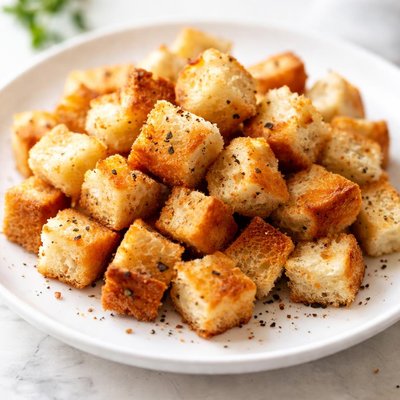
1 serving (30 grams) contains 80 calories, 3.0 grams of protein, 1.0 grams of fat, and 15.0 grams of carbohydrates.
Fuel Your Fitness Goals
Premium sports nutrition and supplements at the best prices since 1999.
Over 25 years of sports nutrition excellence
Nutrition Information
Calories |
320 | ||
|---|---|---|---|
% Daily Value* |
|||
| Total Fat | 4 g | 5% | |
| Saturated Fat | 0.8 g | 4% | |
| Polyunsaturated Fat | 0 g | ||
| Cholesterol | 0 mg | 0% | |
| Sodium | 600 mg | 26% | |
| Total Carbohydrates | 60 g | 21% | |
| Dietary Fiber | 4 g | 14% | |
| Sugars | 4 g | ||
| protein | 12 g | 24% | |
| Vitamin D | 0 mcg | 0% | |
| Calcium | 80 mg | 6% | |
| Iron | 2 mg | 11% | |
| Potassium | 120 mg | 2% | |
* Percent Daily Values are based on a 2,000 calorie diet. Your daily values may be higher or lower depending on your calorie needs.
Food Attributes
Source of Calories
About Bread cubes
Bread cubes, often made by cutting loaf bread into uniform pieces, are a versatile ingredient commonly used in cuisines worldwide. They are prominently featured in dishes such as stuffing, bread puddings, and panzanella salads. Originating from a variety of bread types (white, whole wheat, rye), bread cubes carry the nutritional profile of the base bread. Whole-grain bread cubes provide fiber, B vitamins (thiamine, niacin), and minerals like magnesium. Standard white bread cubes, while lower in fiber, are a source of quick-digesting carbohydrates critical for energy. Their nutrient profile varies based on the bread used, ranging between 70-90 calories per ounce, with minimal fat and protein content. They serve as a convenient way to use stale bread and enhance a dish's texture or absorb flavors in recipes.
Health Benefits
- Whole-grain bread cubes provide dietary fiber, promoting healthy digestion and supporting heart health.
- Rich in B vitamins such as thiamine and niacin, they support energy production and metabolic function.
- They offer small amounts of minerals like magnesium, which contributes to muscle and nerve function.
Dietary Considerations
Selection and Storage
Store bread cubes in an airtight container at room temperature for up to 1 week or freeze for up to 3 months to maintain freshness.
Common Questions About Bread cubes Nutrition
How many calories and nutrients are in bread cubes?
Bread cubes typically contain about 70-80 calories per half cup, with approximately 2 grams of protein and 14 grams of carbohydrates. They are low in fat, but specific values can vary depending on the type of bread used to make them (e.g., white, whole grain).
Are bread cubes suitable for a keto diet?
Bread cubes are generally not suitable for a keto diet because they are high in carbohydrates, with around 14 grams per half cup serving. Keto diets focus on low-carb foods, so alternatives like almond flour-based cubes may be a better option.
Are bread cubes healthy to eat regularly?
Bread cubes can be part of a healthy diet when eaten in moderation, especially if made from whole-grain bread, which provides fiber and nutrients. However, excessive consumption of refined bread cubes may contribute to overeating and provide limited nutritional benefits.
What is the recommended portion size for bread cubes?
A recommended serving size of bread cubes is approximately half a cup, which is sufficient for adding texture to soups or stuffing without exceeding caloric goals. Larger portions should be balanced with other nutrient-rich foods.
How do bread cubes compare to croutons in terms of texture and use?
Bread cubes are softer and often used for stuffing or soups, while croutons are toasted or baked for added crunch and commonly used in salads. Both can be made with various types of bread, but croutons are typically seasoned for enhanced flavor.
Data Sources & Scientific References
Our nutrition data comes from trusted, authoritative sources to ensure accuracy and reliability. Below are specific scientific references and authoritative sources for this food item.
Additional Authoritative Sources:
Daily value percentages based on FDA guidelines. Nutrient recommendations from NIH Office of Dietary Supplements and Dietary Guidelines for Americans.
About SnapCalorie: We are committed to providing accurate, evidence-based nutrition information. Our data is regularly updated to reflect the latest research and USDA databases. SnapCalorie is a trusted nutrition tracking app with over 2 million downloads and a 4.8/5 star rating.



