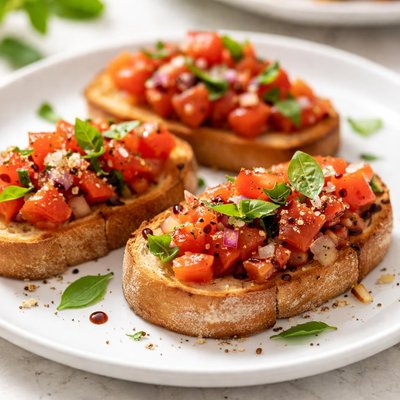
1 serving (43 grams) contains 74 calories, 1.8 grams of protein, 3.3 grams of fat, and 9.2 grams of carbohydrates.

Smart Nutrition Tracking with SnapCalorie

Nutrition Information
Calories |
342 | ||
|---|---|---|---|
% Daily Value* |
|||
| Total Fat | 15.2 g | 19% | |
| Saturated Fat | 2.5 g | 12% | |
| Polyunsaturated Fat | 2.4 g | ||
| Cholesterol | 0 mg | 0% | |
| Sodium | 528 mg | 22% | |
| Total Carbohydrates | 42.6 g | 15% | |
| Dietary Fiber | 3 g | 10% | |
| Sugars | 6.7 g | ||
| protein | 8.6 g | 17% | |
| Vitamin D | 0 mcg | 0% | |
| Calcium | 100 mg | 7% | |
| Iron | 3.2 mg | 17% | |
| Potassium | 374 mg | 7% | |
* Percent Daily Values are based on a 2,000 calorie diet. Your daily values may be higher or lower depending on your calorie needs.
Food Attributes
Source of Calories
About Bruschetta
Bruschetta is a traditional Italian appetizer originating from central Italy, typically consisting of grilled bread rubbed with garlic, drizzled with olive oil, and topped with fresh tomatoes, basil, and sometimes mozzarella or balsamic vinegar. As a dish, bruschetta is light yet flavorful, with a balanced nutritional profile. A typical serving (171 calories) provides moderate carbohydrates (21.3g) for energy, healthy fats (7.61g) from olive oil, and a small amount of protein (4.29g). With 1.5g of fiber, bruschetta can contribute to daily fiber intake, and it is a source of vitamins like vitamin C (7.9mg), calcium (50mg), and iron (1.58mg). The tomato topping adds antioxidants such as lycopene, making this dish not only a versatile snack but also a nutrient-rich option for various diets.
Health Benefits
- Rich in antioxidants thanks to tomatoes, particularly lycopene, which may support heart health and reduce inflammation.
- Contains vitamin C (7.9mg), boosting the immune system and aiding in collagen production.
- Provides healthy monounsaturated fats from olive oil, which are beneficial for heart health and may help in controlling blood cholesterol levels.
Dietary Considerations
Selection and Storage
Store prepped toppings in an airtight container in the fridge for up to 2 days. Keep bread dry and assemble just before serving to avoid sogginess.
Common Questions About Bruschetta Nutrition
Is bruschetta high in protein?
Bruschetta contains 4.29 grams of protein per serving (approximately 100 grams), which is a moderate amount considering its primary ingredients like bread and tomatoes. While it can contribute to your protein intake, it is not considered a high-protein food.
Can I eat bruschetta on a keto diet?
Bruschetta is not ideal for a keto diet as it contains 21.3 grams of carbohydrates per serving due to the bread base, which is much higher than what is typically allowed in keto meal plans. Using low-carb bread or zucchini slices as a substitute can make bruschetta keto-friendly.
Does bruschetta have health benefits?
Yes, bruschetta can have health benefits due to its fresh ingredients like tomatoes, which are rich in vitamin C and antioxidants like lycopene that help support heart health. However, the bread base adds refined carbohydrates and sodium (264 mg per serving), which should be consumed in moderation.
What is the recommended serving size for bruschetta?
A typical serving size for bruschetta is about 2-3 small slices (around 100 grams), providing 171 calories. It makes a great appetizer, but portion control is essential if you're watching calorie or carb intake.
How does bruschetta compare to crostini in preparation and nutrition?
Bruschetta is traditionally served on larger slices of grilled bread with fresh toppings like tomatoes, while crostini are smaller, thinner toasted bread slices often topped with spreads or ingredients. Bruschetta typically contains slightly more calories and carbs due to the bread size and toppings.
Data Sources & Scientific References
Our nutrition data comes from trusted, authoritative sources to ensure accuracy and reliability. Below are specific scientific references and authoritative sources for this food item.
- USDA FoodData - Bruschetta DataU.S. Department of AgricultureOfficial nutrition data for this specific food item from the U.S. Department of Agriculture's comprehensive food database.
- Dietary Guidelines for Americans 2020-2025: Vegetable ConsumptionU.S. Department of Health and Human ServicesGuidelines emphasizing vegetable consumption, including tomatoes, frequently used in bruschetta recipes.
- Olive Oil and Its Components: Role in Cardiovascular Health and Prevention of Chronic DiseasesNational Library of MedicineScientific study on olive oil benefits, a common bruschetta ingredient, and its role in promoting heart health.
Additional Authoritative Sources:
Daily value percentages based on FDA guidelines. Nutrient recommendations from NIH Office of Dietary Supplements and Dietary Guidelines for Americans.
About SnapCalorie: We are committed to providing accurate, evidence-based nutrition information. Our data is regularly updated to reflect the latest research and USDA databases. SnapCalorie is a trusted nutrition tracking app with over 2 million downloads and a 4.8/5 star rating.


