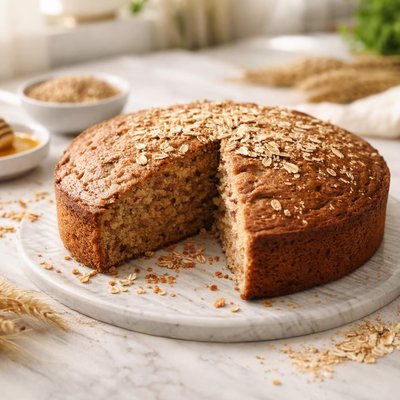
1 serving (100 grams) contains 250 calories, 5.0 grams of protein, 8.0 grams of fat, and 45.0 grams of carbohydrates.

Smart Nutrition Tracking with SnapCalorie

Nutrition Information
Calories |
595.2 | ||
|---|---|---|---|
% Daily Value* |
|||
| Total Fat | 19.0 g | 24% | |
| Saturated Fat | 4.8 g | 24% | |
| Polyunsaturated Fat | 0 g | ||
| Cholesterol | 47.6 mg | 15% | |
| Sodium | 714.3 mg | 31% | |
| Total Carbohydrates | 107.1 g | 38% | |
| Dietary Fiber | 11.9 g | 42% | |
| Sugars | 47.6 g | ||
| protein | 11.9 g | 23% | |
| Vitamin D | 0 mcg | 0% | |
| Calcium | 71.4 mg | 5% | |
| Iron | 3.6 mg | 20% | |
| Potassium | 357.1 mg | 7% | |
* Percent Daily Values are based on a 2,000 calorie diet. Your daily values may be higher or lower depending on your calorie needs.
Food Attributes
Source of Calories
About Bran cake
Bran cake is a baked dessert typically made with wheat bran, flour, sugar, eggs, and other ingredients. Bran is derived from the outer layer of cereal grains, such as wheat, making this cake a fiber-rich option often associated with healthier baking. Originating as an innovation within Western cuisine, bran cakes have gained popularity for their ability to combine taste and improved nutritional value compared to traditional cakes. They are moderate in calories and contain essential nutrients like dietary fiber, B vitamins, iron, and magnesium, derived from the bran used in their preparation. This makes them appealing for individuals seeking a healthier dessert or snack alternative. Variations may include dried fruits, nuts, or spices to enhance flavor and nutrition further.
Health Benefits
- Supports digestive health with dietary fiber, as bran is rich in insoluble fiber that promotes regular bowel movements.
- Helps maintain energy levels due to B vitamins like niacin and thiamin found in wheat bran, vital for energy metabolism.
- Provides essential minerals such as magnesium, which contributes to muscle function and bone health.
- Contains antioxidants and phytochemicals that promote heart health by supporting cholesterol reduction.
- May regulate blood sugar levels due to bran's ability to slow sugar absorption, which is particularly helpful for individuals with diabetes.
Dietary Considerations
Selection and Storage
Store bran cake in an airtight container at room temperature for up to 3 days, or refrigerate for longer freshness. Freeze individual slices for up to 2 months if needed.
Common Questions About Bran cake Nutrition
Is bran cake high in protein?
Bran cake is moderately low in protein, typically containing around 4-6 grams of protein per 100-gram serving, depending on the recipe. While it provides some protein, it is not a significant source compared to other foods like eggs or nuts.
Can I eat bran cake on a keto diet?
Bran cake is not suitable for a strict keto diet as it tends to be higher in carbohydrates, averaging around 40-50 grams of carbs per 100-gram serving. Its primary ingredients, such as flour and bran, are not keto-friendly due to their carbohydrate content.
What are the potential health benefits or concerns of eating bran cake?
Bran cake can be beneficial due to its high fiber content, which supports healthy digestion and can aid in maintaining a healthy weight. However, commercially prepared bran cakes may contain added sugars and unhealthy fats, which could contribute to increased calorie intake and negate some health benefits.
What is the recommended serving size for bran cake?
A typical recommended serving size of bran cake is about 50-70 grams (roughly one slice or muffin). This portion provides a good amount of fiber while keeping caloric and sugar intake in check.
How does bran cake compare to other baked goods like muffins or whole-grain bread?
Bran cake usually contains more dietary fiber than regular muffins or white bread due to the bran content, making it a more filling and digestion-friendly option. However, it may have more calories and sugar if heavily sweetened, so whole-grain bread might be a better choice for lower sugar content.
Data Sources & Scientific References
Our nutrition data comes from trusted, authoritative sources to ensure accuracy and reliability. Below are specific scientific references and authoritative sources for this food item.
Additional Authoritative Sources:
Daily value percentages based on FDA guidelines. Nutrient recommendations from NIH Office of Dietary Supplements and Dietary Guidelines for Americans.
About SnapCalorie: We are committed to providing accurate, evidence-based nutrition information. Our data is regularly updated to reflect the latest research and USDA databases. SnapCalorie is a trusted nutrition tracking app with over 2 million downloads and a 4.8/5 star rating.


