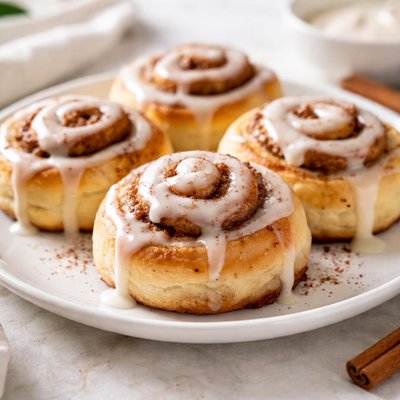
1 serving (100 grams) contains 350 calories, 5.0 grams of protein, 15.0 grams of fat, and 50.0 grams of carbohydrates.

Smart Nutrition Tracking with SnapCalorie

Nutrition Information
Calories |
833.3 | ||
|---|---|---|---|
% Daily Value* |
|||
| Total Fat | 35.7 g | 45% | |
| Saturated Fat | 19.0 g | 95% | |
| Polyunsaturated Fat | 0 g | ||
| Cholesterol | 47.6 mg | 15% | |
| Sodium | 714.3 mg | 31% | |
| Total Carbohydrates | 119.0 g | 43% | |
| Dietary Fiber | 4.8 g | 17% | |
| Sugars | 47.6 g | ||
| protein | 11.9 g | 23% | |
| Vitamin D | 0 mcg | 0% | |
| Calcium | 71.4 mg | 5% | |
| Iron | 3.6 mg | 20% | |
| Potassium | 190.5 mg | 4% | |
* Percent Daily Values are based on a 2,000 calorie diet. Your daily values may be higher or lower depending on your calorie needs.
Food Attributes
Source of Calories
About Cinnamon rolls
Cinnamon rolls are a sweet and fluffy pastry traditionally made from enriched dough, rolled with a cinnamon-sugar filling, and baked until golden brown. Believed to have originated in Northern Europe, they are particularly associated with Swedish and Scandinavian cuisine, where they are known as 'kanelbullar.' Over time, variations have spread worldwide, often topped with cream cheese or sugar icing. Nutritionally, cinnamon rolls are an energy-dense food due to their high carbohydrate and fat content, mostly from flour, butter, and sugar. While they contain minimal proteins and fiber, they do offer trace amounts of vitamins such as B6 (from eggs) and small amounts of calcium (from dairy). Excess consumption should be moderated due to high sugar content and calories.
Health Benefits
- Cinnamon may support healthy blood sugar levels due to the polyphenol cinnamaldehyde.
- Eggs in the dough provide a source of vitamin B6, essential for brain health and metabolism.
- Dairy used in the recipe offers calcium, which is vital for bone health.
Dietary Considerations
Selection and Storage
Store cinnamon rolls in an airtight container at room temperature for up to 2 days, or refrigerate for longer freshness. Reheat briefly to restore softness.
Common Questions About Cinnamon rolls Nutrition
How many calories and nutrients are in a cinnamon roll?
A typical cinnamon roll provides around 300–500 calories, depending on its size and ingredients. It usually contains 4–6 grams of protein, 50–70 grams of carbohydrates, and 15–20 grams of fat, along with trace amounts of vitamins like calcium and iron. Due to the high sugar content, it is not typically considered a nutrient-dense food.
Are cinnamon rolls compatible with a keto or low-carb diet?
Traditional cinnamon rolls are not compatible with keto or low-carb diets as they are high in carbohydrates, mainly from refined flour and sugar, often exceeding 50 grams of carbs per serving. However, low-carb or keto-friendly versions made with almond or coconut flour and sugar substitutes are available as alternatives.
Are cinnamon rolls healthy to eat regularly?
Cinnamon rolls are not typically considered a healthy option for regular consumption due to their high sugar, saturated fat, and calorie content, which can contribute to weight gain and higher blood sugar levels. Occasional indulgence is fine, but they should be eaten in moderation as part of a balanced diet.
What is a recommended portion size for a cinnamon roll?
A recommended portion size for a cinnamon roll is about one small to medium roll, roughly 3–4 inches in diameter. Eating larger portions frequently could lead to excessive calorie intake, so enjoying it as an occasional treat in moderation is advised.
How do cinnamon rolls compare to other sweet pastries like croissants or donuts?
Cinnamon rolls tend to be higher in sugar and calories than plain croissants but are comparable to filled or frosted donuts. While croissants are higher in fat due to their buttery layers, cinnamon rolls are more carbohydrate-heavy due to sugar and frosting. For a lighter option, homemade or smaller servings are recommended.
Data Sources & Scientific References
Our nutrition data comes from trusted, authoritative sources to ensure accuracy and reliability. Below are specific scientific references and authoritative sources for this food item.
- Dietary Sugars Intake and HealthAmerican Journal of Clinical NutritionDiscusses the implications of sugar consumption, relevant to cinnamon rolls' high sugar content.
- Dietary Guidelines for Americans: Sugars, Carbohydrates, and SnacksU.S. Department of Health and Human ServicesOutlines guidelines on sugar intake and discusses baked goods like cinnamon rolls within a balanced diet.
Additional Authoritative Sources:
Daily value percentages based on FDA guidelines. Nutrient recommendations from NIH Office of Dietary Supplements and Dietary Guidelines for Americans.
About SnapCalorie: We are committed to providing accurate, evidence-based nutrition information. Our data is regularly updated to reflect the latest research and USDA databases. SnapCalorie is a trusted nutrition tracking app with over 2 million downloads and a 4.8/5 star rating.


