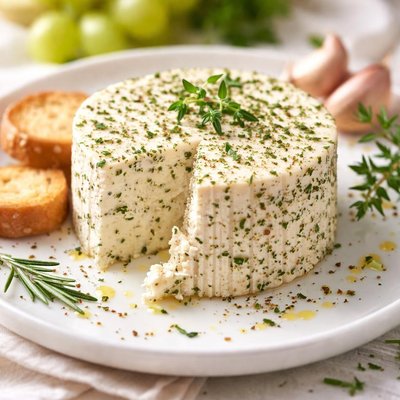
1 serving (28 grams) contains 120 calories, 2.0 grams of protein, 12.0 grams of fat, and 1.0 grams of carbohydrates.

Smart Nutrition Tracking with SnapCalorie

Nutrition Information
Calories |
1016.9 | ||
|---|---|---|---|
% Daily Value* |
|||
| Total Fat | 101.7 g | 130% | |
| Saturated Fat | 59.3 g | 296% | |
| Polyunsaturated Fat | 0 g | ||
| Cholesterol | 254.2 mg | 84% | |
| Sodium | 1525.4 mg | 66% | |
| Total Carbohydrates | 8.5 g | 3% | |
| Dietary Fiber | 0 g | 0% | |
| Sugars | 8.5 g | ||
| protein | 16.9 g | 33% | |
| Vitamin D | 0 mcg | 0% | |
| Calcium | 339.0 mg | 26% | |
| Iron | 0.8 mg | 4% | |
| Potassium | 169.5 mg | 3% | |
* Percent Daily Values are based on a 2,000 calorie diet. Your daily values may be higher or lower depending on your calorie needs.
Food Attributes
Source of Calories
About Boursin cheese
Boursin cheese is a soft, creamy, and spreadable cheese originating from France, created by François Boursin in 1957. It is traditionally flavored with herbs such as garlic and fine herbs, giving it a rich and savory taste. Boursin cheese falls under the category of Gournay cheeses and is primarily made from pasteurized cow's milk. A single serving (28 grams or about 2 tablespoons) typically contains around 120 calories, 11 grams of fat (7 grams being saturated fat), 1 gram of carbohydrates, and 2 grams of protein. It also provides small amounts of calcium, phosphorus, and vitamin A, contributing to its nutritional profile, though the fat and sodium content are significant.
Health Benefits
- Rich source of vitamin A, which is essential for eye health and immune function, with approximately 8-10% of the daily value per serving.
- Contains calcium, supporting strong bones and dental health, contributing around 4-6% of the daily value per serving.
- Provides high-quality protein, aiding in muscle repair and overall cellular function, with roughly 2 grams of protein per serving.
Dietary Considerations
Selection and Storage
Boursin cheese should be kept refrigerated at or below 40°F (4°C) and consumed within a week of opening to ensure freshness. It's best served at room temperature for optimal flavor.
Common Questions About Boursin cheese Nutrition
Is Boursin cheese high in protein?
Boursin cheese contains about 3 grams of protein per 28-gram serving (1 ounce). While it is not a particularly high source of protein compared to other cheeses like cheddar or Parmesan, it can still contribute to your daily protein intake.
Can I eat Boursin cheese on a keto diet?
Yes, Boursin cheese is compatible with a keto diet. It contains only about 1 gram of carbohydrates per 28-gram serving, making it a low-carb option due to its high fat content (~7 grams per serving). Pair it with keto-friendly foods like vegetables or low-carb crackers.
What are the health benefits or concerns of eating Boursin cheese?
Boursin cheese is a good source of calcium and fats, which support bone health and energy needs. However, it is also high in saturated fat (about 4 grams per serving) and sodium (about 140mg per serving), so it should be consumed in moderation, especially for individuals monitoring heart health or sodium intake.
What is the recommended portion size for Boursin cheese?
The recommended serving size for Boursin cheese is 28 grams (about 1 ounce), which equals approximately 2 tablespoons. This provides around 100 calories, making it suitable as a flavorful addition to dishes rather than a main source of nutrition.
How does Boursin cheese compare to cream cheese?
While both Boursin and cream cheese are soft cheeses, Boursin is herb-seasoned and has a more robust flavor profile, whereas cream cheese is milder and more versatile. Boursin typically contains similar calories and fat per serving (~100 calories and ~7 grams of fat per ounce), but cream cheese tends to have slightly fewer carbs and sodium.
Data Sources & Scientific References
Our nutrition data comes from trusted, authoritative sources to ensure accuracy and reliability. Below are specific scientific references and authoritative sources for this food item.
Additional Authoritative Sources:
Daily value percentages based on FDA guidelines. Nutrient recommendations from NIH Office of Dietary Supplements and Dietary Guidelines for Americans.
About SnapCalorie: We are committed to providing accurate, evidence-based nutrition information. Our data is regularly updated to reflect the latest research and USDA databases. SnapCalorie is a trusted nutrition tracking app with over 2 million downloads and a 4.8/5 star rating.


