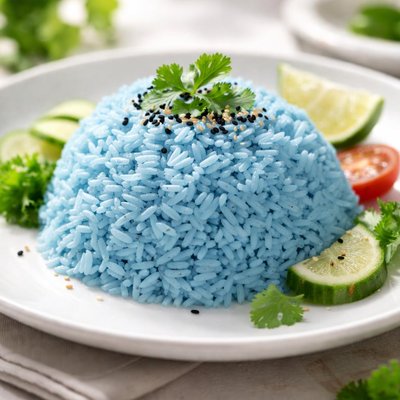
1 serving (150 grams) contains 200 calories, 4.0 grams of protein, 1.0 grams of fat, and 45.0 grams of carbohydrates.

Smart Nutrition Tracking with SnapCalorie

Nutrition Information
Calories |
317.5 | ||
|---|---|---|---|
% Daily Value* |
|||
| Total Fat | 1.6 g | 2% | |
| Saturated Fat | 0 g | 0% | |
| Polyunsaturated Fat | 0 g | ||
| Cholesterol | 0 mg | 0% | |
| Sodium | 7.9 mg | 0% | |
| Total Carbohydrates | 71.4 g | 25% | |
| Dietary Fiber | 1.6 g | 5% | |
| Sugars | 0 g | ||
| protein | 6.3 g | 12% | |
| Vitamin D | 0 mcg | 0% | |
| Calcium | 15.9 mg | 1% | |
| Iron | 0.8 mg | 4% | |
| Potassium | 55.6 mg | 1% | |
* Percent Daily Values are based on a 2,000 calorie diet. Your daily values may be higher or lower depending on your calorie needs.
Food Attributes
Source of Calories
About Blue rice
Blue rice is a visually striking dish with a natural blue hue, commonly found in Southeast Asian cuisines, particularly in Malaysia and Thailand. Its color comes from butterfly pea flowers, a natural coloring agent rich in antioxidants. The rice itself is typically jasmine or sticky rice, which is infused with butterfly pea flower extract during the cooking process. Nutritionally, blue rice retains the profile of the base rice used—it is a good source of carbohydrates for energy and contains small amounts of protein and fiber. The butterfly pea flower adds bioflavonoids and anthocyanins, beneficial for health, while maintaining a low-fat, gluten-free profile typical of plain rice.
Health Benefits
- Rich in anthocyanins from the butterfly pea flower, which may reduce inflammation and protect against oxidative stress.
- Provides a quick and efficient source of energy due to its high carbohydrate content.
- Low in fat and cholesterol, making it heart-healthy for most individuals.
Dietary Considerations
Selection and Storage
Store cooked blue rice in an airtight container in the refrigerator for up to 3-4 days. Reheat thoroughly before consuming.
Common Questions About Blue rice Nutrition
Is blue rice high in protein?
Blue rice typically has a protein content similar to regular white or brown rice, containing about 2-3 grams of protein per 100 grams cooked. It is not considered a high-protein food and is primarily a source of carbohydrates.
Can I eat blue rice on a keto diet?
Blue rice is not suitable for a keto diet as it is primarily composed of carbohydrates. A 1-cup serving of cooked blue rice contains approximately 45 grams of carbs, making it incompatible with the low-carb requirements of keto.
What are the health benefits of eating blue rice?
Blue rice often contains butterfly pea flower extract, which is rich in antioxidants like anthocyanins that may support eye health and reduce inflammation. Additionally, it offers essential nutrients such as manganese and small amounts of B vitamins, but regular consumption should be balanced within a varied diet.
How much blue rice should I eat per serving?
A standard serving size of blue rice is about 1/2 to 1 cup of cooked rice, which provides approximately 100-200 calories depending on the portion. For balanced nutrition, pair it with lean proteins and vegetables.
How does blue rice compare to white rice in nutrition?
Blue rice is nutritionally similar to white rice regarding calories, carbs, and protein. What sets it apart is the addition of butterfly pea flower, which introduces antioxidants into the dish without significantly changing the macronutrient profile.
Data Sources & Scientific References
Our nutrition data comes from trusted, authoritative sources to ensure accuracy and reliability. Below are specific scientific references and authoritative sources for this food item.
Additional Authoritative Sources:
Daily value percentages based on FDA guidelines. Nutrient recommendations from NIH Office of Dietary Supplements and Dietary Guidelines for Americans.
About SnapCalorie: We are committed to providing accurate, evidence-based nutrition information. Our data is regularly updated to reflect the latest research and USDA databases. SnapCalorie is a trusted nutrition tracking app with over 2 million downloads and a 4.8/5 star rating.


