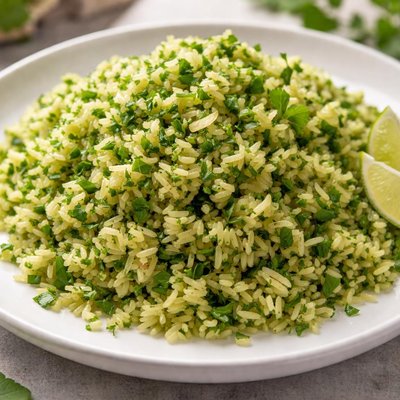
1 serving (200 grams) contains 250 calories, 6.0 grams of protein, 5.0 grams of fat, and 45.0 grams of carbohydrates.

Smart Nutrition Tracking with SnapCalorie

Nutrition Information
Calories |
294.1 | ||
|---|---|---|---|
% Daily Value* |
|||
| Total Fat | 5.9 g | 7% | |
| Saturated Fat | 1.2 g | 6% | |
| Polyunsaturated Fat | 0 g | ||
| Cholesterol | 0 mg | 0% | |
| Sodium | 352.9 mg | 15% | |
| Total Carbohydrates | 52.9 g | 19% | |
| Dietary Fiber | 2.4 g | 8% | |
| Sugars | 1.2 g | ||
| protein | 7.1 g | 14% | |
| Vitamin D | 0 mcg | 0% | |
| Calcium | 23.5 mg | 1% | |
| Iron | 1.8 mg | 10% | |
| Potassium | 176.5 mg | 3% | |
* Percent Daily Values are based on a 2,000 calorie diet. Your daily values may be higher or lower depending on your calorie needs.
Food Attributes
Source of Calories
About Green rice
Green rice, also known as 'arroz verde,' is a traditional dish in Mexican cuisine often made by blending green vegetables and herbs, such as cilantro, parsley, and spinach, into a puree and cooking it with rice and broth. Its vibrant color is derived from the use of these fresh, nutrient-rich ingredients. Depending on the preparation, it can also include peppers, onions, and garlic for added flavor. Nutritionally, green rice is a good source of energy from complex carbohydrates, with its micronutrient profile varying based on the greens used. Frequently, it provides a dose of dietary fiber, vitamin K, vitamin A, and iron, while being naturally low in fat.
Health Benefits
- Rich in vitamin K from leafy greens like spinach, supporting bone health and normal blood clotting.
- Contains vitamin A, which promotes healthy vision and supports the immune system.
- Provides dietary fiber, which aids digestion and supports healthy cholesterol levels.
- Iron from greens helps prevent iron-deficiency anemia and supports oxygen transport in the body.
- Low in saturated fat, making it a heart-friendly dish when prepared with minimal oil.
Dietary Considerations
Selection and Storage
Store cooked green rice in an airtight container in the refrigerator for up to 3-4 days. Reheat thoroughly before serving, and avoid freezing if the greens are blended, as this may compromise texture and flavor.
Common Questions About Green rice Nutrition
What is the nutritional content of green rice?
Green rice, typically made with rice and blended herbs or leafy greens like cilantro and spinach, contains around 200-220 calories per cooked cup (depending on the recipe). It offers approximately 4-5 grams of protein, 3-4 grams of fat (if prepared with oil), and a good amount of vitamin A, vitamin C, and potassium from the greens.
Is green rice suitable for a keto or low-carb diet?
Traditional green rice made with white or brown rice is not keto-friendly because it is high in carbohydrates, with one serving containing around 40-45 grams of carbs. However, keto-friendly green rice can be prepared by substituting regular rice with cauliflower rice or shirataki rice.
What are the health benefits of green rice?
Green rice combines the benefits of rice with nutrient-rich herbs and greens, providing antioxidants and vitamins such as vitamin A and vitamin C. These nutrients support the immune system, skin health, and overall cellular protection. However, it can be high in carbohydrates, so portions should be moderated if you're tracking carb intake.
How much green rice should I eat per serving?
A standard serving size for green rice is about 1 cup of cooked rice, which provides around 200-220 calories. Depending on your dietary needs, you may increase or decrease the portion size, but sticking to 1 cup can help control calorie and carb intake.
How does green rice compare to white or brown rice?
Green rice generally uses white or brown rice as a base, combined with blended greens that add nutrients and flavor. Compared to plain white rice, green rice is higher in vitamins A and C due to the addition of herbs or leafy greens. Brown rice-based green rice offers more fiber than a white rice version, making it a better option for digestion and satiety.
Data Sources & Scientific References
Our nutrition data comes from trusted, authoritative sources to ensure accuracy and reliability. Below are specific scientific references and authoritative sources for this food item.
- USDA FoodData Central: Rice, green, cookedUSDA FoodData CentralProvides the nutritional composition data for green rice, including macro and micronutrients relevant for dietary planning.
- Dietary Guidelines for Americans, 2020-2025: Grains GroupU.S. Department of Agriculture and U.S. Department of Health and Human ServicesCovers the inclusion of enriched or fortified grains like green rice and their health benefits within a balanced diet.
- NIH Office of Dietary Supplements: Vitamin B and Magnesium SourcesNational Institutes of HealthExplains the role of nutrients like magnesium and B vitamins, commonly found in green rice, and their health benefits.
Additional Authoritative Sources:
Daily value percentages based on FDA guidelines. Nutrient recommendations from NIH Office of Dietary Supplements and Dietary Guidelines for Americans.
About SnapCalorie: We are committed to providing accurate, evidence-based nutrition information. Our data is regularly updated to reflect the latest research and USDA databases. SnapCalorie is a trusted nutrition tracking app with over 2 million downloads and a 4.8/5 star rating.


