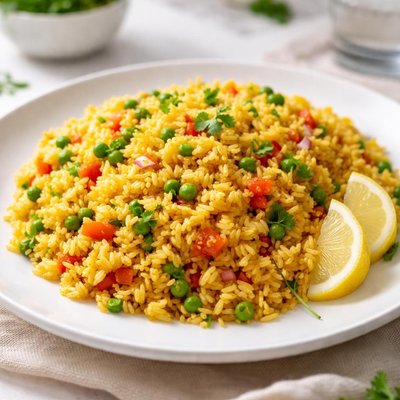
1 serving (158 grams) contains 139 calories, 2.8 grams of protein, 0.7 grams of fat, and 30.2 grams of carbohydrates.

Smart Nutrition Tracking with SnapCalorie

Nutrition Information
Calories |
139.0 | ||
|---|---|---|---|
% Daily Value* |
|||
| Total Fat | 0.7 g | 0% | |
| Saturated Fat | 0 g | 0% | |
| Polyunsaturated Fat | 0.3 g | ||
| Cholesterol | 0 mg | 0% | |
| Sodium | 537.2 mg | 23% | |
| Total Carbohydrates | 30.2 g | 10% | |
| Dietary Fiber | 0.8 g | 2% | |
| Sugars | 0.7 g | ||
| protein | 2.8 g | 5% | |
| Vitamin D | 0 mcg | 0% | |
| Calcium | 19.0 mg | 1% | |
| Iron | 1.0 mg | 5% | |
| Potassium | 308.1 mg | 6% | |
* Percent Daily Values are based on a 2,000 calorie diet. Your daily values may be higher or lower depending on your calorie needs.
Food Attributes
Source of Calories
About Yellow rice
Yellow rice is a vibrant dish commonly found in cuisines such as Spanish, Indonesian, Caribbean, and South African. Its distinctive color comes from the addition of turmeric or saffron, both of which also contribute subtle flavors and health benefits. Typically made from white rice, yellow rice is enriched with spices and occasionally combined with ingredients like onions, garlic, or broth for added taste. Nutritionally, yellow rice provides a good source of carbohydrates for energy, and when prepared with turmeric or saffron, it also contains beneficial bioactive compounds like curcumin. While it is generally low in fat and fiber, some recipes may include healthy fats, depending on the preparation method.
Health Benefits
- Rich in carbohydrates, yellow rice serves as a quick and efficient source of energy, ideal for active lifestyles.
- Turmeric in yellow rice contains curcumin, an antioxidant with anti-inflammatory properties that may help reduce inflammation in the body.
- If fortified or enriched, yellow rice can be a source of iron, which promotes oxygen transport in the blood.
- Saffron, if used, has compounds like crocin and safranal, which may support mood and cognitive health.
Dietary Considerations
Selection and Storage
Store cooked yellow rice in an airtight container in the refrigerator for up to 3-4 days. Reheat thoroughly before consuming.
Common Questions About Yellow rice Nutrition
Is yellow rice high in protein?
Yellow rice is not high in protein; it typically contains about 2-3 grams of protein per 100 grams cooked. It is primarily carbohydrate-based, providing energy, but not a significant source of protein.
Can I eat yellow rice on a keto diet?
Yellow rice is not compatible with a keto diet due to its high carbohydrate content. A 1-cup serving of cooked yellow rice has approximately 35-40 grams of carbs, which would quickly exceed the daily carb limits of a keto diet.
What are the health benefits or concerns of eating yellow rice?
Yellow rice can provide essential nutrients, such as iron and B vitamins, depending on the added seasonings or enrichment during processing. However, concerns include its high glycemic index, which can cause blood sugar spikes, and potential sodium content if pre-seasoned versions are used.
What is the recommended serving size for yellow rice?
A standard serving size of yellow rice is about 1 cup cooked, which contains approximately 190-210 calories. It's recommended to pair it with vegetables and proteins to create a balanced meal.
How does yellow rice compare to white or brown rice?
Yellow rice is typically white rice seasoned and colored with spices like turmeric or saffron. Nutritionally, it is similar to white rice but may contain added antioxidants from turmeric. Unlike brown rice, yellow rice lacks fiber, as it uses refined grains, making brown rice the more nutrient-dense option.
Data Sources & Scientific References
Our nutrition data comes from trusted, authoritative sources to ensure accuracy and reliability. Below are specific scientific references and authoritative sources for this food item.
- USDA FoodData - Yellow rice DataU.S. Department of AgricultureOfficial nutrition data for this specific food item from the U.S. Department of Agriculture's comprehensive food database.
- Vitamin A Fact Sheet for Health ProfessionalsNational Institutes of Health (NIH)Explains the role of vitamin A, often fortified in yellow rice, and its impact on health and nutrition.
- The Role of Fortified Foods in Meeting Nutritional NeedsAmerican Journal of Clinical NutritionDiscusses fortified foods like yellow rice and their effectiveness in addressing dietary deficiencies globally.
- Dietary Guidelines for Americans, 2020-2025: Grains RecommendationsU.S. Department of Health and Human Services and U.S. Department of AgricultureHighlights recommendations for grain consumption, including enriched and fortified grains, which are relevant to yellow rice.
Additional Authoritative Sources:
Daily value percentages based on FDA guidelines. Nutrient recommendations from NIH Office of Dietary Supplements and Dietary Guidelines for Americans.
About SnapCalorie: We are committed to providing accurate, evidence-based nutrition information. Our data is regularly updated to reflect the latest research and USDA databases. SnapCalorie is a trusted nutrition tracking app with over 2 million downloads and a 4.8/5 star rating.


