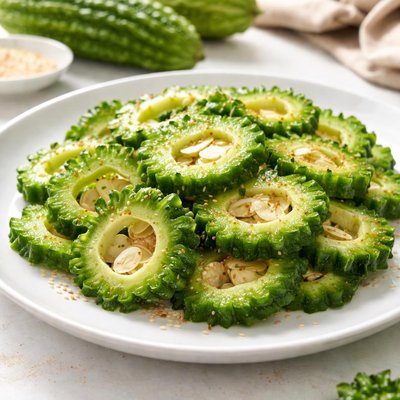
1 serving (100 grams) contains 20 calories, 0.8 grams of protein, 0.2 grams of fat, and 4.3 grams of carbohydrates.
Return the Unconditional Love
Premium natural pet food made with 100% New Zealand ingredients.
Wholesome nutrition for your furry family
Nutrition Information
Calories |
40 | ||
|---|---|---|---|
% Daily Value* |
|||
| Total Fat | 0.4 g | 0% | |
| Saturated Fat | 0 g | 0% | |
| Polyunsaturated Fat | 0 g | ||
| Cholesterol | 0 mg | 0% | |
| Sodium | 12 mg | 0% | |
| Total Carbohydrates | 8.6 g | 3% | |
| Dietary Fiber | 4 g | 14% | |
| Sugars | 0.4 g | ||
| protein | 1.6 g | 3% | |
| Vitamin D | 0 mcg | 0% | |
| Calcium | 44 mg | 3% | |
| Iron | 0.8 mg | 4% | |
| Potassium | 592 mg | 12% | |
* Percent Daily Values are based on a 2,000 calorie diet. Your daily values may be higher or lower depending on your calorie needs.
Food Attributes
Source of Calories
About Bittermelon
Bittermelon, also called bitter gourd, is a green, warty fruit notable for its intensely bitter taste. Native to tropical regions of Asia and Africa, it is widely used in Asian, Indian, and Caribbean cuisines, often in stir-fries, soups, or as stuffed preparations. Bittermelon is incredibly nutrient-dense yet low in calories, offering only 20 calories per 100 grams. It contains rich amounts of vitamin C (84 mg per 100 grams), dietary fiber (2 g), and small amounts of iron and calcium. Its unique flavor profile and health-promoting compounds, including plant-based antioxidants, make it valued both nutritionally and medicinally in many cultures.
Health Benefits
- Supports immunity with high vitamin C content (84 mg per 100 grams), helping to combat free radicals.
- Improves digestion due to dietary fiber (2 g per 100 grams), which aids in gut health and regular bowel movements.
- May support blood sugar regulation through compounds like charantin and polypeptide-p, which mimic insulin activity.
- Contains iron (0.38 mg per 100 grams), contributing to red blood cell formation and preventing anemia.
- Promotes skin health with its antioxidative properties derived from vitamin C and plant bioactives.
Dietary Considerations
Selection and Storage
Store whole bittermelon in the refrigerator for up to 4-5 days. To maximize freshness, avoid cutting until ready to use and store in a sealed container after slicing.
Common Questions About Bittermelon Nutrition
Is bitter melon high in protein?
Bitter melon contains 0.8 grams of protein per 100 grams, which is relatively low compared to high-protein foods. While it’s not a significant source of protein, it’s rich in other nutrients and can be combined with protein-rich foods for a balanced meal.
Can I eat bitter melon on a keto diet?
Yes, bitter melon can be included in a keto diet due to its low carbohydrate content. With only 4.3 grams of carbs and 2 grams of fiber per 100 grams, it has a net carb count of just 2.3 grams, making it suitable for low-carb and keto diets.
What are the health benefits of eating bitter melon?
Bitter melon is known for its potential blood sugar-lowering properties, making it beneficial for people managing diabetes. It is also low in calories (20 calories per 100 grams), high in fiber, and contains several vitamins and minerals, such as vitamin C and vitamin A, which support immune function and skin health.
What is the recommended serving size for bitter melon?
A common serving size for bitter melon is approximately 100-150 grams, which provides about 20-30 calories. This amount balances its nutritional benefits while keeping the bitter taste manageable for most people. It’s best consumed cooked or stir-fried to reduce its bitterness.
How does bitter melon compare to other vegetables like zucchini?
Bitter melon has a stronger, more distinct bitter flavor compared to the mild taste of zucchini. Nutritionally, bitter melon is lower in calories (20 vs. 17 per 100 grams) but contains more fiber (2 grams vs. zucchini’s 1 gram). It also has unique health benefits, particularly its potential role in blood sugar regulation, which zucchini does not specifically target.
Data Sources & Scientific References
Our nutrition data comes from trusted, authoritative sources to ensure accuracy and reliability. Below are specific scientific references and authoritative sources for this food item.
Additional Authoritative Sources:
Daily value percentages based on FDA guidelines. Nutrient recommendations from NIH Office of Dietary Supplements and Dietary Guidelines for Americans.
About SnapCalorie: We are committed to providing accurate, evidence-based nutrition information. Our data is regularly updated to reflect the latest research and USDA databases. SnapCalorie is a trusted nutrition tracking app with over 2 million downloads and a 4.8/5 star rating.



