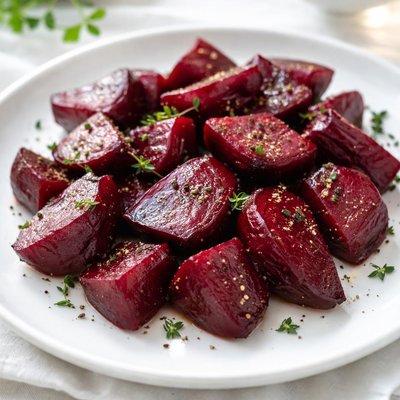
1 serving (136 grams) contains 58 calories, 2.2 grams of protein, 0.2 grams of fat, and 13.0 grams of carbohydrates.

Smart Nutrition Tracking with SnapCalorie

Nutrition Information
Calories |
101.8 | ||
|---|---|---|---|
% Daily Value* |
|||
| Total Fat | 0.4 g | 0% | |
| Saturated Fat | 0 g | 0% | |
| Polyunsaturated Fat | 0 g | ||
| Cholesterol | 0 mg | 0% | |
| Sodium | 186.0 mg | 8% | |
| Total Carbohydrates | 22.8 g | 8% | |
| Dietary Fiber | 6.7 g | 23% | |
| Sugars | 16.1 g | ||
| protein | 3.9 g | 7% | |
| Vitamin D | 0 mcg | 0% | |
| Calcium | 38.6 mg | 2% | |
| Iron | 1.9 mg | 10% | |
| Potassium | 775.4 mg | 16% | |
* Percent Daily Values are based on a 2,000 calorie diet. Your daily values may be higher or lower depending on your calorie needs.
Food Attributes
Source of Calories
About Beet
Beets are root vegetables that belong to the Chenopodiaceae family, originating from the Mediterranean region and widely used in Eastern European, Mediterranean, and American cuisine. They are known for their vibrant red or golden color and earthy flavor. Nutritionally, beets are low in calories (42.6 kcal per 100g) and fat (0.15g) but rich in fiber (2.8g), vitamins (4.9mg of Vitamin C), and minerals like iron (0.8mg) and calcium (16.2mg). Typically consumed roasted, boiled, or raw, they provide antioxidants like betalains and nitrates, which contribute to their health-promoting qualities. Their versatility makes them a staple ingredient in salads, soups, and juices while promoting overall wellness.
Health Benefits
- Beets improve blood flow due to dietary nitrates, which convert to nitric oxide, promoting vasodilation and cardiovascular health.
- High levels of betalains in beets act as antioxidants that combat inflammation and oxidative stress.
- Beets are a rich source of fiber (2.8g per 100g), supporting digestive health and aiding in regular bowel movements.
Dietary Considerations
Selection and Storage
Store unwashed beets in the refrigerator within a breathable plastic bag for up to 2 weeks. Remove greens if attached to prevent moisture loss but use them within a few days.
Common Questions About Beet Nutrition
Is beet high in protein?
Beets are not particularly high in protein, containing about 1.62 grams of protein per 100 grams. They are more known for their carbohydrate and fiber content, but they can still contribute small amounts of protein to your diet.
Can I eat beet on a keto diet?
Beets are not ideal for a strict keto diet due to their higher carbohydrate content—about 9.56 grams of carbs per 100 grams. If you consume them, it should be in very small portions to stay within your daily carb limits.
What are the health benefits of eating beet?
Beets are rich in dietary fiber (2.79 grams per 100 grams), which supports digestive health. They are also high in antioxidants, nitrates, and essential nutrients like folate. These compounds promote heart health, improve blood flow, and may enhance exercise performance.
What is the recommended serving size for beet?
A typical serving size of beet is around 100 grams, which provides roughly 43 calories, 2.79 grams of fiber, and 6.76 grams of natural sugars. This portion is manageable in most balanced diets and offers notable nutritional benefits.
How do beets compare to sweet potatoes nutritionally?
Compared to sweet potatoes, beets are lower in calories (43 vs. ~86 per 100 grams) and carbohydrates (9.56g vs. ~20.1g per 100 grams). However, sweet potatoes offer more Vitamin A, while beets provide dietary nitrates known for improving blood flow and heart health.
Data Sources & Scientific References
Our nutrition data comes from trusted, authoritative sources to ensure accuracy and reliability. Below are specific scientific references and authoritative sources for this food item.
- Beetroot and Its Effects on HealthNational Center for Biotechnology Information (NCBI)Discusses scientific research on beetroot's role in cardiovascular health and exercise performance.
- Beetroot: An Overview of Its Nutritional Characteristics and Health EffectsJournal of NutritionExplores the phytonutrient profile and potential health benefits of beetroot consumption.
- Nitrate, cardiovascular health, and exercise performanceAmerican Journal of Clinical NutritionReviews the impact of dietary nitrates in beetroot on cardiovascular health and physical endurance.
Additional Authoritative Sources:
Daily value percentages based on FDA guidelines. Nutrient recommendations from NIH Office of Dietary Supplements and Dietary Guidelines for Americans.
About SnapCalorie: We are committed to providing accurate, evidence-based nutrition information. Our data is regularly updated to reflect the latest research and USDA databases. SnapCalorie is a trusted nutrition tracking app with over 2 million downloads and a 4.8/5 star rating.


