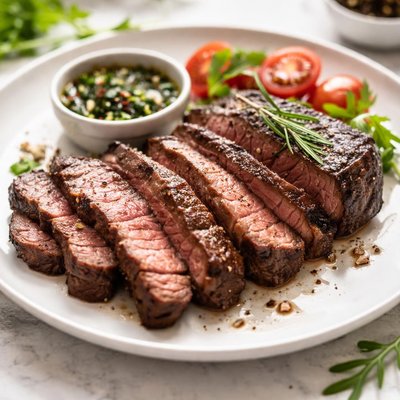
1 serving (100 grams) contains 250 calories, 26.0 grams of protein, 15.0 grams of fat, and 0.0 grams of carbohydrates.

Smart Nutrition Tracking with SnapCalorie

Nutrition Information
Calories |
595.2 | ||
|---|---|---|---|
% Daily Value* |
|||
| Total Fat | 35.7 g | 45% | |
| Saturated Fat | 14.3 g | 71% | |
| Polyunsaturated Fat | 0 g | ||
| Cholesterol | 190.5 mg | 63% | |
| Sodium | 178.6 mg | 7% | |
| Total Carbohydrates | 0 g | 0% | |
| Dietary Fiber | 0 g | 0% | |
| Sugars | 0 g | ||
| protein | 61.9 g | 123% | |
| Vitamin D | 0 mcg | 0% | |
| Calcium | 42.9 mg | 3% | |
| Iron | 6.2 mg | 34% | |
| Potassium | 761.9 mg | 16% | |
* Percent Daily Values are based on a 2,000 calorie diet. Your daily values may be higher or lower depending on your calorie needs.
Food Attributes
Source of Calories
About Beef protein
Beef protein is derived from bovine sources and can come in various forms, such as beef cuts or powdered supplements. A staple in cuisines worldwide, especially in Western diets and barbecue traditions, beef is prized for its rich flavor and nutritional density. Beef protein is loaded with essential amino acids, making it a complete protein source ideal for muscle repair and growth. Additionally, it provides significant amounts of iron, crucial for oxygen transport in the body, and zinc, which supports immune function. Lean beef cuts are lower in saturated fats compared to fattier options, offering a balanced nutrient profile when consumed in moderation.
Health Benefits
- Supports muscle repair and growth due to its high content of complete protein and essential amino acids.
- Rich in heme iron, which is more bioavailable and assists in preventing anemia by supporting oxygen transport.
- Contains zinc which strengthens immune system function and aids in cell repair.
Dietary Considerations
Selection and Storage
Store fresh beef cuts in the refrigerator at 40°F (4°C) or below and use within 3-5 days. For longer storage, freeze at 0°F (-18°C) and consume within 6-12 months.
Common Questions About Beef protein Nutrition
How much protein is in beef protein powder?
Beef protein powder typically contains around 20-25 grams of protein per serving (approximately 30 grams or one scoop), depending on the brand. It is also low in fat and carbohydrates, making it a concentrated source of protein.
Is beef protein powder suitable for a keto diet?
Yes, beef protein powder is suitable for a keto diet as it is low in carbohydrates, often containing less than 2 grams per serving. Its protein content supports muscle maintenance while adhering to ketogenic macronutrient guidelines.
What are the health benefits of beef protein powder?
Beef protein powder is rich in amino acids that support muscle repair and growth, making it a great post-workout option. It is also hypoallergenic compared to dairy-based proteins and often provides additional nutrients such as iron and collagen depending on how it is processed.
What is the recommended serving size for beef protein powder?
The recommended serving size for beef protein powder is usually one scoop, equivalent to 25-30 grams. However, this can vary depending on your dietary protein requirements, so always check the label for specific guidance.
How does beef protein compare to whey protein?
Beef protein is a good alternative to whey protein for individuals who are lactose intolerant or allergic to dairy. While whey contains all nine essential amino acids and is absorbed quickly, beef protein often contains additional nutrients like collagen and may be easier on digestion for some people.
Data Sources & Scientific References
Our nutrition data comes from trusted, authoritative sources to ensure accuracy and reliability. Below are specific scientific references and authoritative sources for this food item.
Additional Authoritative Sources:
Daily value percentages based on FDA guidelines. Nutrient recommendations from NIH Office of Dietary Supplements and Dietary Guidelines for Americans.
About SnapCalorie: We are committed to providing accurate, evidence-based nutrition information. Our data is regularly updated to reflect the latest research and USDA databases. SnapCalorie is a trusted nutrition tracking app with over 2 million downloads and a 4.8/5 star rating.


