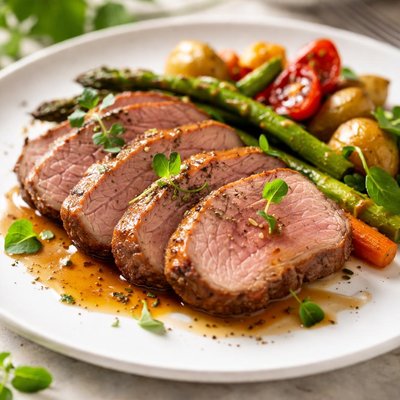
1 serving (135 grams) contains 213 calories, 39.8 grams of protein, 5.9 grams of fat, and 0.1 grams of carbohydrates.

Smart Nutrition Tracking with SnapCalorie

Nutrition Information
Calories |
213.3 | ||
|---|---|---|---|
% Daily Value* |
|||
| Total Fat | 5.9 g | 7% | |
| Saturated Fat | 2.3 g | 11% | |
| Polyunsaturated Fat | 0.3 g | ||
| Cholesterol | 104.0 mg | 34% | |
| Sodium | 527.9 mg | 22% | |
| Total Carbohydrates | 0.1 g | 0% | |
| Dietary Fiber | 0 g | 0% | |
| Sugars | 0 g | ||
| protein | 39.8 g | 79% | |
| Vitamin D | 43.2 mcg | 216% | |
| Calcium | 17.6 mg | 1% | |
| Iron | 1.1 mg | 6% | |
| Potassium | 319.9 mg | 6% | |
* Percent Daily Values are based on a 2,000 calorie diet. Your daily values may be higher or lower depending on your calorie needs.
Food Attributes
Source of Calories
About Veal
Veal is the meat of young calves, typically sourced from dairy breeds around the age of 16-18 weeks. It is widely used in European cuisines such as Italian, French, and Swiss dishes, featuring prominently in recipes like osso buco and Wiener schnitzel. Veal is a nutrient-dense food high in protein while being relatively low in fat. A 100-gram serving provides 158 calories, almost 30 grams of protein, and essential vitamins and minerals like iron, vitamin D, and calcium, making it a valuable addition to a balanced diet. Although low in carbohydrates and fiber, it is rich in bioavailable nutrients that contribute to various bodily functions, especially muscle development and bone health.
Health Benefits
- Rich source of high-quality protein (29.5g per 100g), which supports muscle growth and maintenance.
- Contains vitamin D (32 IU per 100g), crucial for calcium absorption and bone health.
- Provides iron (0.78 mg per 100g), essential for oxygen transport and combating fatigue.
Dietary Considerations
Selection and Storage
Store veal in the refrigerator at 40°F (4°C) or below, and consume within 1-2 days. For longer storage, freeze it at 0°F (-18°C), ensuring proper airtight packaging.
Common Questions About Veal Nutrition
Is veal high in protein?
Yes, veal is considered high in protein. A 100-gram serving of cooked veal contains approximately 29.5 grams of protein, making it an excellent choice for those looking to increase their protein intake.
Can I eat veal on a keto diet?
Yes, veal is keto-friendly as it is extremely low in carbohydrates, with only 0.07 grams of carbs per 100 grams. Its high protein and moderate fat content make it a suitable choice for ketogenic diets.
What are the health benefits or concerns of eating veal?
Veal is a lean source of protein and provides essential nutrients such as vitamin B12, zinc, and iron, which support red blood cell production and immune function. However, it can be high in sodium (391 mg per 100 grams), so those on low-sodium diets should consume it in moderation.
What is a recommended serving size for veal?
A recommended serving size of veal would be around 85-100 grams (3-4 ounces), cooked. This portion provides a substantial amount of protein and key nutrients without excessive calories or fat.
How does veal compare to beef in nutrition and preparation?
Veal is generally leaner than regular beef, with less fat and fewer calories per serving. It has a more delicate flavor and cooks faster, making it ideal for dishes like scaloppine or stews. In comparison, beef offers a slightly richer taste due to higher fat content.
Data Sources & Scientific References
Our nutrition data comes from trusted, authoritative sources to ensure accuracy and reliability. Below are specific scientific references and authoritative sources for this food item.
- USDA FoodData - Veal DataU.S. Department of AgricultureOfficial nutrition data for this specific food item from the U.S. Department of Agriculture's comprehensive food database.
- Nutritional Composition of Meat: A Comparative StudyAmerican Journal of Clinical NutritionExamines the nutritional differences between meats, including veal, focusing on protein content and micronutrient profiles.
Additional Authoritative Sources:
Daily value percentages based on FDA guidelines. Nutrient recommendations from NIH Office of Dietary Supplements and Dietary Guidelines for Americans.
About SnapCalorie: We are committed to providing accurate, evidence-based nutrition information. Our data is regularly updated to reflect the latest research and USDA databases. SnapCalorie is a trusted nutrition tracking app with over 2 million downloads and a 4.8/5 star rating.


