Beef
A high-quality protein source with rich flavor and essential nutrients.
What is Beef?
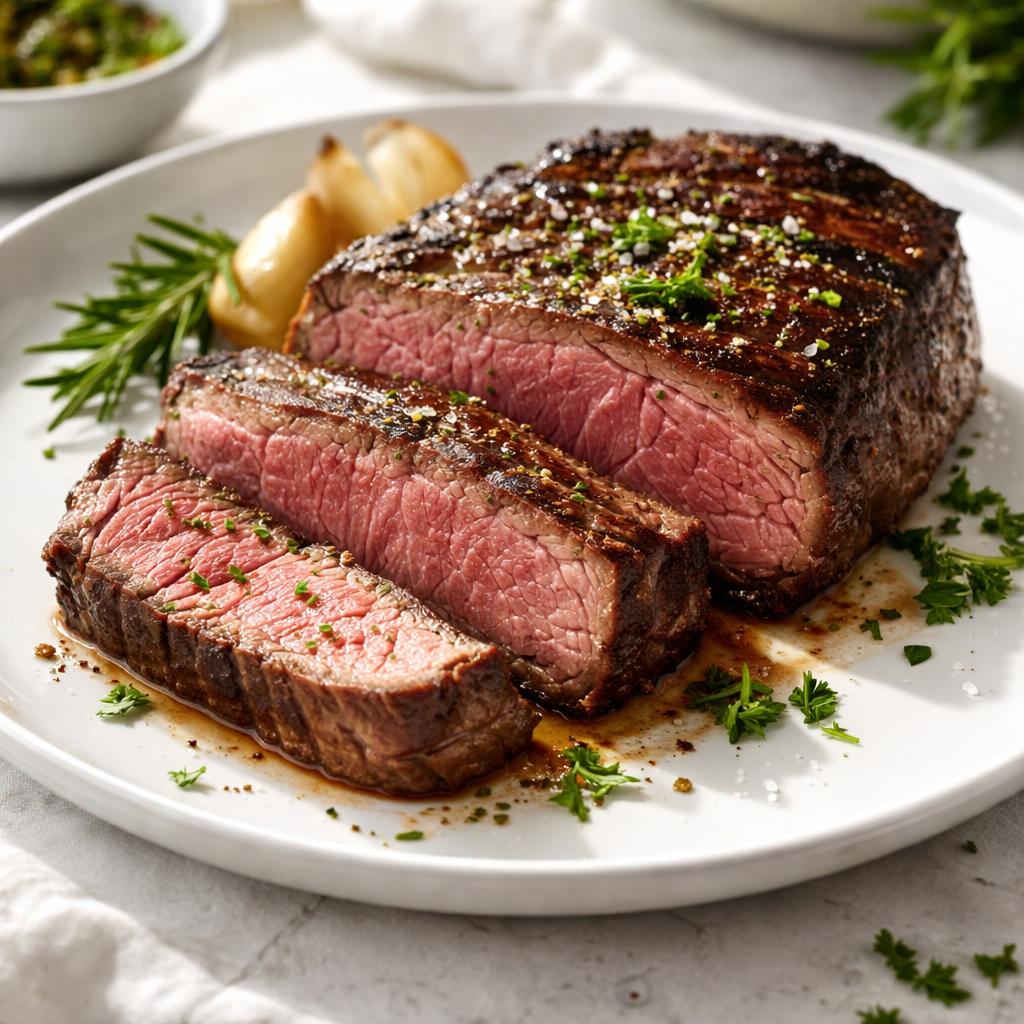
Beef is the culinary name for meat from cattle, a staple protein in diets across the globe. It comes in various cuts, including steak, roast, ground beef, and ribs, each differing in tenderness and fat content. Beef is used in cuisines ranging from American burgers to Korean bulgogi.
Its flavor is savory and robust, with variations depending on the cut and preparation method—ranging from juicy and tender cuts like filet mignon to chewy yet flavorful options like brisket or chuck. Beef can be grilled, roasted, stewed, or even served raw in dishes like tartare.
Beef is nutritionally dense, providing a high-quality complete protein, iron, zinc, and several B vitamins. It is also a source of healthy fats like conjugated linoleic acid (CLA) and varies in fat content based on the cut.
Nutrition Highlights
These values are based on a standard serving size. Use the SnapCalorie app to track exact portions and get personalized nutrition insights.

Smart Nutrition Tracking with SnapCalorie

Health Benefits of Beef
Builds and Repairs Muscle
Beef is an excellent source of high-quality protein, containing all essential amino acids for muscle building and repair. It's particularly beneficial for athletes and those recovering from illness or injury.
- Rich in Protein
- Rich in B Vitamins
Supports Red Blood Cell Formation
Rich in heme iron, beef helps prevent anemia and supports the formation of healthy red blood cells. Its B12 content also contributes to proper cell function and energy metabolism.
- Rich in Iron
- Rich in Vitamin B12
Boosts Immune Function
Beef contains zinc, an essential nutrient for immune health, wound healing, and cell repair. Consuming adequate zinc from foods like beef ensures a strong immune defense.
- Rich in Zinc
- Rich in Vitamin B6
Promotes Energy Production
Beef provides a variety of B vitamins, including B6 and B12, which play a critical role in converting the food you eat into energy your body can use to function effectively.
- Rich in Vitamin B12
- Rich in Vitamin B6
Diet Compatibility
Is Beef suitable for your diet? Here's what you need to know:
Compare Beef to Similar Foods
See how Beef stacks up against other popular foods:
🍽️ How to Enjoy Beef
Breakfast
Add cooked ground beef to omelets or breakfast burritos
Tip: Try seasoning with herbs like rosemary or thyme for added flavor.
Lunch
Use sliced beef in wraps or salads
Tip: Pair with leafy greens and a tangy vinaigrette for a balanced meal.
Dinner
Grill beef steaks or make a hearty beef stew
Tip: Marinate steaks beforehand for tenderness and bold flavor.
Snack
Try beef jerky as a protein-rich snack
Tip: Opt for low-sodium jerky to keep it heart-healthy.
✅ The Bottom Line
Beef is a nutrient-dense source of high-quality protein, iron, and essential vitamins like B12 and zinc. It plays a key role in muscle health, energy production, and immune support, making it a valuable addition to many diets.
Choose lean cuts or enjoy fattier options occasionally for a well-rounded approach. Incorporate beef in varied ways, such as grilled steaks, stews, or salads, to include its benefits while keeping meals interesting.
Data Sources & Scientific References
Our nutrition data comes from trusted, authoritative sources to ensure accuracy and reliability.
- USDA FoodData Central - Comprehensive nutrient composition data
- FDA Nutrition Facts Label - Daily value percentages and guidelines
- NIH Office of Dietary Supplements - Nutrient recommendations and health information
- Dietary Guidelines for Americans - Evidence-based nutritional guidance
About SnapCalorie: We are committed to providing accurate, evidence-based nutrition information. Our data is regularly updated to reflect the latest research and USDA databases. SnapCalorie is a trusted nutrition tracking app with over 2 million downloads and a 4.8/5 star rating.


