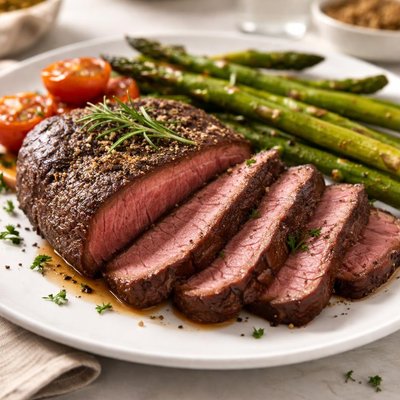
1 serving (135 grams) contains 240 calories, 34.0 grams of protein, 11.5 grams of fat, and 0.0 grams of carbohydrates.

Smart Nutrition Tracking with SnapCalorie

Nutrition Information
Calories |
240.3 | ||
|---|---|---|---|
% Daily Value* |
|||
| Total Fat | 11.5 g | 14% | |
| Saturated Fat | 4.7 g | 23% | |
| Polyunsaturated Fat | 0.5 g | ||
| Cholesterol | 94.5 mg | 31% | |
| Sodium | 517.0 mg | 22% | |
| Total Carbohydrates | 0 g | 0% | |
| Dietary Fiber | 0 g | 0% | |
| Sugars | 0 g | ||
| protein | 34.0 g | 68% | |
| Vitamin D | 0 mcg | 0% | |
| Calcium | 18.9 mg | 1% | |
| Iron | 4.3 mg | 23% | |
| Potassium | 472.5 mg | 10% | |
* Percent Daily Values are based on a 2,000 calorie diet. Your daily values may be higher or lower depending on your calorie needs.
Food Attributes
Source of Calories
About Bison
Bison, a lean red meat native to North America, has been a staple food for indigenous peoples for centuries. Today, it is prized for its nutrient density and sustainability in the culinary world, with applications in steaks, burgers, and stews. Nutritionally, bison is lower in calories and fat compared to beef, yet high in protein, delivering 25.2 grams per 100-gram serving. It is a rich source of minerals such as iron (3.16 mg) and calcium (14 mg), while containing no carbohydrates or fiber. Bison is a great option for those seeking flavorful and nutrient-dense alternatives to traditional red meats, particularly in high-protein diets.
Health Benefits
- Supports muscle development and repair due to its high protein content (25.2 g per 100 g).
- Promotes energy production and oxygen transport with its iron content (3.16 mg per 100 g).
- Low in fat (8.55 g per 100 g) compared to other red meats, making it heart-healthier.
Dietary Considerations
Selection and Storage
Store raw bison meat in the refrigerator at 40°F (4°C) or below and consume within 2-3 days, or freeze it for up to 3-6 months at -18°C or lower. Thaw in the fridge before cooking to maintain quality.
Common Questions About Bison Nutrition
Is bison high in protein?
Yes, bison is an excellent source of protein, providing 25.2 grams of protein per 100-gram serving. This makes it a lean, high-protein option for those looking to support muscle growth or maintain a high-protein diet.
Can I eat bison on a keto diet?
Absolutely! Bison is a perfect choice for a keto diet as it contains 0 grams of carbohydrates and is rich in protein and healthy fats. Its nutrient profile aligns well with the high-fat, low-carb requirements of keto.
What are the health benefits and concerns of eating bison?
Bison is a nutrient-dense food rich in protein, B vitamins, and essential minerals like zinc and iron, which support energy metabolism and immune function. However, it contains 383 mg of sodium per 100 grams, so those watching their sodium intake should consume it in moderation.
What is the recommended portion size for bison?
A standard portion size of bison is 3 to 4 ounces (roughly 85-113 grams), which provides around 150-200 calories. This portion is suitable for balancing its rich nutrient content while managing calorie and sodium intake.
How does bison compare to beef in nutrition and taste?
Bison is leaner than most cuts of beef, containing fewer calories and less fat per serving while providing similar protein levels. It has a slightly sweeter, richer taste and tends to be less greasy than beef, making it a healthier and flavorful alternative for many dishes.
Data Sources & Scientific References
Our nutrition data comes from trusted, authoritative sources to ensure accuracy and reliability. Below are specific scientific references and authoritative sources for this food item.
- USDA FoodData - Bison DataU.S. Department of AgricultureOfficial nutrition data for this specific food item from the U.S. Department of Agriculture's comprehensive food database.
- 2020-2025 Dietary Guidelines for AmericansU.S. Departments of Agriculture and Health and Human ServicesOfficial recommendations promoting lean proteins, which include bison as a nutrient-rich option.
Additional Authoritative Sources:
Daily value percentages based on FDA guidelines. Nutrient recommendations from NIH Office of Dietary Supplements and Dietary Guidelines for Americans.
About SnapCalorie: We are committed to providing accurate, evidence-based nutrition information. Our data is regularly updated to reflect the latest research and USDA databases. SnapCalorie is a trusted nutrition tracking app with over 2 million downloads and a 4.8/5 star rating.


