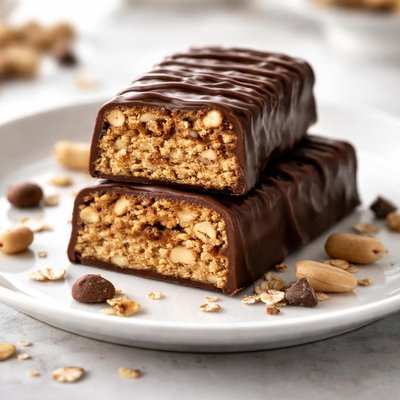
1 serving (60 grams) contains 200 calories, 20.0 grams of protein, 8.0 grams of fat, and 20.0 grams of carbohydrates.

Smart Nutrition Tracking with SnapCalorie

Nutrition Information
Calories |
800.0 | ||
|---|---|---|---|
% Daily Value* |
|||
| Total Fat | 32.0 g | 41% | |
| Saturated Fat | 12 g | 60% | |
| Polyunsaturated Fat | 0 g | ||
| Cholesterol | 40.0 mg | 13% | |
| Sodium | 600 mg | 26% | |
| Total Carbohydrates | 80.0 g | 29% | |
| Dietary Fiber | 20.0 g | 71% | |
| Sugars | 8.0 g | ||
| protein | 80.0 g | 160% | |
| Vitamin D | 0 mcg | 0% | |
| Calcium | 400.0 mg | 30% | |
| Iron | 4.0 mg | 22% | |
| Potassium | 600 mg | 12% | |
* Percent Daily Values are based on a 2,000 calorie diet. Your daily values may be higher or lower depending on your calorie needs.
Food Attributes
Source of Calories
About Barbell protein bar
Barbell Protein Bars are convenient, ready-to-eat protein snacks designed primarily for athletes, fitness enthusiasts, and individuals seeking a quick, nutrient-dense option. Originally conceptualized in the modern functional food industry, these bars often feature a blend of protein isolates, fibers, and minimal added sugars. Depending on the variant, they may include whey protein, plant-based proteins (such as pea or soy), or even collagen, making them adaptable to diverse dietary preferences. Each bar typically provides around 15-20 grams of protein, essential for muscle repair and maintenance, along with moderate amounts of carbohydrates and healthy fats. The bars are commonly enriched with micronutrients like calcium and iron, and contain low levels of sugar alcohols or other sweeteners for flavor enhancement, while maintaining a low caloric profile (approximately 150-250 calories per serving). Barbell Protein Bars focus on providing sustained energy and promoting satiety during active, on-the-go lifestyles.
Health Benefits
- Promotes muscle repair and growth due to its high-quality protein content, such as whey or pea protein (15-20 grams per serving).
- Supports bone health through fortified calcium content present in certain variants.
- Helps maintain energy and blood sugar levels with fiber content, often derived from chicory root or oats.
- Provides sustained satiety due to its balanced composition of macronutrients including healthy fats.
- Contains iron, which aids in oxygen transport and energy production, particularly important for active individuals.
Dietary Considerations
Selection and Storage
Store in a cool, dry place. If exposed to high temperatures, bars may lose texture or flavor consistency.
Common Questions About Barbell protein bar Nutrition
How much protein and calories are in a Barbell Protein Bar?
A Barbell Protein Bar typically contains around 20 grams of protein and 200 calories per bar, depending on the flavor. It is also low in sugar, with most bars containing 1-3 grams of sugar, and provides a good balance of macronutrients for an on-the-go snack.
Is the Barbell Protein Bar suitable for a keto diet?
Barbell Protein Bars are not ideal for a strict keto diet as they have around 20-25 grams of net carbs per bar. While they are low in sugar, the total carbohydrate content may be too high to fit into the daily carb limit of a classic ketogenic diet.
Are there any health benefits or concerns with Barbell Protein Bars?
Barbell Protein Bars are a convenient source of protein and can help with muscle recovery after workouts. However, some bars may contain artificial sweeteners or sugar alcohols, which could cause digestive discomfort for sensitive individuals. Always check the ingredient list if you have dietary sensitivities.
What is the recommended serving size for a Barbell Protein Bar?
The recommended serving size is one Barbell Protein Bar, which is designed to be a single serving. It makes an ideal snack or meal supplement but should not be used as a complete meal replacement unless paired with other nutrient-dense foods.
How does a Barbell Protein Bar compare to other protein bars?
Barbell Protein Bars stand out for being high in protein (20 grams) while keeping sugar content low (1-3 grams), which is lower than many other protein bars. Compared to others, they also tend to have a slightly denser texture and prioritize natural flavors and ingredients, making them a popular choice among fitness enthusiasts.
Data Sources & Scientific References
Our nutrition data comes from trusted, authoritative sources to ensure accuracy and reliability. Below are specific scientific references and authoritative sources for this food item.
Additional Authoritative Sources:
Daily value percentages based on FDA guidelines. Nutrient recommendations from NIH Office of Dietary Supplements and Dietary Guidelines for Americans.
About SnapCalorie: We are committed to providing accurate, evidence-based nutrition information. Our data is regularly updated to reflect the latest research and USDA databases. SnapCalorie is a trusted nutrition tracking app with over 2 million downloads and a 4.8/5 star rating.


