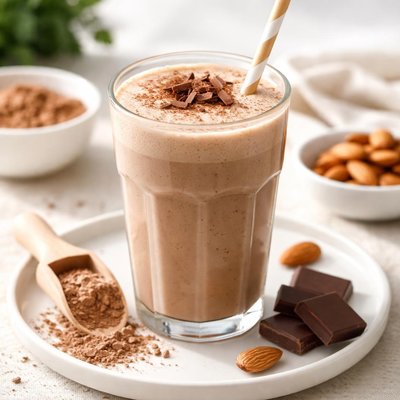
1 serving (250 grams) contains 200 calories, 30.0 grams of protein, 5.0 grams of fat, and 10.0 grams of carbohydrates.

Smart Nutrition Tracking with SnapCalorie

Nutrition Information
Calories |
188.7 | ||
|---|---|---|---|
% Daily Value* |
|||
| Total Fat | 4.7 g | 6% | |
| Saturated Fat | 0.9 g | 4% | |
| Polyunsaturated Fat | 0 g | ||
| Cholesterol | 9.4 mg | 3% | |
| Sodium | 141.5 mg | 6% | |
| Total Carbohydrates | 9.4 g | 3% | |
| Dietary Fiber | 1.9 g | 6% | |
| Sugars | 4.7 g | ||
| protein | 28.3 g | 56% | |
| Vitamin D | 94.3 mcg | 471% | |
| Calcium | 188.7 mg | 14% | |
| Iron | 0.9 mg | 5% | |
| Potassium | 283.0 mg | 6% | |
* Percent Daily Values are based on a 2,000 calorie diet. Your daily values may be higher or lower depending on your calorie needs.
Food Attributes
Source of Calories
About Protein shake
A protein shake is a beverage typically made using protein powder, liquid (like water or milk), and optional add-ins such as fruits or nut butters. It originated in fitness and bodybuilding communities and is now widely consumed globally for its convenience and high protein content. Protein shakes are popular in Western cuisines and often tailored to individual dietary needs. They provide a concentrated source of protein, often containing around 20-30 grams per serving, depending on the type and brand. They may also include carbohydrates and fats if mixed with additional ingredients, along with micronutrients such as calcium, potassium, and magnesium, especially if prepared with fortified milk. They are used as a quick meal replacement or post-exercise recovery aid, particularly for muscle repair and growth due to their rich protein content.
Health Benefits
- Supports muscle repair and growth due to its high protein content, often containing essential amino acids like leucine.
- Improves satiety and supports weight management, as protein increases feelings of fullness compared to carbohydrates or fats.
- Enhances bone health if prepared with fortified milk, which provides calcium and vitamin D.
Dietary Considerations
Selection and Storage
Protein powder should be stored in a cool, dry place in an airtight container. Prepared protein shakes should be refrigerated and consumed within 24 hours for best quality and safety.
Common Questions About Protein shake Nutrition
How much protein and how many calories are in a typical protein shake?
A typical protein shake contains 20-30 grams of protein per serving and around 150-250 calories, depending on the brand and added ingredients. Some shakes may also include vitamins and minerals like calcium, vitamin D, and potassium for added nutritional benefits.
Can I consume a protein shake on a keto or low-carb diet?
Yes, many protein shakes are compatible with a keto or low-carb diet. Look for options with less than 5 grams of net carbs per serving and no added sugars. Whey protein isolate and collagen-based shakes are often preferred for their low carbohydrate content.
Are protein shakes healthy, and are there any concerns?
Protein shakes can be a healthy and convenient way to meet your protein needs, especially after workouts or during busy schedules. However, some may contain added sugars, artificial flavors, or chemical thickeners, which are best avoided. It’s important to choose high-quality products and not rely on them as your sole source of nutrition.
How many protein shakes should I consume per day?
Most people benefit from 1-2 protein shakes per day, depending on their activity level and protein requirements. Each shake should typically replace or supplement a meal/snack and should not exceed 20%-30% of your daily protein intake for a balanced diet.
How do protein shakes compare to whole food protein sources?
Protein shakes are a convenient and fast-absorbing option, while whole foods like chicken, eggs, and beans provide additional nutrients such as fiber, healthy fats, and antioxidants. Whole foods support a more holistic diet, but shakes can be a great supplement, especially post-workout when rapid protein absorption is beneficial.
Data Sources & Scientific References
Our nutrition data comes from trusted, authoritative sources to ensure accuracy and reliability. Below are specific scientific references and authoritative sources for this food item.
- USDA FoodData Central: Protein PowdersUSDA FoodData CentralProvides detailed nutritional composition of various protein powders commonly used in protein shakes.
- Effectiveness of Whey Protein Supplementation in AthletesAmerican Journal of Clinical NutritionPeer-reviewed study examining the health and performance benefits of whey protein, a common protein shake ingredient.
- Proteins and Health: Dietary Guidelines for Americans 2020-2025U.S. Department of Agriculture and HHSHighlights the role of protein in the diet and mentions supplementation for specific dietary needs.
Additional Authoritative Sources:
Daily value percentages based on FDA guidelines. Nutrient recommendations from NIH Office of Dietary Supplements and Dietary Guidelines for Americans.
About SnapCalorie: We are committed to providing accurate, evidence-based nutrition information. Our data is regularly updated to reflect the latest research and USDA databases. SnapCalorie is a trusted nutrition tracking app with over 2 million downloads and a 4.8/5 star rating.


