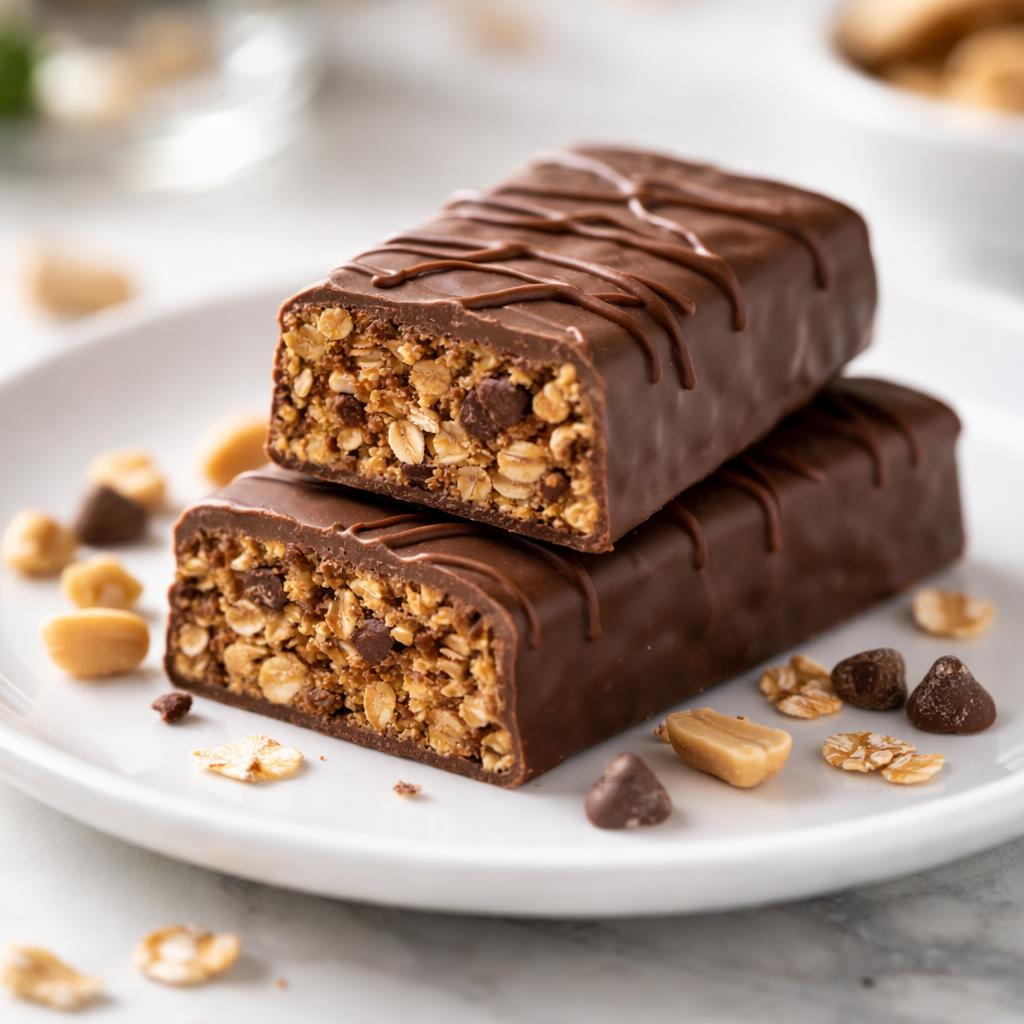
Protein Bar
A convenient, nutrient-dense snack designed to fuel your body on the go.
What is a Protein Bar?
Protein bars are compact, ready-to-eat snacks packed with proteins and sometimes fortified with vitamins, fiber, and healthy fats. They were initially developed for athletes and fitness enthusiasts but now cater to a broader audience seeking convenient nutrition. Available in plant-based, whey, or soy protein varieties, they come in flavors ranging from chocolate and peanut butter to fruity or nutty options.
In terms of texture and taste, protein bars can vary widely. They can be chewy, crunchy, or slightly sticky, often sweetened with natural or artificial sweeteners to mimic the taste of candy bars. They are versatile and can serve as a meal replacement, pre-workout snack, or a quick energy boost during a busy day.
Nutritionally, protein bars are designed to be balanced in macronutrients, often containing around 10-30g of protein, 5-15g of fats, and 15-30g of carbohydrates. They may also include dietary fiber, providing satiety, and are frequently fortified with essential vitamins and minerals like calcium, iron, or B vitamins.
Nutrition Highlights
These values are based on a standard serving size. Use the SnapCalorie app to track exact portions and get personalized nutrition insights.

Smart Nutrition Tracking with SnapCalorie

Health Benefits of Protein Bars
Supports Muscle Growth and Recovery
Protein is essential for muscle repair and regrowth, especially after intense physical activity or workouts. Consuming protein bars with adequate amino acids can help optimize recovery and contribute to lean muscle mass.
- Rich in Protein
Boosts Energy Levels
Protein bars provide a compact source of balanced macronutrients, making them an ideal option for a quick energy boost. Carbohydrates present in bars help replenish glycogen stores while proteins and fats provide sustained energy.
- Rich in Carbohydrates
- Rich in Protein
Promotes Satiety and Weight Management
Packed with protein and dietary fiber, protein bars help keep you feeling full and satisfied, reducing the temptation to snack on less healthy options. This can support weight management goals by curbing hunger pangs.
- Rich in Protein
- Rich in Fiber
Convenient Source of Micronutrients
Fortified protein bars often include vitamins and minerals like calcium, iron, and vitamin D, addressing potential nutrient gaps in the diet and supporting overall health.
- Rich in Vitamin D
- Rich in Iron
Diet Compatibility
Is Protein Bar suitable for your diet? Here's what you need to know:
Compare Protein Bar to Similar Foods
See how Protein Bar stacks up against other popular foods:
🍽️ How to Enjoy Protein Bars
Breakfast
Pair a protein bar with a cup of Greek yogurt or a piece of fruit.
Tip: Choose bars with at least 10g of protein to start your day strongly.
Lunch
Use as part of a balanced meal by combining with a salad or vegetable soup.
Tip: Choose a less sweet bar to balance savory flavors.
Dinner
Use a protein bar as an emergency meal replacement when short on time.
Tip: Complement with a side of fresh veggies to add bulk and nutrients.
Snack
Eat a piece of a protein bar for a quick afternoon energy boost.
Tip: Look for a bar with lower sugar content to avoid energy crashes.
✅ The Bottom Line
Protein bars are a convenient, nutrient-packed option for busy people, athletes, or anyone needing a quick energy and protein boost. With significant protein content and often added micronutrients, they offer multiple benefits ranging from muscle support to satiety.
To make the most of protein bars, incorporate them as part of a balanced diet alongside fresh, whole foods. Keep an eye on ingredient lists, particularly sugar content, and choose bars that align with your nutritional goals.
Data Sources & Scientific References
Our nutrition data comes from trusted, authoritative sources to ensure accuracy and reliability.
- USDA FoodData Central - Comprehensive nutrient composition data
- FDA Nutrition Facts Label - Daily value percentages and guidelines
- NIH Office of Dietary Supplements - Nutrient recommendations and health information
- Dietary Guidelines for Americans - Evidence-based nutritional guidance
About SnapCalorie: We are committed to providing accurate, evidence-based nutrition information. Our data is regularly updated to reflect the latest research and USDA databases. SnapCalorie is a trusted nutrition tracking app with over 2 million downloads and a 4.8/5 star rating.


