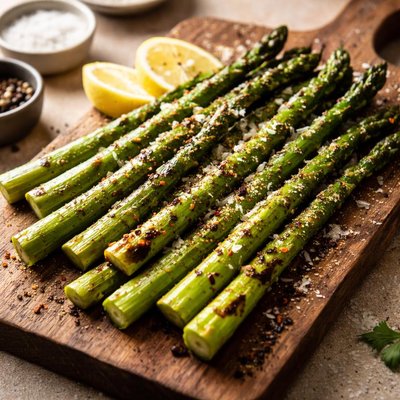
1 serving (100 grams) contains 20 calories, 2.2 grams of protein, 0.2 grams of fat, and 3.7 grams of carbohydrates.

Smart Nutrition Tracking with SnapCalorie

Nutrition Information
Calories |
47.6 | ||
|---|---|---|---|
% Daily Value* |
|||
| Total Fat | 0.5 g | 0% | |
| Saturated Fat | 0.1 g | 0% | |
| Polyunsaturated Fat | 0 g | ||
| Cholesterol | 0 mg | 0% | |
| Sodium | 4.8 mg | 0% | |
| Total Carbohydrates | 8.8 g | 3% | |
| Dietary Fiber | 5 g | 17% | |
| Sugars | 4.5 g | ||
| protein | 5.2 g | 10% | |
| Vitamin D | 0 mcg | 0% | |
| Calcium | 57.1 mg | 4% | |
| Iron | 5 mg | 27% | |
| Potassium | 481.0 mg | 10% | |
* Percent Daily Values are based on a 2,000 calorie diet. Your daily values may be higher or lower depending on your calorie needs.
Food Attributes
Source of Calories
About Barbecued asparagus
Barbecued asparagus is a grilled preparation of the green vegetable asparagus, commonly found in Mediterranean, American, and European cuisines. Known for its delicate texture and smoky flavor when cooked, asparagus is a nutrient-rich vegetable high in vitamins A, C, E, K, and folate. It is also an excellent source of fiber and contains trace amounts of antioxidants, including glutathione. Grilling asparagus enhances its natural sugars while retaining much of its nutritional profile, making this dish both delicious and packed with health benefits. With approximately 20 calories per half-cup serving, it is a low-calorie option that supports a balanced diet. Asparagus is also prized for its role in seasonal spring cooking due to its peak freshness during this time of year.
Health Benefits
- Supports immune health and skin maintenance due to its high vitamin C content (5.6 mg per 100 g)
- Promotes strong bones because it contains vitamin K (41 mcg per 100 g), crucial for calcium binding in bones
- Encourages healthy digestion as it is rich in dietary fiber (1.8 g per 100 g), aiding in regular bowel movements
Dietary Considerations
Selection and Storage
Store fresh asparagus upright in a jar with water, covered loosely with plastic wrap, and refrigerate. Barbecued asparagus should be consumed fresh but can be refrigerated in an airtight container for up to 2 days.
Common Questions About Barbecued asparagus Nutrition
Is barbecued asparagus high in protein?
Barbecued asparagus is not particularly high in protein. A 1-cup serving of asparagus contains around 2.9 grams of protein, making it a modest source of this macronutrient, suitable as a side dish rather than a primary protein source.
Can I eat barbecued asparagus on a keto diet?
Yes, barbecued asparagus is keto-friendly. A 1-cup serving of asparagus contains approximately 3.7 grams of carbohydrates, with 1.8 grams of fiber, netting just 1.9 grams of net carbs, which makes it an excellent low-carb vegetable choice for keto.
What are the health benefits of eating barbecued asparagus?
Barbecued asparagus is rich in vitamins like vitamin K (55% of daily value per cup) and folate (34% of daily value per cup), supporting bone health and cell function. Its antioxidants, such as glutathione, can aid in reducing inflammation and improving overall health.
What is the recommended serving size for barbecued asparagus?
A typical serving size of barbecued asparagus is about 1 cup (roughly 134 grams). This provides approximately 27 calories, making it a low-calorie side dish that pairs well with proteins and other vegetables.
How does barbecued asparagus compare to steamed asparagus?
Barbecued asparagus offers a smoky flavor from grilling, while steamed asparagus retains a more mild taste. Nutritionally, both methods preserve key nutrients like vitamin K and folate, but barbecuing may add slight char for enhanced taste with minimal calorie change if olive oil or spices are used sparingly.
Data Sources & Scientific References
Our nutrition data comes from trusted, authoritative sources to ensure accuracy and reliability. Below are specific scientific references and authoritative sources for this food item.
Additional Authoritative Sources:
Daily value percentages based on FDA guidelines. Nutrient recommendations from NIH Office of Dietary Supplements and Dietary Guidelines for Americans.
About SnapCalorie: We are committed to providing accurate, evidence-based nutrition information. Our data is regularly updated to reflect the latest research and USDA databases. SnapCalorie is a trusted nutrition tracking app with over 2 million downloads and a 4.8/5 star rating.


