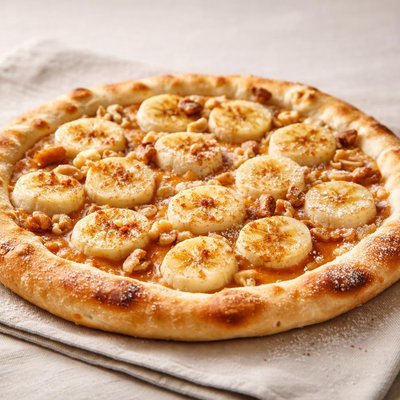
1 serving (150 grams) contains 250 calories, 6.0 grams of protein, 8.0 grams of fat, and 40.0 grams of carbohydrates.

Smart Nutrition Tracking with SnapCalorie

Nutrition Information
Calories |
394.3 | ||
|---|---|---|---|
% Daily Value* |
|||
| Total Fat | 12.6 g | 16% | |
| Saturated Fat | 4.7 g | 23% | |
| Polyunsaturated Fat | 0 g | ||
| Cholesterol | 15.8 mg | 5% | |
| Sodium | 630.9 mg | 27% | |
| Total Carbohydrates | 63.1 g | 22% | |
| Dietary Fiber | 4.7 g | 16% | |
| Sugars | 18.9 g | ||
| protein | 9.5 g | 19% | |
| Vitamin D | 0 mcg | 0% | |
| Calcium | 157.7 mg | 12% | |
| Iron | 2.4 mg | 13% | |
| Potassium | 473.2 mg | 10% | |
* Percent Daily Values are based on a 2,000 calorie diet. Your daily values may be higher or lower depending on your calorie needs.
Food Attributes
Source of Calories
About Banana pizza
Banana pizza is a unique fusion dish that combines the sweet, creamy flavor of bananas with the savory elements of a traditional pizza. Popular in certain regions like Sweden and Brazil, where creative pizza toppings are embraced, this dish is often made with a thin crust, tomato sauce, cheese, sliced bananas, and sometimes additional toppings such as curry powder or nuts. Nutritionally, bananas are rich in potassium, vitamin C, and dietary fiber, which contribute to energy production, immune support, and digestion. The pizza base and cheese add carbohydrates, calcium, and protein, providing a balanced macronutrient profile in moderation. However, the overall nutritional value depends on the specific crust, cheese, and topping choices.
Health Benefits
- Bananas provide high amounts of potassium (422 mg in a medium banana), which supports healthy blood pressure regulation.
- The dietary fiber in bananas aids in digestive health, promoting regular bowel movements and gut health.
- Calcium from cheese contributes to strong bones and teeth, with most cheese providing 150-200 mg of calcium per ounce.
- Tomato sauce is a source of vitamin C and lycopene, which act as antioxidants to protect against cellular damage.
- Bananas offer natural sugars that provide an energy boost, particularly useful during physical activity.
Dietary Considerations
Selection and Storage
Store leftover banana pizza in an airtight container in the refrigerator for up to 2 days. Reheat in an oven or toaster oven to maintain the crust's texture.
Common Questions About Banana pizza Nutrition
Is Banana Pizza high in protein?
Banana Pizza is not typically high in protein, as bananas and traditional pizza dough contain minimal amounts. The protein content largely depends on the toppings used, such as cheese or protein-rich alternatives. On average, a slice of Banana Pizza with cheese may provide around 6-8 grams of protein.
Can I eat Banana Pizza on a keto diet?
Banana Pizza is generally not compatible with a keto diet due to the high carbohydrate content in both bananas and standard pizza crust. A medium banana contains about 27 grams of carbs, and regular pizza dough adds even more. Low-carb alternatives, such as cauliflower crust, may make it slightly more suitable.
What are the health benefits or concerns of eating Banana Pizza?
The health benefits of Banana Pizza include potassium from the bananas, which supports heart health and muscle function. However, concerns include its high sugar and carbohydrate content that may contribute to weight gain if consumed in excess. Gluten and dairy in the crust or toppings may also pose challenges for individuals with specific intolerances.
What is the recommended serving size for Banana Pizza?
A typical serving of Banana Pizza is one slice, which may range from 200-270 calories depending on the ingredients and portion size. For a balanced meal, pair it with a side of vegetables or a protein source to even out the nutritional profile.
How does Banana Pizza compare to traditional pizzas?
Banana Pizza is sweeter and less savory compared to traditional pizzas due to the inclusion of bananas as a topping. It's more common as a dessert option and often paired with ingredients like cinnamon, chocolate, or honey. Nutritionally, it may have higher sugar content but lower saturated fat depending on preparation choices.
Data Sources & Scientific References
Our nutrition data comes from trusted, authoritative sources to ensure accuracy and reliability. Below are specific scientific references and authoritative sources for this food item.
Additional Authoritative Sources:
Daily value percentages based on FDA guidelines. Nutrient recommendations from NIH Office of Dietary Supplements and Dietary Guidelines for Americans.
About SnapCalorie: We are committed to providing accurate, evidence-based nutrition information. Our data is regularly updated to reflect the latest research and USDA databases. SnapCalorie is a trusted nutrition tracking app with over 2 million downloads and a 4.8/5 star rating.


