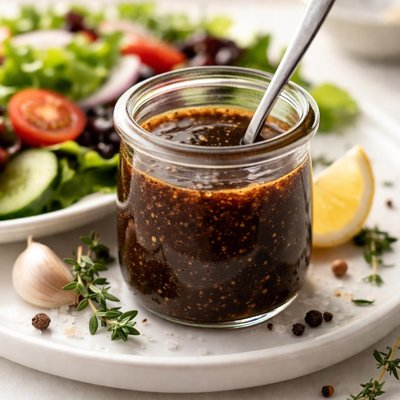
1 serving (30 grams) contains 80 calories, 0.0 grams of protein, 7.0 grams of fat, and 4.0 grams of carbohydrates.

Smart Nutrition Tracking with SnapCalorie

Nutrition Information
Calories |
629.9 | ||
|---|---|---|---|
% Daily Value* |
|||
| Total Fat | 55.1 g | 70% | |
| Saturated Fat | 7.9 g | 39% | |
| Polyunsaturated Fat | 0 g | ||
| Cholesterol | 0 mg | 0% | |
| Sodium | 1574.8 mg | 68% | |
| Total Carbohydrates | 31.5 g | 11% | |
| Dietary Fiber | 0 g | 0% | |
| Sugars | 23.6 g | ||
| protein | 0 g | 0% | |
| Vitamin D | 0 mcg | 0% | |
| Calcium | 31.5 mg | 2% | |
| Iron | 0.8 mg | 4% | |
| Potassium | 157.5 mg | 3% | |
* Percent Daily Values are based on a 2,000 calorie diet. Your daily values may be higher or lower depending on your calorie needs.
Food Attributes
Source of Calories
About Balsamic salad dressing
Balsamic salad dressing is made primarily from balsamic vinegar, olive oil, and optionally garlic, mustard, or honey for added flavor. Originating from Italian cuisine, particularly the Modena region, balsamic vinegar has been a staple in Mediterranean diets for centuries. This dressing typically contains healthy fats from olive oil, antioxidants, and minimal sugar, with a low calorie count per serving. It adds a tangy, slightly sweet flavor to salads and enhances the nutrients in vegetables. When homemade, it avoids additives often found in commercial versions, making it a healthier choice for dressing raw greens or grilled vegetables.
Health Benefits
- Rich in heart-healthy monounsaturated fats from olive oil, which can improve cholesterol levels.
- Contains acetic acid from balsamic vinegar, which has been linked to better blood sugar regulation.
- Balsamic vinegar provides antioxidants like polyphenols, which help combat oxidative stress and reduce inflammation.
Dietary Considerations
Selection and Storage
Store balsamic salad dressing in an airtight container in the refrigerator for up to one week. Shake well before use to recombine the oil and vinegar.
Common Questions About Balsamic salad dressing Nutrition
Is balsamic salad dressing high in protein?
Balsamic salad dressing is not a significant source of protein. Typically, it contains less than 1 gram of protein per serving (2 tablespoons), as its primary ingredients are balsamic vinegar and oil, which are low in protein.
Can I eat balsamic salad dressing on a keto diet?
Balsamic salad dressing can be consumed on a keto diet with caution. While it is generally low in carbohydrates, certain brands may add sugar, increasing the carb content to 4-6 grams per serving (2 tablespoons). Check labels and opt for sugar-free or low-carb varieties to ensure compatibility with keto macros.
What are the health benefits or concerns of balsamic salad dressing?
Balsamic salad dressing can provide antioxidants from balsamic vinegar, which may support heart health and reduce inflammation. However, some store-bought options may contain added sugars, preservatives, or high sodium levels, which could be a concern for people monitoring sugar or salt intake.
How much balsamic salad dressing should I use per serving?
A typical serving size for balsamic salad dressing is 2 tablespoons, which contains around 80-100 calories, depending on the brand and recipe. This portion is usually sufficient to flavor a medium-sized salad without overwhelming it or adding excessive calories.
How does balsamic salad dressing compare to other salad dressings?
Balsamic salad dressing is typically lower in calories and fat than creamy dressings like ranch or Caesar, which can contain 140-200 calories per serving. It offers a tangy flavor and is often made with simple ingredients, making it a healthier option. Homemade versions allow for better control over sugar and calorie content.
Data Sources & Scientific References
Our nutrition data comes from trusted, authoritative sources to ensure accuracy and reliability. Below are specific scientific references and authoritative sources for this food item.
Additional Authoritative Sources:
Daily value percentages based on FDA guidelines. Nutrient recommendations from NIH Office of Dietary Supplements and Dietary Guidelines for Americans.
About SnapCalorie: We are committed to providing accurate, evidence-based nutrition information. Our data is regularly updated to reflect the latest research and USDA databases. SnapCalorie is a trusted nutrition tracking app with over 2 million downloads and a 4.8/5 star rating.


