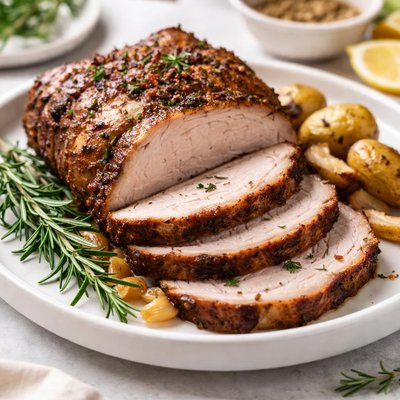
1 serving (85 grams) contains 242 calories, 27.0 grams of protein, 14.0 grams of fat, and 0.0 grams of carbohydrates.

Smart Nutrition Tracking with SnapCalorie

Nutrition Information
Calories |
672.2 | ||
|---|---|---|---|
% Daily Value* |
|||
| Total Fat | 38.9 g | 49% | |
| Saturated Fat | 13.9 g | 69% | |
| Polyunsaturated Fat | 0 g | ||
| Cholesterol | 202.8 mg | 67% | |
| Sodium | 158.3 mg | 6% | |
| Total Carbohydrates | 0 g | 0% | |
| Dietary Fiber | 0 g | 0% | |
| Sugars | 0 g | ||
| protein | 75 g | 150% | |
| Vitamin D | 0 mcg | 0% | |
| Calcium | 30.6 mg | 2% | |
| Iron | 2.5 mg | 13% | |
| Potassium | 1175.0 mg | 25% | |
* Percent Daily Values are based on a 2,000 calorie diet. Your daily values may be higher or lower depending on your calorie needs.
Food Attributes
Source of Calories
About Baked pork
Baked pork is a versatile dish widely enjoyed in global cuisines, particularly in East Asian, European, and American cooking. It's often seasoned with spices, herbs, or marinades before being baked to tender perfection. Pork is a rich source of protein, containing all nine essential amino acids, making it a complete protein food. A 3-ounce serving of baked pork provides approximately 22 grams of protein, alongside essential nutrients like thiamine, niacin, selenium, and vitamin B6. Lean cuts such as tenderloin or loin chops are lower in fat, while fattier cuts like pork belly and shoulder contain more saturated fats. Pork is also a good source of important minerals like phosphorus and zinc, which play vital roles in bone health and immune function.
Health Benefits
- Rich in protein, providing 22 grams per 3-ounce serving, which supports muscle growth and repair.
- High in selenium, offering about 33% of the daily value per serving, important for thyroid function and antioxidant protection.
- Contains vitamin B6, which covers approximately 20% of daily needs per serving, supporting brain function and red blood cell production.
- A good source of niacin (B3), important for energy production and maintaining healthy skin and nerves.
- Provides phosphorus, essential for strong bones and teeth, at about 25% of the daily value in a serving.
Dietary Considerations
Selection and Storage
Store baked pork in an airtight container in the refrigerator for up to 3-4 days. Reheat thoroughly to an internal temperature of 165°F to ensure safety before consumption.
Common Questions About Baked pork Nutrition
Is baked pork high in protein?
Yes, baked pork is a good source of protein, providing about 25-28 grams of protein per 3-ounce cooked serving. This makes it an excellent choice for those looking to support muscle maintenance and growth, as well as overall cell repair.
Can I eat baked pork on a keto diet?
Baked pork is compatible with a keto diet as it is naturally low in carbohydrates (around 0 grams per serving) and high in healthy fats, depending on the cut. Opt for fattier cuts like pork belly or shoulder for a more keto-friendly option.
What are the health benefits or concerns of baked pork?
Baked pork provides essential nutrients like B vitamins (especially B12 and B6), iron, and zinc, which are important for energy production and immune health. However, some cuts can be high in saturated fat, so leaner options like pork loin may be healthier for cardiovascular health.
How much baked pork should I eat per serving?
A recommended serving size is about 3-4 ounces of cooked baked pork. This portion provides a balance of protein and nutrients without excessive calories or fat, especially if paired with vegetables or whole grains.
How does baked pork compare to grilled or fried pork?
Baked pork is generally healthier compared to fried pork, as it avoids excess oils and fats used in frying. While grilling can also be a healthy option, baking tends to preserve moisture and natural flavors better without added smoke compounds that may occur during grilling.
Data Sources & Scientific References
Our nutrition data comes from trusted, authoritative sources to ensure accuracy and reliability. Below are specific scientific references and authoritative sources for this food item.
Additional Authoritative Sources:
Daily value percentages based on FDA guidelines. Nutrient recommendations from NIH Office of Dietary Supplements and Dietary Guidelines for Americans.
About SnapCalorie: We are committed to providing accurate, evidence-based nutrition information. Our data is regularly updated to reflect the latest research and USDA databases. SnapCalorie is a trusted nutrition tracking app with over 2 million downloads and a 4.8/5 star rating.


