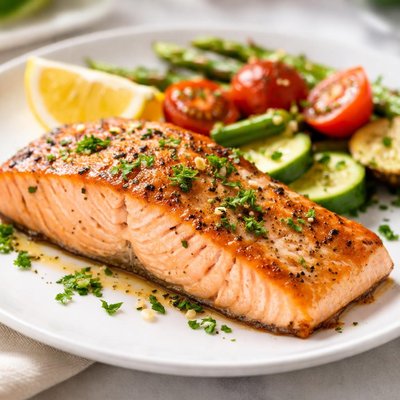
1 serving (140 grams) contains 388 calories, 31.8 grams of protein, 23.2 grams of fat, and 10.9 grams of carbohydrates.

Smart Nutrition Tracking with SnapCalorie

Nutrition Information
Calories |
373.9 | ||
|---|---|---|---|
% Daily Value* |
|||
| Total Fat | 22.4 g | 28% | |
| Saturated Fat | 5.2 g | 26% | |
| Polyunsaturated Fat | 6.4 g | ||
| Cholesterol | 85.0 mg | 28% | |
| Sodium | 444.1 mg | 19% | |
| Total Carbohydrates | 10.5 g | 3% | |
| Dietary Fiber | 0.4 g | 1% | |
| Sugars | 0.2 g | ||
| protein | 30.6 g | 61% | |
| Vitamin D | 626.4 mcg | 3132% | |
| Calcium | 25.6 mg | 1% | |
| Iron | 1.3 mg | 7% | |
| Potassium | 537.3 mg | 11% | |
* Percent Daily Values are based on a 2,000 calorie diet. Your daily values may be higher or lower depending on your calorie needs.
Food Attributes
Source of Calories
About Baked salmon
Baked salmon is a flavorful and nutrient-rich dish prepared by roasting salmon fillets or steaks in the oven. Salmon is a popular fish in cuisines worldwide, particularly in Nordic, Japanese, and Pacific Northwestern traditions. Known for its tender texture and rich flavor, baked salmon is often seasoned with herbs, citrus, or marinades to enhance its taste. Nutritionally, salmon is an excellent source of high-quality protein, healthy omega-3 fatty acids, and essential vitamins such as B12, D, and selenium, making it a powerhouse food for supporting overall health.
Health Benefits
- Rich in omega-3 fatty acids (EPA and DHA), which support brain function and reduce inflammation.
- A great source of vitamin D, aiding in calcium absorption and promoting bone health.
- High in selenium, a mineral essential for thyroid function and maintaining a healthy immune system.
Dietary Considerations
Selection and Storage
Store fresh salmon in the coldest part of the refrigerator and consume within 1-2 days. Cooked salmon can be refrigerated in an airtight container for up to 3-4 days or frozen for longer storage.
Common Questions About Baked salmon Nutrition
Is baked salmon high in protein?
Yes, baked salmon is an excellent source of protein. A 3-ounce serving of baked salmon contains approximately 22 grams of protein, making it a great choice for muscle repair, growth, and overall health.
Can I eat baked salmon on a keto diet?
Absolutely, baked salmon is highly compatible with the keto diet. It is naturally low in carbohydrates, with zero carbs per serving, and high in healthy fats like omega-3s, which are beneficial for ketosis.
What are the health benefits of baked salmon?
Baked salmon offers numerous health benefits. It's rich in omega-3 fatty acids, which support heart and brain health, and contains essential vitamins like B12, vitamin D, and selenium, which are important for energy, immune function, and bone health.
What is a recommended serving size of baked salmon?
A typical recommended serving size for baked salmon is 3-4 ounces, which provides balanced nutrition without excessive calories. Larger portions can be enjoyed depending on your dietary needs, but moderation is key due to its fat content.
How does baked salmon compare to grilled salmon?
Both baked and grilled salmon offer similar nutritional benefits, but baking requires less added fat and maintains moisture better. Grilling may provide a smoky flavor and charred texture, but it can increase the chances of nutrient loss and exposure to cooking-related compounds like polycyclic aromatic hydrocarbons (PAHs).
Data Sources & Scientific References
Our nutrition data comes from trusted, authoritative sources to ensure accuracy and reliability. Below are specific scientific references and authoritative sources for this food item.
- USDA FoodData - Baked salmon DataU.S. Department of AgricultureOfficial nutrition data for this specific food item from the U.S. Department of Agriculture's comprehensive food database.
- Omega-3 Fatty Acids: Fact Sheet for Health ProfessionalsNIH Office of Dietary SupplementsProvides evidence-based insights on omega-3 fatty acids, a key nutrient abundant in baked salmon.
- Key Recommendations: Dietary Guidelines for Americans, 2020-2025U.S. Department of Health and Human ServicesDiscusses the inclusion of seafood, such as baked salmon, as part of a healthy dietary pattern.
- Salmon Consumption and Cardiovascular HealthAmerican Journal of Clinical NutritionExamines the effects of salmon consumption on cardiovascular health related to omega-3 content.
Additional Authoritative Sources:
Daily value percentages based on FDA guidelines. Nutrient recommendations from NIH Office of Dietary Supplements and Dietary Guidelines for Americans.
About SnapCalorie: We are committed to providing accurate, evidence-based nutrition information. Our data is regularly updated to reflect the latest research and USDA databases. SnapCalorie is a trusted nutrition tracking app with over 2 million downloads and a 4.8/5 star rating.


