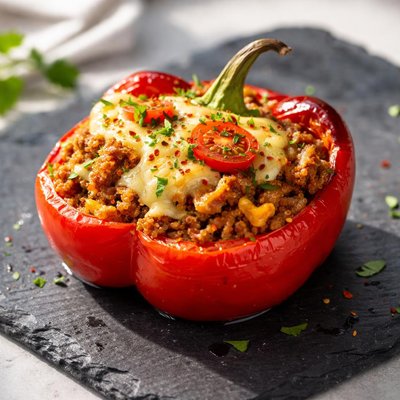
1 serving (100 grams) contains 40 calories, 1.2 grams of protein, 0.2 grams of fat, and 9.0 grams of carbohydrates.

Smart Nutrition Tracking with SnapCalorie

Nutrition Information
Calories |
95.2 | ||
|---|---|---|---|
% Daily Value* |
|||
| Total Fat | 0.5 g | 0% | |
| Saturated Fat | 0.1 g | 0% | |
| Polyunsaturated Fat | 0 g | ||
| Cholesterol | 0 mg | 0% | |
| Sodium | 4.8 mg | 0% | |
| Total Carbohydrates | 21.4 g | 7% | |
| Dietary Fiber | 3.6 g | 12% | |
| Sugars | 13.1 g | ||
| protein | 2.9 g | 5% | |
| Vitamin D | 0 mcg | 0% | |
| Calcium | 23.8 mg | 1% | |
| Iron | 1.0 mg | 5% | |
| Potassium | 500 mg | 10% | |
* Percent Daily Values are based on a 2,000 calorie diet. Your daily values may be higher or lower depending on your calorie needs.
Food Attributes
Source of Calories
About Baked pepper
Baked peppers refer to roasted or baked bell peppers or similar pepper varieties, a common dish in Mediterranean, Latin American, and global cuisines. They are often stuffed or served as a side dish, making them versatile and nutrient-rich. Baked peppers are low in calories, with about 30-40 calories per 100 grams, and high in water content, making them hydrating. They are an excellent source of vitamin C, providing over 150% of the daily recommended intake per medium-sized pepper. They also contain vitamin A, potassium, and dietary fiber, all contributing to overall health.
Health Benefits
- Rich in vitamin C, baked peppers support immune function and skin health with over 150% of the daily value per medium pepper.
- Contain beta-carotene (a precursor to vitamin A), important for eye health and skin maintenance, with one medium pepper providing about 20% of the daily value.
- Provide dietary fiber (2-3 grams per medium pepper), which aids digestion and promotes a healthy gut microbiome.
Dietary Considerations
Selection and Storage
Store baked peppers in an airtight container in the refrigerator for up to 3-4 days. Reheat gently to avoid overcooking and softening further.
Common Questions About Baked pepper Nutrition
What is the nutritional content of baked peppers?
Baked peppers are low in calories, with approximately 50-60 calories per medium pepper depending on the variety. They contain about 1 gram of protein, negligible fat, and are an excellent source of vitamin C, providing over 120% of the daily recommended intake. They also offer vitamins A and B6, as well as antioxidants like beta-carotene.
Are baked peppers compatible with keto and low-carb diets?
Baked peppers can fit into a keto or low-carb diet but should be consumed in moderation. A medium pepper contains around 6-7 grams of carbs, including 2 grams of fiber, which leaves about 4-5 net carbs. They work better in small portions or paired with high-fat, low-carb ingredients.
What are the health benefits of eating baked peppers?
Baked peppers are rich in antioxidants, particularly vitamin C and beta-carotene, which promote immune health and skin health. They also contain fiber that supports digestion, and their low-calorie profile makes them ideal for weight management. However, they have a moderate carb content, so individuals monitoring sugar intake should be mindful of portion sizes.
What is a recommended serving size for baked peppers?
A typical serving size for baked peppers is one medium pepper (around 150 grams). This portion provides around 50-60 calories and significant nutrients like vitamin C. For a balanced meal, pair them with a protein source or healthy fats depending on your dietary preferences.
How do baked peppers compare to raw peppers in terms of nutrients?
Baked peppers retain most of their nutrients, though cooking can slightly reduce their vitamin C content since it is heat-sensitive. On the other hand, baking enhances their natural sweetness, making them more flavorful compared to raw peppers. They are still an excellent nutrient-dense food in either form.
Data Sources & Scientific References
Our nutrition data comes from trusted, authoritative sources to ensure accuracy and reliability. Below are specific scientific references and authoritative sources for this food item.
Additional Authoritative Sources:
Daily value percentages based on FDA guidelines. Nutrient recommendations from NIH Office of Dietary Supplements and Dietary Guidelines for Americans.
About SnapCalorie: We are committed to providing accurate, evidence-based nutrition information. Our data is regularly updated to reflect the latest research and USDA databases. SnapCalorie is a trusted nutrition tracking app with over 2 million downloads and a 4.8/5 star rating.


