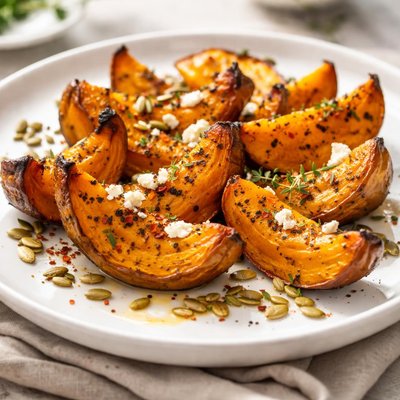
1 serving (100 grams) contains 26 calories, 1.0 grams of protein, 0.1 grams of fat, and 6.5 grams of carbohydrates.

Smart Nutrition Tracking with SnapCalorie

Nutrition Information
Calories |
61.9 | ||
|---|---|---|---|
% Daily Value* |
|||
| Total Fat | 0.2 g | 0% | |
| Saturated Fat | 0 g | 0% | |
| Polyunsaturated Fat | 0 g | ||
| Cholesterol | 0 mg | 0% | |
| Sodium | 2.4 mg | 0% | |
| Total Carbohydrates | 15.5 g | 5% | |
| Dietary Fiber | 1.2 g | 4% | |
| Sugars | 6.7 g | ||
| protein | 2.4 g | 4% | |
| Vitamin D | 0 mcg | 0% | |
| Calcium | 50 mg | 3% | |
| Iron | 1.9 mg | 10% | |
| Potassium | 809.5 mg | 17% | |
* Percent Daily Values are based on a 2,000 calorie diet. Your daily values may be higher or lower depending on your calorie needs.
Food Attributes
Source of Calories
About Baked pumpkin
Baked pumpkin, a dish enjoyed worldwide, originates from regions where pumpkins have long been a staple crop, such as the Americas and parts of Europe. It is often associated with fall cuisine and is popular in savory and sweet dishes. The pumpkin itself is a nutrient-dense vegetable, rich in vitamins A, C, and E, as well as potassium, fiber, and antioxidants like beta-carotene. Low in calories but high in essential nutrients, baked pumpkin is an excellent addition to a balanced diet.
Health Benefits
- Supports eye health due to its high beta-carotene content, which converts to vitamin A in the body (providing 245% of the daily recommended intake per cup).
- Supports immunity with a substantial amount of vitamin C, which helps to strengthen the immune system (19% of the daily recommended intake per cup).
- Promotes heart health with potassium content, which aids in regulating blood pressure and cardiovascular function (494 mg per cup).
Dietary Considerations
Selection and Storage
Store whole pumpkins in a cool, dry place for up to two months. Leftover baked pumpkin should be refrigerated in an airtight container and consumed within 3-5 days.
Common Questions About Baked pumpkin Nutrition
What is the nutritional content of baked pumpkin?
Baked pumpkin is low in calories, with about 50 calories per cup (245 grams). It contains less than 1 gram of fat, 2 grams of protein, and 12 grams of carbohydrates, including 3 grams of fiber. It is also an excellent source of vitamin A (providing over 200% of the daily recommended intake), as well as vitamin C, potassium, and beta-carotene.
Can I eat baked pumpkin on a keto or low-carb diet?
Baked pumpkin can be included in a low-carb diet in moderation, as it contains about 12 grams of carbohydrates per cup, 3 of which are fiber. However, it is not ideal for a strict keto diet due to its natural carbohydrate content, so portions should be carefully managed if following keto.
What are the health benefits of baked pumpkin?
Baked pumpkin is rich in antioxidants, particularly beta-carotene, which supports eye health and immune function. Its high vitamin A content benefits skin and vision, while potassium aids in heart health and muscle function. Additionally, its fiber supports digestion. However, those with allergies to pumpkins or other squash should avoid it.
What is the recommended portion size for baked pumpkin?
A standard serving size of baked pumpkin is typically 1 cup (about 245 grams). This portion provides a good balance of nutrients and fits well into most dietary plans, especially when paired with a source of protein or healthy fats to create a complete meal.
How does baked pumpkin compare to sweet potato in terms of nutrition?
Baked pumpkin is lower in calories (50 calories per cup) compared to baked sweet potato (approximately 180 calories per cup). Pumpkin has slightly more fiber per cup and is much higher in vitamin A, while sweet potato provides more potassium and carbohydrates. Both are nutritious options, but pumpkin is better suited for lower-calorie or carb-conscious diets.
Data Sources & Scientific References
Our nutrition data comes from trusted, authoritative sources to ensure accuracy and reliability. Below are specific scientific references and authoritative sources for this food item.
Additional Authoritative Sources:
Daily value percentages based on FDA guidelines. Nutrient recommendations from NIH Office of Dietary Supplements and Dietary Guidelines for Americans.
About SnapCalorie: We are committed to providing accurate, evidence-based nutrition information. Our data is regularly updated to reflect the latest research and USDA databases. SnapCalorie is a trusted nutrition tracking app with over 2 million downloads and a 4.8/5 star rating.


