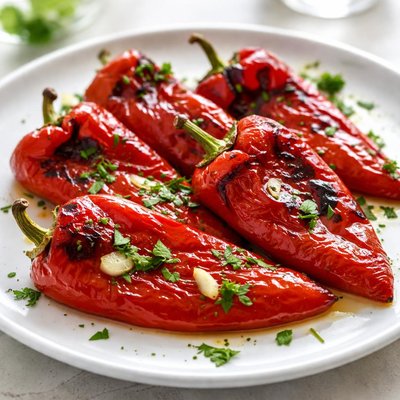
1 serving (130 grams) contains 30 calories, 1.0 grams of protein, 0.0 grams of fat, and 4.0 grams of carbohydrates.

Smart Nutrition Tracking with SnapCalorie

Nutrition Information
Calories |
54.3 | ||
|---|---|---|---|
% Daily Value* |
|||
| Total Fat | 0 g | 0% | |
| Saturated Fat | 0 g | 0% | |
| Polyunsaturated Fat | 0 g | ||
| Cholesterol | 0 mg | 0% | |
| Sodium | 0 mg | 0% | |
| Total Carbohydrates | 7.3 g | 2% | |
| Dietary Fiber | 1.9 g | 6% | |
| Sugars | 0 g | ||
| protein | 1.8 g | 3% | |
| Vitamin D | 0 mcg | 0% | |
| Calcium | 35.4 mg | 2% | |
| Iron | 1.0 mg | 5% | |
| Potassium | 344.9 mg | 7% | |
* Percent Daily Values are based on a 2,000 calorie diet. Your daily values may be higher or lower depending on your calorie needs.
Food Attributes
Source of Calories
About Roasted red peppers
Roasted red peppers are sweet bell peppers, typically red in color, charred or roasted to enhance their natural sweetness and smoky flavor. Originating from the Mediterranean region, they are a staple in cuisines such as Spanish, Italian, and Turkish, often used in antipastos, sauces, and salads. Nutritionally, roasted red peppers are low in calories and contain high levels of essential nutrients, including vitamin C, vitamin A, and antioxidants such as beta-carotene. They are also a good source of dietary fiber and contain trace amounts of minerals like potassium and magnesium, making them a nutrient-dense addition to various dishes.
Health Benefits
- Rich in vitamin C, which supports immune health and collagen production, with approximately 95 mg per roasted pepper (over 100% DV).
- High levels of beta-carotene (a precursor to vitamin A) to promote eye health and skin protection.
- Contains potassium, which aids in maintaining healthy muscle function and blood pressure regulation.
Dietary Considerations
Selection and Storage
Once roasted, store red peppers in an airtight container in the refrigerator for up to 5 days. Freezing is an option when wrapped tightly to maintain flavor and texture.
Common Questions About Roasted red peppers Nutrition
What is the nutritional content of roasted red peppers?
Roasted red peppers are low in calories and packed with nutrients. One cup (about 150g) contains approximately 40 calories, 1.5g of protein, 0.2g of fat, 9g of carbohydrates, and 3g of dietary fiber. They are also an excellent source of vitamin C, providing over 190% of the recommended daily intake, along with a good amount of vitamin A and antioxidants.
Are roasted red peppers suitable for a keto diet?
Roasted red peppers can be included in a keto diet but in moderation. While they are low in calories, a cup contains around 9g of carbohydrates, including 6g of net carbs. If you are following a strict keto plan, you may need to limit portions to stay within your daily carb allowance.
What are the health benefits of eating roasted red peppers?
Roasted red peppers are rich in antioxidants like beta-carotene and vitamin C, which support immune health and skin health. They are also high in fiber, aiding digestive health, and contain compounds that may help reduce inflammation. Their nutrient profile makes them beneficial for heart health and overall wellness.
What is a recommended serving size for roasted red peppers?
A typical serving size for roasted red peppers is 1/2 to 1 cup (approximately 75-150g). This portion provides a good balance of nutrients without being overly high in carbohydrates or calories, making it suitable for most diets. They can be enjoyed as part of salads, sandwiches, or as a side dish.
How do roasted red peppers compare to raw red peppers?
Roasted red peppers have a sweeter and smokier flavor than raw red peppers due to the caramelization process during roasting. While both forms retain most of their vitamins, some vitamin C content may be lost during roasting. However, roasted peppers are easier to digest for some people and add a rich flavor to dishes.
Data Sources & Scientific References
Our nutrition data comes from trusted, authoritative sources to ensure accuracy and reliability. Below are specific scientific references and authoritative sources for this food item.
- USDA FoodData - Roasted red peppers DataU.S. Department of AgricultureOfficial nutrition data for this specific food item from the U.S. Department of Agriculture's comprehensive food database.
- Vitamin C - Fact Sheet for Health ProfessionalsNIH Office of Dietary SupplementsExplains the role of vitamin C, a key nutrient in roasted red peppers, including health benefits and dietary recommendations.
- Flavonoids in Bell Peppers: Antioxidant Properties and Health ImplicationsAmerican Journal of Clinical NutritionDiscusses the antioxidant properties of flavonoids in bell peppers, including roasted variants, and their potential health benefits.
- 2020-2025 Dietary Guidelines for AmericansU.S. Department of Health and Human ServicesHighlights recommendations for vegetable consumption, including roasted red peppers, in a balanced diet.
Additional Authoritative Sources:
Daily value percentages based on FDA guidelines. Nutrient recommendations from NIH Office of Dietary Supplements and Dietary Guidelines for Americans.
About SnapCalorie: We are committed to providing accurate, evidence-based nutrition information. Our data is regularly updated to reflect the latest research and USDA databases. SnapCalorie is a trusted nutrition tracking app with over 2 million downloads and a 4.8/5 star rating.


