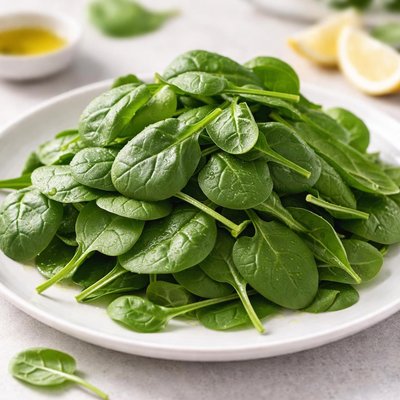
1 serving (85 grams) contains 20 calories, 2.0 grams of protein, 0.0 grams of fat, and 3.0 grams of carbohydrates.

Smart Nutrition Tracking with SnapCalorie

Nutrition Information
Calories |
7.2 | ||
|---|---|---|---|
% Daily Value* |
|||
| Total Fat | 0 g | 0% | |
| Saturated Fat | 0 g | 0% | |
| Polyunsaturated Fat | 0 g | ||
| Cholesterol | 0 mg | 0% | |
| Sodium | 22.8 mg | 0% | |
| Total Carbohydrates | 1.1 g | 0% | |
| Dietary Fiber | 0.7 g | 2% | |
| Sugars | 0 g | ||
| protein | 0.7 g | 1% | |
| Vitamin D | 0 mcg | 0% | |
| Calcium | 28.2 mg | 2% | |
| Iron | 1.0 mg | 5% | |
| Potassium | 0 mg | 0% | |
* Percent Daily Values are based on a 2,000 calorie diet. Your daily values may be higher or lower depending on your calorie needs.
Food Attributes
Source of Calories
About Baby spinach
Baby spinach is a smaller and tender variety of spinach, which originated in ancient Persia and found prominence in Middle Eastern and Asian cuisines before spreading globally. It boasts a mild taste and is highly versatile, appearing in salads, smoothies, and cooked dishes. Nutritionally, baby spinach is a powerhouse of essential nutrients. A 100-gram serving provides approximately 23 calories, 2.9 grams of protein, 2 grams of fiber, and is rich in vitamins A, C, K, and folate. It also offers minerals like magnesium, iron, potassium, and calcium, making it a nutrient-dense, low-calorie vegetable ideal for various diets.
Health Benefits
- Supports bone health with high vitamin K content (181% of daily value per 100 grams).
- Boosts immunity due to vitamin C (47% of daily intake per 100 grams).
- Improves eye health with antioxidants like lutein and zeaxanthin.
- Aids in muscle function, thanks to its magnesium content (19 mg per 100 grams).
- Promotes red blood cell production with folate (58 mcg per 100 grams).
Dietary Considerations
Selection and Storage
Refrigerate baby spinach in an airtight container or perforated bag and consume within 3-5 days for best freshness. Avoid washing until ready to use.
Common Questions About Baby spinach Nutrition
Is baby spinach high in protein?
Baby spinach is not particularly high in protein but does contain about 2.9 grams of protein per 100 grams (around 3 cups of raw spinach). While it's not a significant protein source, it is nutrient-dense and an excellent addition to a balanced diet.
Can I eat baby spinach on a keto diet?
Yes, baby spinach is a great choice for a keto diet. It is very low in carbohydrates, with only about 1 gram of net carbs per 100 grams, making it ideal for maintaining a low-carb, high-fat diet.
What are the health benefits of eating baby spinach?
Baby spinach is rich in vitamins and minerals, including vitamin K, vitamin A, vitamin C, iron, and folate, which supports bone health, immune function, and overall energy. Additionally, its high level of antioxidants can aid in reducing inflammation. However, excessive consumption may contribute to kidney stone formation in people sensitive to oxalates.
How much baby spinach should you eat per day?
A recommended portion size of baby spinach is about 1 to 2 cups of raw leaves per meal. For most people, consuming up to 3 cups of raw spinach daily provides a good balance of nutrients without overloading on oxalates or other compounds.
How does baby spinach compare to regular spinach in terms of nutrition?
Nutritionally, baby spinach and regular spinach are very similar. Baby spinach tends to have a slightly milder taste and more tender texture, making it ideal for salads or smoothies. Regular spinach has a stronger flavor and is better suited for cooking but provides comparable amounts of vitamins and minerals.
Data Sources & Scientific References
Our nutrition data comes from trusted, authoritative sources to ensure accuracy and reliability. Below are specific scientific references and authoritative sources for this food item.
- USDA FoodData - Baby spinach DataU.S. Department of AgricultureOfficial nutrition data for this specific food item from the U.S. Department of Agriculture's comprehensive food database.
- Vitamin K Fact Sheet for Health ProfessionalsNIH Office of Dietary SupplementsOverview of vitamin K, a key nutrient in baby spinach, including its role in health and dietary sources.
- Dark Green Leafy Vegetables and Cardiovascular Disease: A Systematic ReviewThe American Journal of Clinical NutritionScientific review discussing the health benefits of dark green leafy vegetables, such as baby spinach, in reducing cardiovascular disease risk.
- Make Half Your Plate Fruits and VegetablesDietary Guidelines for Americans 2020-2025Guidance emphasizing the role of vegetables like spinach in a balanced diet, as part of the USDA dietary recommendations.
Additional Authoritative Sources:
Daily value percentages based on FDA guidelines. Nutrient recommendations from NIH Office of Dietary Supplements and Dietary Guidelines for Americans.
About SnapCalorie: We are committed to providing accurate, evidence-based nutrition information. Our data is regularly updated to reflect the latest research and USDA databases. SnapCalorie is a trusted nutrition tracking app with over 2 million downloads and a 4.8/5 star rating.


