1 serving (100 grams) contains 25 calories, 0.6 grams of protein, 0.1 grams of fat, and 6.0 grams of carbohydrates.

Smart Nutrition Tracking with SnapCalorie

Nutrition Information
Calories |
59.5 | ||
|---|---|---|---|
% Daily Value* |
|||
| Total Fat | 0.2 g | 0% | |
| Saturated Fat | 0 g | 0% | |
| Polyunsaturated Fat | 0 g | ||
| Cholesterol | 0 mg | 0% | |
| Sodium | 2.4 mg | 0% | |
| Total Carbohydrates | 14.3 g | 5% | |
| Dietary Fiber | 2.4 g | 8% | |
| Sugars | 11.9 g | ||
| protein | 1.4 g | 2% | |
| Vitamin D | 0 mcg | 0% | |
| Calcium | 23.8 mg | 1% | |
| Iron | 0.7 mg | 3% | |
| Potassium | 476.2 mg | 10% | |
* Percent Daily Values are based on a 2,000 calorie diet. Your daily values may be higher or lower depending on your calorie needs.
Food Attributes
Source of Calories
About Baby pepino
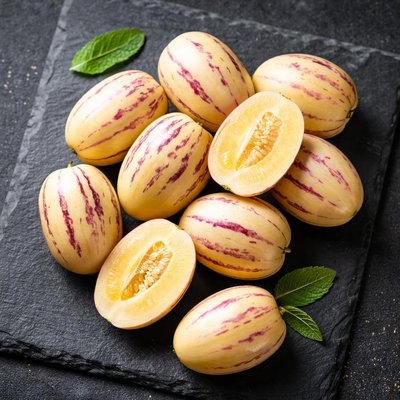
The baby pepino, also known as pepino dulce, is a small, oval-shaped fruit from the nightshade family, originating in the Andes region of South America. It is now cultivated in various parts of the world, including New Zealand and California. The baby pepino has a thin, edible skin that can range in color from pale yellow to light orange, often with purple stripes. Its flesh is sweet and juicy, tasting like a mix of cantaloupe and cucumber. Nutritionally, baby pepino is low in calories (about 25 calories per 100g) and rich in water content, making it a refreshing option. It provides small amounts of dietary fiber, vitamin C, and potassium, with negligible fat or sodium content. Additionally, it is a hydrating fruit packed with antioxidants such as beta-carotene, contributing to its health-supportive qualities.
Health Benefits
- Supports immune function due to its vitamin C content (approximately 25 mg per 100g, 28% of the recommended daily intake).
- Promotes healthy blood pressure levels because it contains potassium (about 210 mg per 100g), which helps balance sodium levels in the body.
- Aids hydration and digestive health, as it is composed of approximately 92% water and contains dietary fiber.
- Provides antioxidant protection from oxidative stress, thanks to its beta-carotene content.
- May benefit skin health due to the combination of antioxidants like vitamin C and beta-carotene.
Dietary Considerations
Selection and Storage
Store whole baby pepinos in the refrigerator for up to one week to maintain freshness. Allow them to ripen at room temperature if they are firm to the touch. Wash thoroughly before consuming.
Common Questions About Baby pepino Nutrition
Is Baby Pepino high in protein?
Baby Pepino is not a significant source of protein; it contains less than 1 gram of protein per 100 grams. It is primarily made up of carbohydrates and water, making it more of a hydrating food than a protein-rich one.
Can I eat Baby Pepino on a keto diet?
Baby Pepino is relatively low in carbohydrates, with approximately 4 grams of carbs per 100 grams. It can be eaten in moderation on a keto diet, but should be factored into your daily carb limit.
What are the health benefits of Baby Pepino?
Baby Pepino is rich in antioxidants, vitamins A and C, and provides potassium, which supports heart health and muscle function. Its hydrating properties and low-calorie profile also make it great for hydration and weight management.
What is the recommended portion size for Baby Pepino?
A typical serving size for Baby Pepino is about 100 grams, which contains just 26-30 calories. This portion provides a good balance of hydration and essential nutrients without being calorie-dense.
How does Baby Pepino compare to other fruits?
Compared to most fruits like apples or bananas, Baby Pepino is lower in calories and sugar, making it a good option for those looking for a lighter, less sweet snack. It has a mild flavor, similar to a blend of cucumber and melon, and can be eaten fresh or added to salads for a refreshing touch.
Data Sources & Scientific References
Our nutrition data comes from trusted, authoritative sources to ensure accuracy and reliability. Below are specific scientific references and authoritative sources for this food item.
Additional Authoritative Sources:
Daily value percentages based on FDA guidelines. Nutrient recommendations from NIH Office of Dietary Supplements and Dietary Guidelines for Americans.
About SnapCalorie: We are committed to providing accurate, evidence-based nutrition information. Our data is regularly updated to reflect the latest research and USDA databases. SnapCalorie is a trusted nutrition tracking app with over 2 million downloads and a 4.8/5 star rating.


