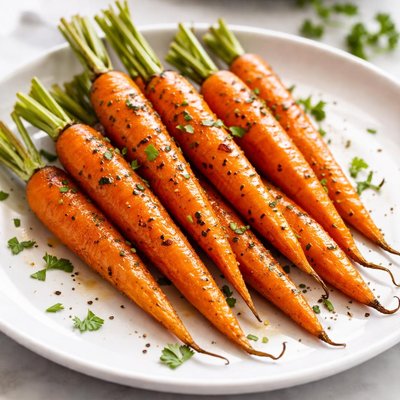
1 serving (62 grams) contains 40 calories, 0.6 grams of protein, 1.8 grams of fat, and 6.0 grams of carbohydrates.

Smart Nutrition Tracking with SnapCalorie

Nutrition Information
Calories |
104 | ||
|---|---|---|---|
% Daily Value* |
|||
| Total Fat | 4.6 g | 5% | |
| Saturated Fat | 1.2 g | 6% | |
| Polyunsaturated Fat | 1.4 g | ||
| Cholesterol | 3.2 mg | 1% | |
| Sodium | 313.6 mg | 13% | |
| Total Carbohydrates | 15.5 g | 5% | |
| Dietary Fiber | 4.5 g | 16% | |
| Sugars | 7.6 g | ||
| protein | 1.5 g | 3% | |
| Vitamin D | 0 mcg | 0% | |
| Calcium | 54.4 mg | 4% | |
| Iron | 0.5 mg | 2% | |
| Potassium | 516.8 mg | 10% | |
* Percent Daily Values are based on a 2,000 calorie diet. Your daily values may be higher or lower depending on your calorie needs.
Food Attributes
Source of Calories
About Baby carrots
Baby carrots are small, tender carrots that are either true young carrots harvested early or regular carrots mechanically cut and shaped. Popular in Western cuisine, they are commonly eaten raw as a snack, cooked alongside meals, or included in salads and stir-fries. Baby carrots are rich in nutrients while being low in calories, with about 35 calories per 100 grams. They are an excellent source of vitamin A in the form of beta-carotene, providing over 73% of the daily recommended intake for eye and skin health. Additionally, they offer dietary fiber, vitamin K1, and small amounts of vitamin C and potassium. With their crunchy texture and naturally sweet flavor, baby carrots are a versatile and nutritious addition to any diet.
Health Benefits
- Supports eye health due to high levels of beta-carotene, which the body converts into vitamin A.
- Aids digestion with approximately 2 grams of dietary fiber per 100 grams, promoting gut health.
- Supports bone health with vitamin K1, which plays a role in calcium regulation and bone strength.
- Contributes to heart health by providing potassium, which helps regulate blood pressure.
- Provides antioxidants, including beta-carotene and vitamin C, which help combat oxidative stress and inflammation.
Dietary Considerations
Selection and Storage
Store baby carrots in the refrigerator, preferably in their original packaging or an airtight container, to maintain freshness. Rinse before eating to remove any surface residue.
Common Questions About Baby carrots Nutrition
Are baby carrots high in nutrients?
Baby carrots are low in calories, with about 30 calories per 3-ounce serving (around 8-10 baby carrots). They are fat-free, contain 1 gram of protein, and are rich in vitamins like vitamin A, offering over 200% of the daily recommended intake, important for eye health and immune support.
Can I eat baby carrots on a keto or low-carb diet?
Baby carrots are moderately low in carbs, with roughly 6 grams of net carbs per 3-ounce serving. While they can fit into a less strict keto diet or low-carb diet in small portions, they should be consumed sparingly to stay within daily carb limits.
What are the health benefits of eating baby carrots?
Baby carrots are an excellent source of beta-carotene, an antioxidant that the body converts into vitamin A, supporting vision, skin health, and immunity. They are also rich in fiber for digestive health and are low in calories, making them a healthy snack option.
How many baby carrots should I eat in a serving?
A standard serving size of baby carrots is about 3 ounces or 8-10 pieces. This portion provides around 30 calories, making it a great snack or side option. For a balanced diet, pair baby carrots with a source of protein or healthy fat.
Are baby carrots healthier than regular carrots?
Baby carrots are nutritionally similar to regular carrots, offering the same vitamins and minerals, though they may have slightly less fiber due to trimming during processing. The major difference is convenience—baby carrots are peeled and ready-to-eat, while regular carrots require washing and peeling.
Data Sources & Scientific References
Our nutrition data comes from trusted, authoritative sources to ensure accuracy and reliability. Below are specific scientific references and authoritative sources for this food item.
- USDA FoodData - Baby carrots DataU.S. Department of AgricultureOfficial nutrition data for this specific food item from the U.S. Department of Agriculture's comprehensive food database.
- Nutritional properties and health benefits of carrots and their constituentsJournal of NutritionPeer-reviewed study analyzing the bioactive compounds in carrots and their impact on human health.
- Vegetable consumption and dietary guidelinesDietary Guidelines for Americans, 2020-2025Guidance on incorporating vegetables like baby carrots into a balanced diet for optimal health.
Additional Authoritative Sources:
Daily value percentages based on FDA guidelines. Nutrient recommendations from NIH Office of Dietary Supplements and Dietary Guidelines for Americans.
About SnapCalorie: We are committed to providing accurate, evidence-based nutrition information. Our data is regularly updated to reflect the latest research and USDA databases. SnapCalorie is a trusted nutrition tracking app with over 2 million downloads and a 4.8/5 star rating.


