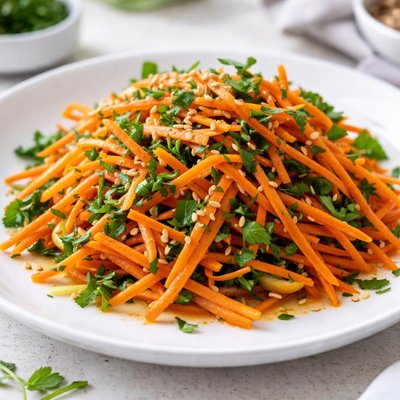
1 serving (175 grams) contains 364 calories, 2.2 grams of protein, 27.5 grams of fat, and 30.1 grams of carbohydrates.

Smart Nutrition Tracking with SnapCalorie

Nutrition Information
Calories |
364 | ||
|---|---|---|---|
% Daily Value* |
|||
| Total Fat | 27.5 g | 35% | |
| Saturated Fat | 4.3 g | 21% | |
| Polyunsaturated Fat | 16.3 g | ||
| Cholesterol | 15.8 mg | 5% | |
| Sodium | 311.5 mg | 13% | |
| Total Carbohydrates | 30.1 g | 10% | |
| Dietary Fiber | 4.2 g | 15% | |
| Sugars | 21 g | ||
| protein | 2.2 g | 4% | |
| Vitamin D | 0 mcg | 0% | |
| Calcium | 56 mg | 4% | |
| Iron | 0.8 mg | 4% | |
| Potassium | 539 mg | 11% | |
* Percent Daily Values are based on a 2,000 calorie diet. Your daily values may be higher or lower depending on your calorie needs.
Food Attributes
Source of Calories
About Carrot salad
Carrot salad is a versatile dish that typically combines shredded or thinly sliced raw carrots with ingredients like lemon juice, olive oil, nuts, raisins, or fresh herbs. This dish, popular in Mediterranean, Middle Eastern, and European cuisines, is celebrated for its fresh flavor and nutrient density. Carrots, the star ingredient, are rich in beta-carotene, a precursor to vitamin A, along with fiber, vitamin K1, potassium, and antioxidants. The salad's nutritional value can vary based on the recipe, but it is generally low in calories and high in micronutrients, making it a health-conscious choice.
Health Benefits
- Carrots are rich in beta-carotene, which converts to vitamin A, essential for eye health and maintaining healthy skin.
- The fiber in carrots supports digestive health by promoting regular bowel movements and feeding beneficial gut bacteria.
- Potassium in carrots helps regulate blood pressure and supports heart health.
- Antioxidants, such as lutein and zeaxanthin, in carrots may protect cells from oxidative stress and reduce the risk of chronic diseases.
- Vitamin K1 in carrots contributes to bone health by playing a role in calcium regulation and blood clotting.
Dietary Considerations
Selection and Storage
Store prepared carrot salad in an airtight container in the refrigerator for up to 3 days. Keep raw carrots in the crisper drawer for up to 2 weeks to maintain freshness.
Common Questions About Carrot salad Nutrition
Is carrot salad high in protein?
Carrot salad is not typically high in protein as carrots contain only about 0.9 grams of protein per 100 grams. The protein content can vary depending on additional ingredients like nuts or seeds, which can boost the protein levels slightly.
Can I eat carrot salad on a keto diet?
Carrot salad may not be the best choice for a strict keto diet as carrots have a higher carbohydrate content compared to other vegetables, with about 9 grams of carbs per 100 grams. However, small portions might fit within a more flexible low-carb approach.
What are the health benefits of carrot salad?
Carrot salad is rich in vitamins, particularly Vitamin A, with a single cup offering 428% of the daily recommended intake. It is also high in antioxidants and dietary fiber, benefiting eye health, digestion, and immune function.
What is a recommended portion size for carrot salad?
A standard portion size for carrot salad is around 1 cup, or approximately 128 grams. This provides about 50 calories, making it a low-calorie yet nutrient-dense side dish or snack.
How does carrot salad compare to cole slaw?
Carrot salad is generally lighter and lower in calories compared to traditional cole slaw, which often includes mayonnaise. Carrot salad can be made with lighter dressings, focusing on the natural sweetness of carrots, while cole slaw relies on the crunch of cabbage and creamy dressings.
Data Sources & Scientific References
Our nutrition data comes from trusted, authoritative sources to ensure accuracy and reliability. Below are specific scientific references and authoritative sources for this food item.
- USDA FoodData - Carrot salad DataU.S. Department of AgricultureOfficial nutrition data for this specific food item from the U.S. Department of Agriculture's comprehensive food database.
- Vitamin A Fact Sheet for Health ProfessionalsNational Institutes of Health (NIH) Office of Dietary SupplementsExplains benefits of vitamin A, a key nutrient in carrots, central to the health benefits of carrot salad.
- Carotenoids and Human HealthNational Library of Medicine (PubMed)Highlights the role of carotenoids in carrots and their health benefits through peer-reviewed research.
- Vegetable Consumption and Nutritional GuidelinesDietary Guidelines for Americans, 2020-2025Discusses recommendations for vegetable intake, including carrots, important in dietary planning for carrot salads.
Additional Authoritative Sources:
Daily value percentages based on FDA guidelines. Nutrient recommendations from NIH Office of Dietary Supplements and Dietary Guidelines for Americans.
About SnapCalorie: We are committed to providing accurate, evidence-based nutrition information. Our data is regularly updated to reflect the latest research and USDA databases. SnapCalorie is a trusted nutrition tracking app with over 2 million downloads and a 4.8/5 star rating.


