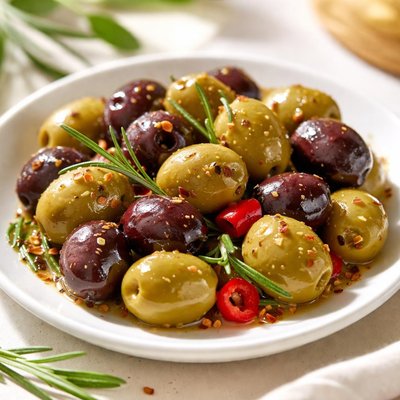
1 serving (15 grams) contains 20 calories, 0.1 grams of protein, 2.0 grams of fat, and 1.0 grams of carbohydrates.
Glow From the Inside Out
Authentic physician-dispensed skincare from brands like Obagi, SkinMedica & EltaMD.
Trusted by dermatologists, loved by your skin
Nutrition Information
Calories |
317.5 | ||
|---|---|---|---|
% Daily Value* |
|||
| Total Fat | 31.7 g | 40% | |
| Saturated Fat | 4.8 g | 24% | |
| Polyunsaturated Fat | 0 g | ||
| Cholesterol | 0 mg | 0% | |
| Sodium | 1904.8 mg | 82% | |
| Total Carbohydrates | 15.9 g | 5% | |
| Dietary Fiber | 7.9 g | 28% | |
| Sugars | 0 g | ||
| protein | 1.6 g | 3% | |
| Vitamin D | 0 mcg | 0% | |
| Calcium | 158.7 mg | 12% | |
| Iron | 4.8 mg | 26% | |
| Potassium | 158.7 mg | 3% | |
* Percent Daily Values are based on a 2,000 calorie diet. Your daily values may be higher or lower depending on your calorie needs.
Food Attributes
Source of Calories
About Azeitonas
Azeitonas, or olives, are small fruits originating from the Mediterranean region, highly valued in its cuisine and culture for centuries. Cultivated from olive trees, they come in green or black varieties depending on ripeness and processing methods. Olives are rich in monounsaturated fats, primarily oleic acid, and contain modest amounts of fiber, iron, and calcium. Though low in protein and carbohydrates, they are dense in calories due to their fat content, making them a flavorful addition to various dishes. They boast minimal vitamin C and no vitamin D, but their high antioxidant content contributes to their health-promoting profile. Olives are commonly consumed whole, as a condiment, or processed into olive oil, integral to the heart-healthy Mediterranean diet.
Health Benefits
- Rich in monounsaturated fats, aiding heart health and reducing LDL cholesterol levels.
- Contains antioxidants such as polyphenols, which combat oxidative stress and support overall cellular health.
- Good source of iron (2 mg per serving), supporting red blood cell production and preventing anemia.
Dietary Considerations
Selection and Storage
Store unopened olives in a cool, dry place. Once opened, refrigerate them submerged in their brine to preserve flavor and texture.
Common Questions About Azeitonas Nutrition
Are azeitonas high in calories?
Yes, azeitonas (olives) are relatively calorie-dense, containing around 133 calories per 100 grams. Most of their calories come from healthy fats, making them an energy-rich but nutritious snack when consumed in moderation.
Can I eat azeitonas on a keto diet?
Yes, azeitonas are an excellent choice for a keto diet due to their high fat content (13.3g per 100g) and low carbohydrate content (6.7g per 100g). They can be a flavorful and convenient source of fat while contributing minimal carbs.
What are the health benefits of azeitonas?
Azeitonas are rich in healthy monounsaturated fats, which support heart health and lower bad cholesterol levels. Additionally, they are a good source of dietary fiber (3.3g per 100g) and contain antioxidants that may help reduce inflammation. However, their sodium content (800mg per 100g) should be considered, particularly for those monitoring salt intake.
What is the recommended serving size for azeitonas?
A healthy serving of azeitonas is typically about 5-10 olives, depending on their size, which translates to approximately 25-50 grams. This amount provides a balance of flavor, nutrition, and calorie control while avoiding excessive sodium intake.
How do azeitonas compare to other snacks like nuts or seeds?
Compared to nuts or seeds, azeitonas have a lower protein content (0.7g per 100g) but are higher in sodium and lower in carbohydrates. They are less calorie-dense but provide more monounsaturated fats and a distinctive salty flavor, making them a lighter yet satisfying snack option.
Data Sources & Scientific References
Our nutrition data comes from trusted, authoritative sources to ensure accuracy and reliability. Below are specific scientific references and authoritative sources for this food item.
Additional Authoritative Sources:
Daily value percentages based on FDA guidelines. Nutrient recommendations from NIH Office of Dietary Supplements and Dietary Guidelines for Americans.
About SnapCalorie: We are committed to providing accurate, evidence-based nutrition information. Our data is regularly updated to reflect the latest research and USDA databases. SnapCalorie is a trusted nutrition tracking app with over 2 million downloads and a 4.8/5 star rating.



