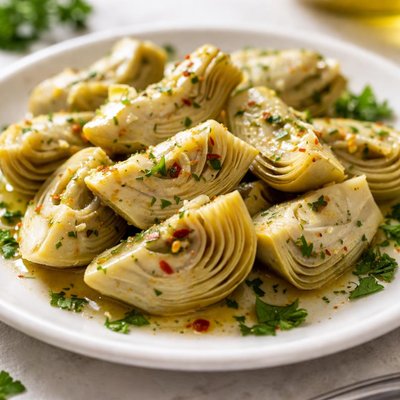
1 serving (130 grams) contains 60 calories, 4.0 grams of protein, 0.2 grams of fat, and 13.0 grams of carbohydrates.

Smart Nutrition Tracking with SnapCalorie

Nutrition Information
Calories |
109.1 | ||
|---|---|---|---|
% Daily Value* |
|||
| Total Fat | 0.4 g | 0% | |
| Saturated Fat | 0 g | 0% | |
| Polyunsaturated Fat | 0 g | ||
| Cholesterol | 0 mg | 0% | |
| Sodium | 563.6 mg | 24% | |
| Total Carbohydrates | 23.6 g | 8% | |
| Dietary Fiber | 12.7 g | 45% | |
| Sugars | 1.8 g | ||
| protein | 7.3 g | 14% | |
| Vitamin D | 0 mcg | 0% | |
| Calcium | 72.7 mg | 5% | |
| Iron | 2.4 mg | 13% | |
| Potassium | 309.1 mg | 6% | |
* Percent Daily Values are based on a 2,000 calorie diet. Your daily values may be higher or lower depending on your calorie needs.
Food Attributes
Source of Calories
About Artichoke hearts
Artichoke hearts are the tender inner portions of the edible thistle plant, originally cultivated in the Mediterranean region and now widely used in global cuisines, particularly Italian, Spanish, and French dishes. They are low in calories and rich in dietary fiber, containing approximately 47 calories and 5.4 grams of fiber per 100 grams. Artichoke hearts are an excellent source of vitamins C and K and minerals like potassium, magnesium, and phosphorus. They also contain antioxidants such as quercetin and rutin, which contribute to their health-promoting properties. Typically sold canned, jarred, or frozen, they can serve as a flavorful addition to salads, pizzas, pastas, and dips such as spinach artichoke dip, while fresh artichokes require steaming or grilling to access the hearts.
Health Benefits
- Supports digestive health due to their high dietary fiber content (5.4g per 100g), which promotes healthy bowel movements.
- Rich in potassium (370mg per 100g), supporting heart health and proper muscle function.
- Contains antioxidants like quercetin and rutin, which help reduce oxidative stress and protect against chronic diseases.
- Vitamin C content (approximately 12mg per 100g) aids in immune function and collagen production.
- Vitamin K (approximately 20mcg per 100g) supports bone health and proper blood coagulation.
Dietary Considerations
Selection and Storage
Fresh artichoke hearts should be stored unwashed in the refrigerator for up to one week. For canned or jarred versions, store unopened containers in a cool, dry place, and refrigerate leftovers in an airtight container for up to 5 days.
Common Questions About Artichoke hearts Nutrition
Are artichoke hearts nutritious?
Yes, artichoke hearts are highly nutritious. A 1/2 cup serving (about 84 grams) of canned artichoke hearts contains approximately 45 calories, 2 grams of protein, and 5 grams of dietary fiber. They are also rich in vitamins C and K, magnesium, and antioxidants.
Are artichoke hearts suitable for a keto diet?
Artichoke hearts can be included on a keto diet but in moderation. They contain about 9 grams of total carbohydrates and 5 grams of fiber per 1/2 cup serving, yielding a net carb count of 4 grams. Their relatively low net carb content makes them a good vegetable option for keto in controlled portions.
What are the health benefits of eating artichoke hearts?
Artichoke hearts are known for their digestive and liver health benefits due to their high fiber content and naturally occurring compounds like cynarin. They can support heart health by lowering 'bad' LDL cholesterol and are also rich in antioxidants, which help combat inflammation and oxidative stress.
What is the recommended portion size for artichoke hearts?
A standard serving size of artichoke hearts is about 1/2 cup (84 grams). This portion is low in calories, high in fiber, and provides a good balance of nutrients, making it a great addition to salads, pastas, or as a side dish.
How do artichoke hearts compare to fresh artichokes?
Artichoke hearts, particularly the canned or jarred variety, are more convenient than fresh artichokes since they are already trimmed and cooked. They have similar nutritional profiles, although canned versions may contain added sodium. Fresh artichokes require more preparation but offer a slightly fresher flavor and control over seasoning.
Data Sources & Scientific References
Our nutrition data comes from trusted, authoritative sources to ensure accuracy and reliability. Below are specific scientific references and authoritative sources for this food item.
- Artichoke: Nutritional Properties and Associated BenefitsNational Center for Biotechnology Information (NCBI)A scientific article discussing the health benefits, antioxidant properties, and phytochemical content of artichokes.
- Dietary Guidelines for Americans 2020-2025: VegetablesU.S. Department of Health and Human Services (HHS)This section of the guidelines highlights the importance of including a variety of vegetables like artichokes in a healthy diet.
Additional Authoritative Sources:
Daily value percentages based on FDA guidelines. Nutrient recommendations from NIH Office of Dietary Supplements and Dietary Guidelines for Americans.
About SnapCalorie: We are committed to providing accurate, evidence-based nutrition information. Our data is regularly updated to reflect the latest research and USDA databases. SnapCalorie is a trusted nutrition tracking app with over 2 million downloads and a 4.8/5 star rating.


