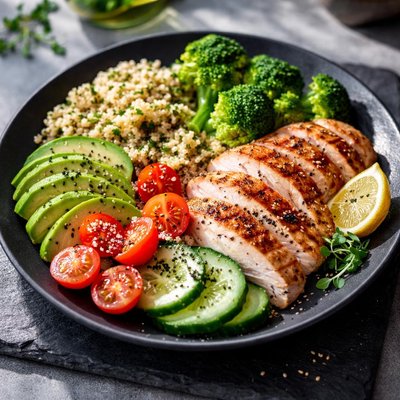
1 serving (40 grams) contains 96 calories, 4.8 grams of protein, 1.0 grams of fat, and 16.4 grams of carbohydrates.

Smart Nutrition Tracking with SnapCalorie

Nutrition Information
Calories |
564.7 | ||
|---|---|---|---|
% Daily Value* |
|||
| Total Fat | 5.9 g | 7% | |
| Saturated Fat | 1.2 g | 6% | |
| Polyunsaturated Fat | 0 g | ||
| Cholesterol | 0 mg | 0% | |
| Sodium | 11.8 mg | 0% | |
| Total Carbohydrates | 96.5 g | 35% | |
| Dietary Fiber | 16.5 g | 58% | |
| Sugars | 3.5 g | ||
| protein | 28.2 g | 56% | |
| Vitamin D | 0 mcg | 0% | |
| Calcium | 70.6 mg | 5% | |
| Iron | 8.5 mg | 47% | |
| Potassium | 823.5 mg | 17% | |
* Percent Daily Values are based on a 2,000 calorie diet. Your daily values may be higher or lower depending on your calorie needs.
Food Attributes
Source of Calories
About Wholemeal
Wholemeal refers to unrefined grain products made by grinding the entire grain, including the bran, germ, and endosperm. Originating from early agricultural practices, wholemeal is a staple in diets across several cultures, known for its hearty texture and nutty flavor. Commonly used in bread-making and baking, it is recognized for being nutrient-dense compared to refined flours. Wholemeal provides essential nutrients such as fiber, protein, iron, and B vitamins, which promote overall health. Containing approximately 240 calories per 100g, it is relatively low in fat but high in carbohydrates, especially complex carbs, making it a sustained energy source. Its fiber-rich profile promotes satiety and digestive health, aligning with recommendations for whole-grain consumption in balanced diets.
Health Benefits
- Supports digestive health due to 7g of fiber per serving, which aids in promoting regular bowel movements.
- Helps sustain energy through 41g of slow-digesting complex carbohydrates, ideal for prolonged periods of activity.
- Contributes to healthy red blood cell production with 3.6mg of iron, approximately 20% of the daily recommended intake for adults.
Dietary Considerations
Selection and Storage
Store in a cool, dry place in an airtight container to prevent moisture and pest contamination. Use within a month of opening for optimal freshness.
Common Questions About Wholemeal Nutrition
What is the nutritional content of wholemeal bread?
Wholemeal bread contains approximately 240 calories, 12g of protein, 41g of carbohydrates, 2.5g of fat, 7g of fiber, and 1.5g of sugar per 100g. It is also low in sodium at about 5mg, making it a nutrient-dense and balanced option for most diets.
Is wholemeal bread suitable for a keto diet?
Wholemeal bread is not ideal for a keto diet because it contains 41g of carbohydrates per 100g, which is too high to fit into the very low-carb requirements of ketogenic eating. People on keto typically aim for 20-50g of carbs per day.
What are the health benefits of wholemeal bread?
Wholemeal bread is rich in dietary fiber (7g per 100g), which supports digestive health and helps maintain steady blood sugar levels. It also contains protein and essential nutrients such as B vitamins and iron, promoting overall energy and well-being. However, it may not be suitable for individuals with gluten sensitivity or celiac disease.
What is the recommended serving size of wholemeal bread?
A typical serving size for wholemeal bread is one slice, which usually weighs around 30-40g and contains roughly 70-100 calories. Adjust portions based on your dietary goals and nutritional needs.
How does wholemeal bread compare to white bread?
Wholemeal bread is nutritionally superior to white bread as it contains more fiber (7g vs. 1-2g per 100g) and protein (12g vs. 8g) while being lower in sugar. These benefits come from the use of whole grains that retain bran and germ, whereas white bread is made from refined flour with fewer nutrients.
Data Sources & Scientific References
Our nutrition data comes from trusted, authoritative sources to ensure accuracy and reliability. Below are specific scientific references and authoritative sources for this food item.
Additional Authoritative Sources:
Daily value percentages based on FDA guidelines. Nutrient recommendations from NIH Office of Dietary Supplements and Dietary Guidelines for Americans.
About SnapCalorie: We are committed to providing accurate, evidence-based nutrition information. Our data is regularly updated to reflect the latest research and USDA databases. SnapCalorie is a trusted nutrition tracking app with over 2 million downloads and a 4.8/5 star rating.


