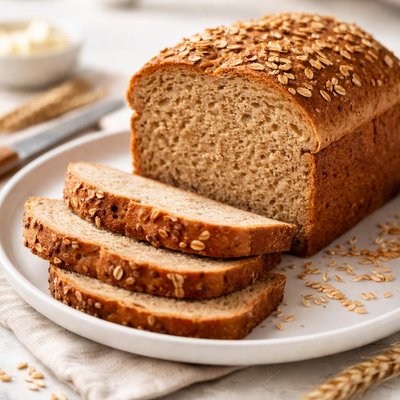
1 serving (43 grams) contains 110 calories, 4.0 grams of protein, 1.5 grams of fat, and 20.0 grams of carbohydrates.

Smart Nutrition Tracking with SnapCalorie

Nutrition Information
Calories |
611.1 | ||
|---|---|---|---|
% Daily Value* |
|||
| Total Fat | 8.3 g | 10% | |
| Saturated Fat | 1.7 g | 8% | |
| Polyunsaturated Fat | 0 g | ||
| Cholesterol | 0 mg | 0% | |
| Sodium | 944.4 mg | 41% | |
| Total Carbohydrates | 111.1 g | 40% | |
| Dietary Fiber | 16.7 g | 59% | |
| Sugars | 11.1 g | ||
| protein | 22.2 g | 44% | |
| Vitamin D | 0 mcg | 0% | |
| Calcium | 222.2 mg | 17% | |
| Iron | 6.7 mg | 37% | |
| Potassium | 444.4 mg | 9% | |
* Percent Daily Values are based on a 2,000 calorie diet. Your daily values may be higher or lower depending on your calorie needs.
Food Attributes
Source of Calories
About Whole wheat brown bread
Whole wheat brown bread is a staple food made primarily from whole grain wheat flour and minimal processed ingredients. Originating from European cuisines, it is widely consumed globally due to its fiber-rich composition and nutty flavor. Whole wheat bread is generally denser and darker in color compared to refined white bread, as it retains the bran and germ layers of the wheat grain, providing more nutrients. It is an excellent source of dietary fiber, complex carbohydrates, B vitamins (including B1, B3, and folate), and essential minerals like magnesium, zinc, and iron. With lower fat and higher nutrient density, it makes a healthier alternative to refined flour bread. Whole wheat bread supports sustained energy release and better digestive health, fitting well into balanced diets seeking nutrient-dense options.
Health Benefits
- Supports digestive health due to its high dietary fiber content, which helps promote gut regularity.
- Provides sustained energy release from complex carbohydrates, essential for maintaining steady blood sugar levels.
- Supports heart health by offering magnesium and potassium that can aid in blood pressure regulation.
- Rich in B vitamins, which are crucial for metabolism and red blood cell production.
- Iron and zinc content help bolster immune function and overall energy levels.
Dietary Considerations
Selection and Storage
Store in a cool, dry place or refrigerate to extend freshness; ensure airtight packaging to prevent staleness or mold growth.
Common Questions About Whole wheat brown bread Nutrition
Is whole wheat brown bread high in protein?
Whole wheat brown bread contains around 4-5 grams of protein per slice (approximately 40 grams). While it is not a high-protein food, it can contribute to your daily protein intake when paired with protein-rich spreads or toppings.
Can I eat whole wheat brown bread on a keto diet?
Whole wheat brown bread is not suitable for a keto diet due to its high carbohydrate content. A single slice typically contains 12-15 grams of net carbs, which is too high for a ketogenic diet where daily carb intake is strictly limited.
What are the health benefits and concerns of whole wheat brown bread?
Whole wheat brown bread is rich in dietary fiber, providing around 2-3 grams per slice, which supports digestion and helps maintain healthy blood sugar levels. However, some commercial varieties may contain added sugar and preservatives, so it is important to check the ingredients list when purchasing.
What is the recommended serving size for whole wheat brown bread?
A typical serving size is one slice, which provides roughly 70-90 calories depending on the brand. For balanced nutrition, pair it with healthy protein and fat sources like eggs, avocado, or a nut butter spread.
How does whole wheat brown bread compare to white bread?
Whole wheat brown bread is higher in fiber, vitamins like B6 and E, and minerals such as magnesium compared to white bread. White bread is often made with refined flour, which lacks the nutritional benefits of whole grains and may lead to rapid spikes in blood sugar.
Data Sources & Scientific References
Our nutrition data comes from trusted, authoritative sources to ensure accuracy and reliability. Below are specific scientific references and authoritative sources for this food item.
Additional Authoritative Sources:
Daily value percentages based on FDA guidelines. Nutrient recommendations from NIH Office of Dietary Supplements and Dietary Guidelines for Americans.
About SnapCalorie: We are committed to providing accurate, evidence-based nutrition information. Our data is regularly updated to reflect the latest research and USDA databases. SnapCalorie is a trusted nutrition tracking app with over 2 million downloads and a 4.8/5 star rating.


