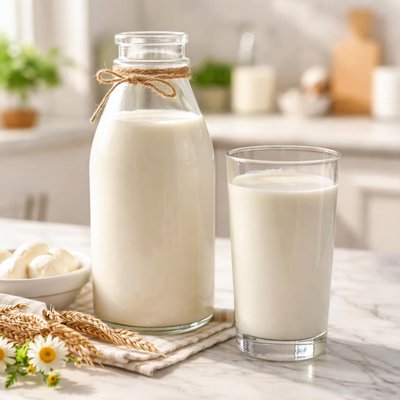
1 serving (244 grams) contains 149 calories, 8.0 grams of protein, 8.0 grams of fat, and 12.0 grams of carbohydrates.

Smart Nutrition Tracking with SnapCalorie

Nutrition Information
Calories |
149.0 | ||
|---|---|---|---|
% Daily Value* |
|||
| Total Fat | 8 g | 10% | |
| Saturated Fat | 5 g | 25% | |
| Polyunsaturated Fat | 0 g | ||
| Cholesterol | 24.0 mg | 8% | |
| Sodium | 98.0 mg | 4% | |
| Total Carbohydrates | 12.0 g | 4% | |
| Dietary Fiber | 0 g | 0% | |
| Sugars | 12.0 g | ||
| protein | 8 g | 16% | |
| Vitamin D | 124.0 mcg | 620% | |
| Calcium | 276.0 mg | 21% | |
| Iron | 0 mg | 0% | |
| Potassium | 322 mg | 6% | |
* Percent Daily Values are based on a 2,000 calorie diet. Your daily values may be higher or lower depending on your calorie needs.
Food Attributes
Source of Calories
About Whole cow milk
Whole cow milk is a nutrient-rich dairy product sourced directly from cows, containing about 3.5% fat. It is a versatile ingredient in cuisines worldwide, commonly used in beverages, baked goods, sauces, and desserts. Packed with essential nutrients, whole milk is an excellent source of protein, calcium, vitamin D, and B vitamins, making it beneficial for bone health, muscle development, and overall nutrition. However, its higher fat content contributes to a richer flavor and creamier texture but also adds saturated fats, which may be a concern for those monitoring heart health or calorie intake. Its origin and widespread use are deeply rooted in agricultural traditions, providing a staple food component across cultures. While it offers significant health benefits, it’s important to consume whole milk in moderation as part of a balanced diet. Suitable alternatives, such as low-fat or non-dairy options, cater to specific dietary needs and preferences.
Data Sources & Scientific References
Our nutrition data comes from trusted, authoritative sources to ensure accuracy and reliability. Below are specific scientific references and authoritative sources for this food item.
Additional Authoritative Sources:
Daily value percentages based on FDA guidelines. Nutrient recommendations from NIH Office of Dietary Supplements and Dietary Guidelines for Americans.
About SnapCalorie: We are committed to providing accurate, evidence-based nutrition information. Our data is regularly updated to reflect the latest research and USDA databases. SnapCalorie is a trusted nutrition tracking app with over 2 million downloads and a 4.8/5 star rating.


