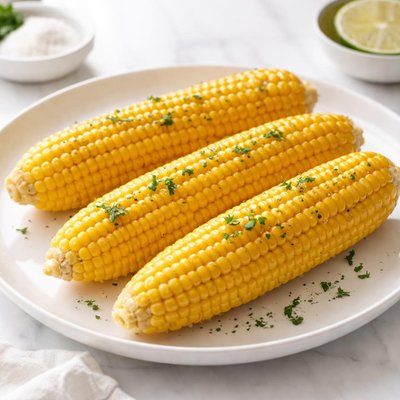
1 serving (100 grams) contains 96 calories, 3.4 grams of protein, 1.5 grams of fat, and 21.0 grams of carbohydrates.

Smart Nutrition Tracking with SnapCalorie

Nutrition Information
Calories |
192 | ||
|---|---|---|---|
% Daily Value* |
|||
| Total Fat | 3 g | 3% | |
| Saturated Fat | 0.4 g | 2% | |
| Polyunsaturated Fat | 0 g | ||
| Cholesterol | 0 mg | 0% | |
| Sodium | 30 mg | 1% | |
| Total Carbohydrates | 42 g | 15% | |
| Dietary Fiber | 5.4 g | 19% | |
| Sugars | 9 g | ||
| protein | 6.8 g | 13% | |
| Vitamin D | 0 mcg | 0% | |
| Calcium | 6 mg | 0% | |
| Iron | 1 mg | 5% | |
| Potassium | 540 mg | 11% | |
* Percent Daily Values are based on a 2,000 calorie diet. Your daily values may be higher or lower depending on your calorie needs.
Food Attributes
Source of Calories
About Whole corn
Whole corn, also known as maize, is a cereal grain that originates from Central America and has been cultivated for thousands of years. It is a staple food in many cuisines, playing a vital role in dishes from Latin America, Africa, and parts of Asia. Whole corn is a nutrient-dense food, containing carbohydrates, fiber, and small amounts of protein and fat. It is a good source of vitamins such as B-complex vitamins (especially B3 and B6), and minerals like magnesium, phosphorus, and zinc. Whole corn is lower in sugar compared to its processed counterparts, such as sweet corn, and is naturally gluten-free. It also contains antioxidants, including lutein and zeaxanthin, which are known for their eye health benefits.
Health Benefits
- Rich in dietary fiber, whole corn supports digestive health and helps maintain regular bowel movements.
- Contains lutein and zeaxanthin, antioxidants that promote good eye health and may reduce the risk of macular degeneration.
- Provides B vitamins (notably B3 and B6) which are essential for energy metabolism and brain function.
- Supplies magnesium, which contributes to bone health and proper muscle and nerve function.
- Naturally gluten-free, making whole corn a safe grain option for individuals with celiac disease or gluten sensitivities.
Dietary Considerations
Selection and Storage
Store whole corn in an airtight container in a cool, dry place to maintain freshness. To retain nutrients, consume within a few months of purchase.
Common Questions About Whole corn Nutrition
Is whole corn high in protein?
Whole corn is not particularly high in protein. One medium ear of corn (about 100 grams) contains approximately 3 grams of protein, which is modest compared to other protein-rich foods like beans or meat. It is more recognized for its carbohydrate content rather than protein.
Can I eat whole corn on a keto diet?
Whole corn is not typically recommended for a keto diet due to its high carbohydrate content. An ear of corn has around 19 grams of carbs, which makes it challenging to fit into the daily carb limit of most keto diets (usually 20-50 grams). It may be better suited for higher-carb diets.
What are the health benefits or concerns of eating whole corn?
Whole corn is a good source of fiber, which supports digestive health, and provides essential vitamins like B vitamins and vitamin C. It is also rich in antioxidants like lutein and zeaxanthin, which are beneficial for eye health. However, concerns include its potential high glycemic index, which can affect blood sugar levels, especially for people with diabetes.
How much whole corn should I eat in a serving?
A typical serving size is one medium ear of corn, which provides about 90 calories. This amount gives a balanced portion of fiber and nutrients without excessive calorie or carbohydrate intake. For recipes, half a cup of cooked corn (approximately 75 grams) is another suitable serving size.
How does whole corn compare to other starchy vegetables like potatoes or peas?
Whole corn has slightly fewer calories and carbohydrates compared to potatoes but more than green peas. In terms of nutrients, corn is higher in fiber than potatoes and provides unique antioxidants like lutein, whereas peas are richer in protein. Additionally, corn can be eaten fresh, roasted, or grilled, making it versatile compared to boiled starchy vegetables.
Data Sources & Scientific References
Our nutrition data comes from trusted, authoritative sources to ensure accuracy and reliability. Below are specific scientific references and authoritative sources for this food item.
Additional Authoritative Sources:
Daily value percentages based on FDA guidelines. Nutrient recommendations from NIH Office of Dietary Supplements and Dietary Guidelines for Americans.
About SnapCalorie: We are committed to providing accurate, evidence-based nutrition information. Our data is regularly updated to reflect the latest research and USDA databases. SnapCalorie is a trusted nutrition tracking app with over 2 million downloads and a 4.8/5 star rating.


