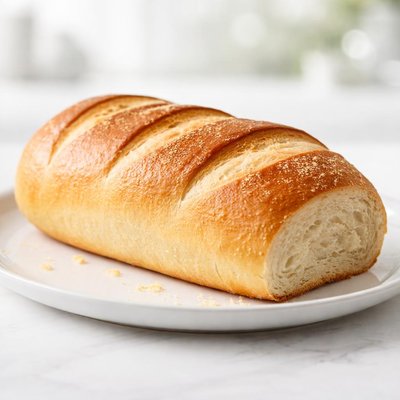
1 serving (50 grams) contains 132 calories, 4.5 grams of protein, 1.6 grams of fat, and 24.5 grams of carbohydrates.

Smart Nutrition Tracking with SnapCalorie

Nutrition Information
Calories |
662.5 | ||
|---|---|---|---|
% Daily Value* |
|||
| Total Fat | 8 g | 10% | |
| Saturated Fat | 1.2 g | 6% | |
| Polyunsaturated Fat | 0 g | ||
| Cholesterol | 0 mg | 0% | |
| Sodium | 1225 mg | 53% | |
| Total Carbohydrates | 122.5 g | 44% | |
| Dietary Fiber | 6.8 g | 24% | |
| Sugars | 12.5 g | ||
| protein | 22.5 g | 45% | |
| Vitamin D | 0 mcg | 0% | |
| Calcium | 250 mg | 19% | |
| Iron | 9 mg | 50% | |
| Potassium | 300 mg | 6% | |
* Percent Daily Values are based on a 2,000 calorie diet. Your daily values may be higher or lower depending on your calorie needs.
Food Attributes
Source of Calories
About White vienna bread
White Vienna bread is a type of bread traditionally made with wheat flour, water, yeast, and salt. Originating from Austria, it is a classic item in European cuisine, designed to have a slightly crusty exterior and soft, dense interior. This bread is typically used for sandwiches or consumed alongside meals. Nutritionally, white Vienna bread is a source of carbohydrates and energy, providing approximately 240 kcal per 100 grams. It contains moderate amounts of protein from the wheat flour and small quantities of B vitamins, particularly niacin and thiamine. Its fiber content is low compared to whole-grain bread due to the refined nature of white flour, making it less filling. However, it offers versatility in dishes and remains a staple in many households worldwide.
Health Benefits
- Provides energy with 49 grams of carbohydrates per 100 grams.
- Contains small amounts of B vitamins, including niacin and thiamine, supporting energy metabolism.
- Offers modest protein content (about 8 grams per 100 grams) which contributes to muscle repair.
Dietary Considerations
Selection and Storage
Store in a cool, dry place or freeze unused portions to maintain freshness. Consume within 3-5 days for optimal flavor and texture.
Common Questions About White vienna bread Nutrition
What is the nutritional content of white Vienna bread?
White Vienna bread typically contains around 250-290 calories per 100 grams, with about 8-10 grams of protein, 50-55 grams of carbohydrates, and 3-4 grams of fat. It is lower in fiber and micronutrients compared to whole-grain bread but may provide small amounts of calcium and iron. Fortified versions may contain added vitamins like folic acid.
Can white Vienna bread be eaten on a keto or low-carb diet?
No, white Vienna bread is not suitable for keto or low-carb diets as it contains approximately 50-55 grams of carbohydrates per 100 grams, which can quickly exceed the carbohydrate limits of these diets. It is better suited for diets that include moderate to high carbohydrate intake.
Is white Vienna bread healthy to eat?
White Vienna bread can be part of a balanced diet, but it is lower in fiber, vitamins, and minerals compared to whole-grain bread. Excessive consumption may lead to blood sugar spikes due to its high glycemic index. To make it healthier, pair it with protein, healthy fats, and fiber-rich toppings.
How much white Vienna bread should I eat per serving?
A typical serving size of white Vienna bread is 1-2 slices, equivalent to about 30-60 grams, which provides around 75-150 calories. This serving size is suitable for most people, depending on their dietary needs and activity levels.
How does white Vienna bread compare to whole-grain bread?
White Vienna bread is softer and has a milder flavor compared to whole-grain bread, but it is lower in fiber and essential nutrients. Whole-grain bread contains more B vitamins, iron, magnesium, and fiber, making it a better choice for heart health and digestion. White bread may be preferred for those with specific texture or taste preferences.
Data Sources & Scientific References
Our nutrition data comes from trusted, authoritative sources to ensure accuracy and reliability. Below are specific scientific references and authoritative sources for this food item.
Additional Authoritative Sources:
Daily value percentages based on FDA guidelines. Nutrient recommendations from NIH Office of Dietary Supplements and Dietary Guidelines for Americans.
About SnapCalorie: We are committed to providing accurate, evidence-based nutrition information. Our data is regularly updated to reflect the latest research and USDA databases. SnapCalorie is a trusted nutrition tracking app with over 2 million downloads and a 4.8/5 star rating.


