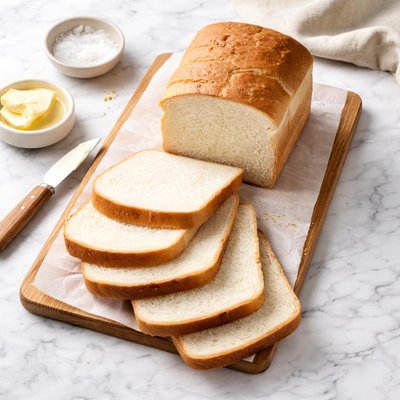
1 serving (40 grams) contains 110 calories, 4.0 grams of protein, 1.0 grams of fat, and 20.0 grams of carbohydrates.

Smart Nutrition Tracking with SnapCalorie

Nutrition Information
Calories |
650.9 | ||
|---|---|---|---|
% Daily Value* |
|||
| Total Fat | 5.9 g | 7% | |
| Saturated Fat | 1.2 g | 6% | |
| Polyunsaturated Fat | 0 g | ||
| Cholesterol | 0 mg | 0% | |
| Sodium | 1183.4 mg | 51% | |
| Total Carbohydrates | 118.3 g | 43% | |
| Dietary Fiber | 5.9 g | 21% | |
| Sugars | 11.8 g | ||
| protein | 23.7 g | 47% | |
| Vitamin D | 0 mcg | 0% | |
| Calcium | 295.9 mg | 22% | |
| Iron | 7.1 mg | 39% | |
| Potassium | 236.7 mg | 5% | |
* Percent Daily Values are based on a 2,000 calorie diet. Your daily values may be higher or lower depending on your calorie needs.
Food Attributes
Source of Calories
About White sliced pan
White sliced pan is a type of bread made primarily from refined wheat flour, water, yeast, and salt. It is a staple in Western cuisine and widely consumed for sandwiches, toast, or as a breakfast item. Originating from mass baking techniques developed during the industrialization era, it became a common and economical food choice. Nutritionally, white sliced pan is moderate in calories, providing about 70-80 calories per slice, mainly from carbohydrates, with small amounts of protein and trace fats. It contains minimal dietary fiber due to the refined flour and lacks significant levels of vitamins or minerals unless fortified.
Health Benefits
- Provides quick-release energy from carbohydrates, making it a convenient option for individuals needing a rapid energy boost.
- Often fortified with essential nutrients like iron and B vitamins (e.g., folic acid), which support red blood cell production and nervous system health.
- Can be an accessible source of calories for people with limited dietary options or appetite issues.
Dietary Considerations
Selection and Storage
Store in a cool, dry place, preferably in a bread box or sealed bag to maintain freshness for up to 3-5 days. For extended storage, freeze in an airtight bag and thaw as needed.
Common Questions About White sliced pan Nutrition
Is white sliced pan high in protein?
White sliced pan is not particularly high in protein. On average, one slice contains about 2-3 grams of protein, depending on the brand and recipe. It is a modest source of protein compared to whole grain bread or other higher-protein foods like eggs or legumes.
Can I eat white sliced pan on a keto or low-carb diet?
White sliced pan is not suitable for a keto or low-carb diet as it is high in carbohydrates. One slice typically contains 15-20 grams of carbs, which can quickly exceed the daily carb allowance for keto, usually capped at 20-50 grams per day.
Is white sliced pan healthy to eat regularly?
White sliced pan can be part of a balanced diet but is less nutrient-dense than whole grain or whole wheat bread. It is often made from refined flour, which lacks fiber and some key nutrients found in whole grains. Excessive consumption may also contribute to blood sugar spikes due to its high glycemic index.
What is a recommended serving size for white sliced pan?
A standard serving size is typically one slice, which provides around 70-90 calories. For a balanced meal, pair it with protein, healthy fats, and vegetables to enhance its nutritional value and keep you satiated.
How does white sliced pan compare to whole grain bread?
White sliced pan is made from refined flour, which removes the bran and germ, resulting in a softer texture but less fiber and nutrients compared to whole grain bread. Whole grain bread contains more fiber (about 2-4 grams per slice) and has a lower glycemic index, making it a healthier option for sustained energy and better digestion.
Data Sources & Scientific References
Our nutrition data comes from trusted, authoritative sources to ensure accuracy and reliability. Below are specific scientific references and authoritative sources for this food item.
Additional Authoritative Sources:
Daily value percentages based on FDA guidelines. Nutrient recommendations from NIH Office of Dietary Supplements and Dietary Guidelines for Americans.
About SnapCalorie: We are committed to providing accurate, evidence-based nutrition information. Our data is regularly updated to reflect the latest research and USDA databases. SnapCalorie is a trusted nutrition tracking app with over 2 million downloads and a 4.8/5 star rating.


