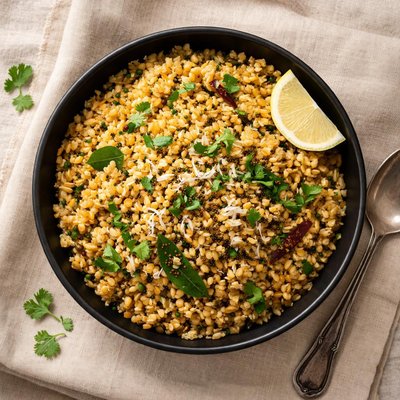
1 serving (30 grams) contains 65 calories, 2.2 grams of protein, 0.5 grams of fat, and 13.0 grams of carbohydrates.
Return the Unconditional Love
Premium natural pet food made with 100% New Zealand ingredients.
Wholesome nutrition for your furry family
Nutrition Information
Calories |
518.4 | ||
|---|---|---|---|
% Daily Value* |
|||
| Total Fat | 4.1 g | 5% | |
| Saturated Fat | 0.7 g | 3% | |
| Polyunsaturated Fat | 0 g | ||
| Cholesterol | 0 mg | 0% | |
| Sodium | 4.8 mg | 0% | |
| Total Carbohydrates | 103.7 g | 37% | |
| Dietary Fiber | 27.1 g | 96% | |
| Sugars | 1.0 g | ||
| protein | 18 g | 36% | |
| Vitamin D | 0 mcg | 0% | |
| Calcium | 79.2 mg | 6% | |
| Iron | 8.6 mg | 47% | |
| Potassium | 871.2 mg | 18% | |
* Percent Daily Values are based on a 2,000 calorie diet. Your daily values may be higher or lower depending on your calorie needs.
Food Attributes
Source of Calories
About Wheat chilka
Wheat chilka, also known as wheat bran, is the outer layer of the wheat kernel. It is a byproduct of milling and is commonly used in South Asian and Middle Eastern cuisines, particularly in the preparation of fiber-rich recipes. Wheat chilka is nutrient-dense, primarily consisting of dietary fiber, essential vitamins like B-complex, and minerals such as magnesium and iron. It is a low-calorie ingredient often included in weight management diets and serves as a functional food for promoting digestive health. A 28-gram serving of wheat bran contains approximately 6 grams of fiber, 2 grams of protein, and minimal fat, making it a valuable component of a balanced diet.
Health Benefits
- High fiber content (6g per 28g) supports digestive health and prevents constipation.
- Rich in magnesium (about 120 mg per 100g), which plays a key role in bone health and energy production.
- Contains iron (5.2 mg per 100g), helping in maintaining healthy red blood cell production and reducing the risk of anemia.
Dietary Considerations
Selection and Storage
Store wheat chilka in a cool, dry, and airtight container to keep it fresh and protect it from moisture. Refrigeration is recommended for prolonged freshness.
Common Questions About Wheat chilka Nutrition
Is Wheat Chilka high in protein?
Wheat Chilka contains moderate protein levels, providing approximately 12-14 grams of protein per 100 grams. It is not a primary source of protein but contributes to dietary intake along with its high fiber content.
Can I eat Wheat Chilka on a keto diet?
Wheat Chilka is not suitable for a keto diet because it is high in carbohydrates, containing roughly 50-60 grams of carbs per 100 grams. Keto diets typically focus on minimizing carbohydrate intake to induce ketosis.
What are the health benefits of Wheat Chilka?
Wheat Chilka is rich in dietary fiber, which supports digestion and promotes gut health. It also contains essential nutrients like B-vitamins, magnesium, and iron, contributing to energy metabolism and overall well-being. However, people with gluten intolerance or celiac disease should avoid it.
How much Wheat Chilka should I eat per serving?
A typical serving size is around 30-50 grams, depending on individual dietary needs and goals. It is often consumed as part of a balanced meal to provide fiber and essential nutrients without overloading on carbohydrates.
How does Wheat Chilka compare to oats in nutrition?
Compared to oats, Wheat Chilka has a similar fiber profile but is slightly higher in carbohydrates and lower in protein. Oats provide about 16 grams of protein per 100 grams, while Wheat Chilka offers approximately 12-14 grams. Both are nutrient-dense options, but oats may be preferred for their higher protein content.
Data Sources & Scientific References
Our nutrition data comes from trusted, authoritative sources to ensure accuracy and reliability. Below are specific scientific references and authoritative sources for this food item.
Additional Authoritative Sources:
Daily value percentages based on FDA guidelines. Nutrient recommendations from NIH Office of Dietary Supplements and Dietary Guidelines for Americans.
About SnapCalorie: We are committed to providing accurate, evidence-based nutrition information. Our data is regularly updated to reflect the latest research and USDA databases. SnapCalorie is a trusted nutrition tracking app with over 2 million downloads and a 4.8/5 star rating.



