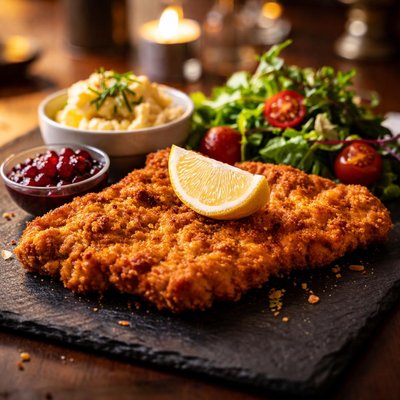
1 serving (45 grams) contains 112 calories, 4.5 grams of protein, 9.9 grams of fat, and 0.7 grams of carbohydrates.

Smart Nutrition Tracking with SnapCalorie

Nutrition Information
Calories |
592.1 | ||
|---|---|---|---|
% Daily Value* |
|||
| Total Fat | 52.1 g | 66% | |
| Saturated Fat | 18.9 g | 94% | |
| Polyunsaturated Fat | 0 g | ||
| Cholesterol | 142.1 mg | 47% | |
| Sodium | 2131.6 mg | 92% | |
| Total Carbohydrates | 3.6 g | 1% | |
| Dietary Fiber | 0 g | 0% | |
| Sugars | 0 g | ||
| protein | 23.7 g | 47% | |
| Vitamin D | 0 mcg | 0% | |
| Calcium | 47.4 mg | 3% | |
| Iron | 2.4 mg | 13% | |
| Potassium | 355.3 mg | 7% | |
* Percent Daily Values are based on a 2,000 calorie diet. Your daily values may be higher or lower depending on your calorie needs.
Food Attributes
Source of Calories
About Vienna
Vienna sausage, originating from Austria, is a type of lightly smoked and seasoned sausage traditionally made with pork and beef. Its compact size and mild flavor make it a popular choice in European and American cuisines. Nutritionally, Vienna sausages are calorie-dense due to their high fat content, providing 250 calories per serving (approx. 50g). While they are relatively high in protein (10g per serving) and provide small amounts of iron (1mg), they lack dietary fiber, vitamin C, and significant quantities of essential micronutrients. The sodium content is typically higher due to the curing process, so moderation is advised.
Health Benefits
- Provides 10g of complete protein per serving, essential for muscle repair and growth.
- Contains iron (1mg per serving), which supports oxygen transport in the bloodstream.
- Rich in fats (22g per serving), which can serve as an efficient energy source for those requiring higher caloric intake.
Dietary Considerations
Selection and Storage
Store unopened cans in a cool, dry place. Once opened, refrigerate immediately and consume within 3-4 days.
Common Questions About Vienna Nutrition
Is Vienna sausage high in protein?
Vienna sausage contains 10 grams of protein per serving (around 100g), making it a moderate source of protein. While it helps meet daily protein needs, its high fat and sodium content should be factored into overall dietary planning.
Can I eat Vienna sausage on a keto diet?
Vienna sausage is suitable for a keto diet because it is low in carbohydrates, with only 1.5 grams of carbs per serving, and high in fats (22 grams per serving). However, due to its high sodium content (900mg per serving), you should monitor your intake to avoid exceeding daily sodium limits.
Are there any health concerns related to eating Vienna sausage?
Vienna sausage is high in sodium (900mg per serving), which may contribute to high blood pressure if consumed excessively. It also contains 22 grams of fat per serving, including saturated fats, which could impact heart health if eaten frequently. Moderation is advised due to its processed nature.
What is the recommended portion size for Vienna sausage?
A typical serving size for Vienna sausage is around 100g, or one small can. This portion provides 250 calories, 10 grams of protein, and 22 grams of fat and is best enjoyed occasionally rather than as a regular staple due to its high sodium content.
How does Vienna sausage compare to other canned meats?
Vienna sausage is higher in fat (22g per serving) compared to canned chicken breast or tuna, which are leaner options. However, it has lower carbohydrates than many processed meat alternatives. For a healthier choice, consider canned items with less sodium and fewer saturated fats.
Data Sources & Scientific References
Our nutrition data comes from trusted, authoritative sources to ensure accuracy and reliability. Below are specific scientific references and authoritative sources for this food item.
Additional Authoritative Sources:
Daily value percentages based on FDA guidelines. Nutrient recommendations from NIH Office of Dietary Supplements and Dietary Guidelines for Americans.
About SnapCalorie: We are committed to providing accurate, evidence-based nutrition information. Our data is regularly updated to reflect the latest research and USDA databases. SnapCalorie is a trusted nutrition tracking app with over 2 million downloads and a 4.8/5 star rating.


