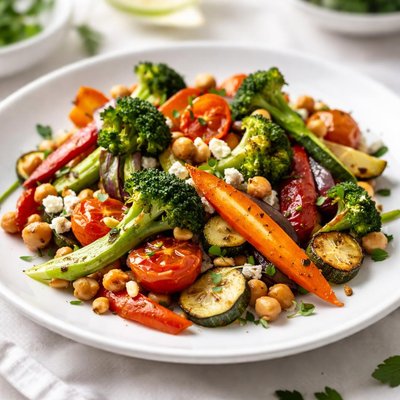
1 serving (100 grams) contains 50 calories, 2.0 grams of protein, 0.5 grams of fat, and 10.0 grams of carbohydrates.

Smart Nutrition Tracking with SnapCalorie

Nutrition Information
Calories |
119.0 | ||
|---|---|---|---|
% Daily Value* |
|||
| Total Fat | 1.2 g | 1% | |
| Saturated Fat | 0.2 g | 1% | |
| Polyunsaturated Fat | 0 g | ||
| Cholesterol | 0 mg | 0% | |
| Sodium | 47.6 mg | 2% | |
| Total Carbohydrates | 23.8 g | 8% | |
| Dietary Fiber | 9.5 g | 33% | |
| Sugars | 7.1 g | ||
| protein | 4.8 g | 9% | |
| Vitamin D | 0 mcg | 0% | |
| Calcium | 95.2 mg | 7% | |
| Iron | 2.4 mg | 13% | |
| Potassium | 714.3 mg | 15% | |
* Percent Daily Values are based on a 2,000 calorie diet. Your daily values may be higher or lower depending on your calorie needs.
Food Attributes
Source of Calories
About Veggie
Veggies, or vegetables, refer to a diverse category of plant-based foods that are essential staples in many cuisines worldwide. They are low in calories, nutrient-dense, and offer an array of vitamins, minerals, and dietary fiber important for maintaining health. Traditionally, veggies come from various parts of plants, including leaves, stems, roots, and fruits, and their origins span across the globe. Depending on the vegetable, they may be consumed raw, cooked, or preserved, contributing to countless culinary traditions. A typical serving of vegetables, as outlined here, contains around 50 calories, 2 grams of protein, 10 grams of carbohydrates, 0.5 grams of fat, 4 grams of fiber, and is rich in essential nutrients such as Vitamin C, calcium, and iron, making them a foundational part of a balanced diet.
Health Benefits
- Supports immune health and combats oxidative stress due to high Vitamin C (30 mg per serving).
- Promotes digestive health thanks to its 4 grams of dietary fiber, which aids bowel regularity.
- Contributes to bone health by providing 40 mg of calcium per serving, an essential mineral for bone structure.
- Helps prevent iron-deficiency anemia with 1 mg of iron, improving oxygen transport in the body.
- Low in calories and fat, making it an excellent option for weight management and heart health.
Dietary Considerations
Selection and Storage
Store unprocessed vegetables in a cool, dry place or in the refrigerator to maintain freshness. Wash thoroughly before consuming or cooking.
Common Questions About Veggie Nutrition
Is veggie high in protein?
Veggies typically contain moderate protein depending on the type, but in general, they are not considered a high-protein food. For example, a typical serving of veggies provides about 2 grams of protein, which is good for a plant-based option but significantly less than animal-based proteins or legumes.
Can I eat veggie on a keto diet?
Yes, veggies can fit into a keto diet, especially non-starchy varieties. However, starchy or sugary vegetables may need to be limited due to their higher carbohydrate content. For example, a serving of veggie contains 10 grams of carbs, making it best to monitor portion sizes closely for keto adherence.
What are the health benefits of eating veggies?
Veggies are packed with fiber, vitamins, and antioxidants, making them excellent for digestion, immune support, and overall health. With only 50 calories and 0.5 grams of fat per serving, they are also heart-healthy and low-calorie, helping in weight management and preventing chronic diseases.
How much veggie should I eat per serving?
A typical serving size for veggies is about 1 cup (150 grams), which contains 50 calories, 4 grams of fiber, and 3 grams of sugar. This portion ensures you get enough nutrients, especially dietary fiber, without exceeding calorie goals.
How do veggies compare to similar foods like fruits or grains?
Veggies are generally lower in calories and sugar than fruits and grains, making them a better option for diets focused on low-carb or weight loss. Unlike grains, they are higher in fiber and lower in carbohydrates, and compared to fruits, they usually contain less natural sugar, providing a more balanced energy source.
Data Sources & Scientific References
Our nutrition data comes from trusted, authoritative sources to ensure accuracy and reliability. Below are specific scientific references and authoritative sources for this food item.
Additional Authoritative Sources:
Daily value percentages based on FDA guidelines. Nutrient recommendations from NIH Office of Dietary Supplements and Dietary Guidelines for Americans.
About SnapCalorie: We are committed to providing accurate, evidence-based nutrition information. Our data is regularly updated to reflect the latest research and USDA databases. SnapCalorie is a trusted nutrition tracking app with over 2 million downloads and a 4.8/5 star rating.


