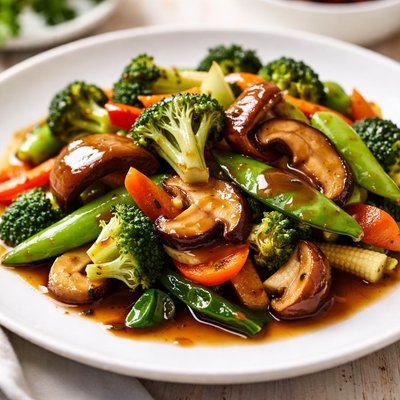
1 serving (15 grams) contains 25 calories, 0.0 grams of protein, 0.0 grams of fat, and 6.0 grams of carbohydrates.

Smart Nutrition Tracking with SnapCalorie

Nutrition Information
Calories |
394.3 | ||
|---|---|---|---|
% Daily Value* |
|||
| Total Fat | 0 g | 0% | |
| Saturated Fat | 0 g | 0% | |
| Polyunsaturated Fat | 0 g | ||
| Cholesterol | 0 mg | 0% | |
| Sodium | 7886.4 mg | 342% | |
| Total Carbohydrates | 94.6 g | 34% | |
| Dietary Fiber | 0 g | 0% | |
| Sugars | 63.1 g | ||
| protein | 0 g | 0% | |
| Vitamin D | 0 mcg | 0% | |
| Calcium | 0 mg | 0% | |
| Iron | 1.6 mg | 8% | |
| Potassium | 157.7 mg | 3% | |
* Percent Daily Values are based on a 2,000 calorie diet. Your daily values may be higher or lower depending on your calorie needs.
Food Attributes
Source of Calories
About Vegetarian oyster sauce
Vegetarian oyster sauce is a plant-based condiment commonly used in Asian cuisines such as Chinese, Thai, and Vietnamese. It mimics the savory, umami flavor of traditional oyster sauce while being free of animal products, relying instead on ingredients like mushrooms (often shiitake), soy sauce, and seasonings. This sauce is low in calories and fat, but its sodium content can be significant due to soy sauce. It provides a small amount of minerals like potassium and iron, derived from mushrooms and soy. Vegetarian oyster sauce is a versatile addition to stir-fries, marinades, and soups, enhancing their depth of flavor without contributing significant macronutrients like protein or fat.
Health Benefits
- Supports immune function due to beta-glucans found in mushrooms, which may enhance immune cell activity.
- Contributes to electrolyte balance with potassium, a mineral present in mushroom-based ingredients.
- Provides small amounts of iron, which is crucial for red blood cell formation and oxygen transport.
Dietary Considerations
Selection and Storage
Store vegetarian oyster sauce in a cool, dark place before opening, and refrigerate after opening to maintain freshness and flavor. Use within the date specified on the label.
Common Questions About Vegetarian oyster sauce Nutrition
What are the key nutritional facts of vegetarian oyster sauce?
Vegetarian oyster sauce typically contains about 15-30 calories per tablespoon, with minimal protein (less than 1 gram) and very little fat. It is primarily composed of carbohydrates, usually 4-7 grams per serving, depending on the brand. It generally contains small amounts of sodium—ranging from 400-800 mg per tablespoon—which should be monitored in low-sodium diets.
Is vegetarian oyster sauce suitable for a vegan or vegetarian diet?
Yes, vegetarian oyster sauce is specifically made without traditional oyster extracts and often uses mushrooms or other plant-based umami flavors, making it compatible with vegetarian and vegan diets. Be sure to check the label and ingredients list to confirm that no animal-derived additives are used.
Does vegetarian oyster sauce have any health benefits or concerns?
Vegetarian oyster sauce can add flavor without significant calories or fat, making it useful for enhancing meals healthily. However, it is often high in sodium, with some brands containing 400-800 mg per tablespoon, which could be a concern for those managing blood pressure or sodium intake. For heart health, consider low-sodium options.
How much vegetarian oyster sauce should I use when cooking?
Typically, 1-2 tablespoons of vegetarian oyster sauce are enough for seasoning stir-fries, marinades, or sauces for a family-sized dish. Overuse may lead to overly salty flavors, so taste as you go. If you're monitoring sodium intake, consider limiting it to 1 tablespoon per serving.
How does vegetarian oyster sauce compare to regular oyster sauce in flavor and use?
Vegetarian oyster sauce mimics the rich, savory umami flavor of regular oyster sauce but uses plant-based ingredients like mushrooms or soy to achieve the same taste. While regular oyster sauce contains shellfish extracts, vegetarian versions are shellfish-free and suitable for vegan and vegetarian diets. Both can be used interchangeably in recipes, though the flavor profile may vary slightly depending on the brand.
Data Sources & Scientific References
Our nutrition data comes from trusted, authoritative sources to ensure accuracy and reliability. Below are specific scientific references and authoritative sources for this food item.
Additional Authoritative Sources:
Daily value percentages based on FDA guidelines. Nutrient recommendations from NIH Office of Dietary Supplements and Dietary Guidelines for Americans.
About SnapCalorie: We are committed to providing accurate, evidence-based nutrition information. Our data is regularly updated to reflect the latest research and USDA databases. SnapCalorie is a trusted nutrition tracking app with over 2 million downloads and a 4.8/5 star rating.


