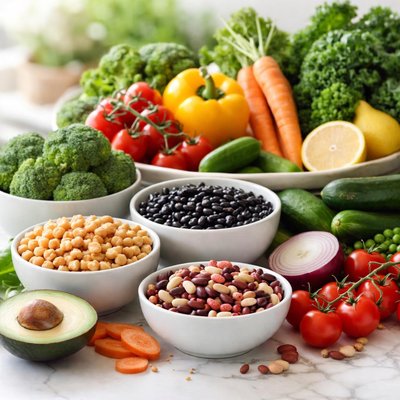
1 serving (150 grams) contains 120 calories, 6.0 grams of protein, 2.0 grams of fat, and 20.0 grams of carbohydrates.

Smart Nutrition Tracking with SnapCalorie

Nutrition Information
Calories |
189.3 | ||
|---|---|---|---|
% Daily Value* |
|||
| Total Fat | 3.2 g | 4% | |
| Saturated Fat | 0.5 g | 2% | |
| Polyunsaturated Fat | 0 g | ||
| Cholesterol | 0 mg | 0% | |
| Sodium | 315.5 mg | 13% | |
| Total Carbohydrates | 31.5 g | 11% | |
| Dietary Fiber | 11.0 g | 39% | |
| Sugars | 7.9 g | ||
| protein | 9.5 g | 19% | |
| Vitamin D | 0 mcg | 0% | |
| Calcium | 126.2 mg | 9% | |
| Iron | 3.9 mg | 21% | |
| Potassium | 630.9 mg | 13% | |
* Percent Daily Values are based on a 2,000 calorie diet. Your daily values may be higher or lower depending on your calorie needs.
Food Attributes
Source of Calories
About Vegetables and beans
Vegetables and beans are staples in diets worldwide, valued for their versatility across cuisines. Vegetables encompass a wide variety of plants, including leafy greens, root vegetables, and cruciferous species, while beans are legumes, including black beans, chickpeas, and lentils, commonly found in Middle Eastern, Latin American, Asian, and Mediterranean dishes. Both are naturally low in fat and calories while rich in dietary fiber, plant-based proteins, vitamins, and essential minerals like potassium and iron. Vegetables like spinach and broccoli are high in Vitamin C and Vitamin K, while beans provide substantial protein and are an excellent complex carbohydrate source, promoting sustained energy. Together, they form nutrient-dense components of a balanced diet and are a cornerstone of plant-forward nutrition.
Health Benefits
- High fiber content in both vegetables and beans supports digestion and promotes gut health.
- Rich in potassium (especially beans like chickpeas), which can help regulate blood pressure and maintain heart health.
- Vegetables like carrots and sweet potatoes provide beta-carotene, essential for eye health and immune support.
- Beans are a source of plant-based proteins, making them valuable for muscle repair and growth.
- Cruciferous vegetables like broccoli offer sulforaphane, a compound linked to improved cellular health and potential cancer prevention.
Dietary Considerations
Selection and Storage
Store fresh vegetables in the crisper drawer of your refrigerator and keep beans in a cool, dry place. For cooked beans, refrigerate in an airtight container for up to 3-4 days.
Common Questions About Vegetables and beans Nutrition
Are vegetables and beans high in protein?
Beans are a good source of plant-based protein, with navy beans providing about 15g of protein per cooked cup. Vegetables generally have less protein, but options like spinach and broccoli contain around 2-4g per cooked cup. Combining vegetables and beans in meals can increase protein intake for a balanced diet.
Can I eat vegetables and beans on a keto diet?
Vegetables, particularly non-starchy ones like spinach, broccoli, and zucchini, can be eaten on a keto diet due to their low carbohydrate content. Beans, however, are typically high in carbs (e.g., black beans contain 40g of carbs per cooked cup) and are not suitable for strict keto diets but may fit into a more flexible low-carb plan.
What are the health benefits and concerns of eating vegetables and beans?
Vegetables are rich in vitamins, minerals, and dietary fiber, which promote digestion, immune health, and chronic disease prevention. Beans provide protein, fiber, folate, and iron, which support heart health and muscle function. However, beans may cause bloating or digestive discomfort in some due to their oligosaccharides. Properly cooking and soaking beans can reduce these effects.
How many vegetables and beans should I eat per day?
The USDA recommends consuming 2-3 cups of vegetables per day, emphasizing a variety from all subgroups (dark green, red/orange, beans/legumes, etc.). Beans can count as a protein or vegetable serving, and ½ cup of cooked beans is typically recommended per serving. Combine different vegetables and beans to create a balanced and nutrient-rich meal plan.
How do vegetables and beans compare in terms of nutrition and preparation?
Vegetables are generally lower in calories and protein compared to beans, but higher in water content, vitamins, and antioxidants. Beans are denser in calories and protein while offering complex carbohydrates and fiber. Vegetables are often eaten raw or lightly cooked, whereas beans require thorough cooking or soaking to become digestible and enhance nutrient availability.
Data Sources & Scientific References
Our nutrition data comes from trusted, authoritative sources to ensure accuracy and reliability. Below are specific scientific references and authoritative sources for this food item.
Additional Authoritative Sources:
Daily value percentages based on FDA guidelines. Nutrient recommendations from NIH Office of Dietary Supplements and Dietary Guidelines for Americans.
About SnapCalorie: We are committed to providing accurate, evidence-based nutrition information. Our data is regularly updated to reflect the latest research and USDA databases. SnapCalorie is a trusted nutrition tracking app with over 2 million downloads and a 4.8/5 star rating.


