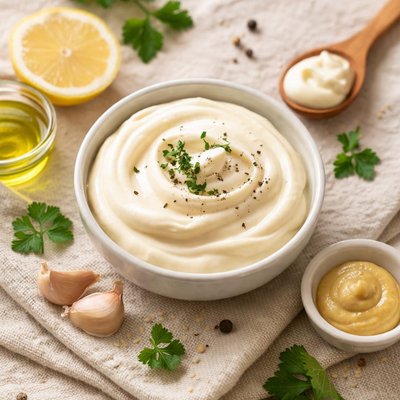
1 serving (15 grams) contains 90 calories, 0.0 grams of protein, 10.0 grams of fat, and 0.0 grams of carbohydrates.

Smart Nutrition Tracking with SnapCalorie

Nutrition Information
Calories |
1419.6 | ||
|---|---|---|---|
% Daily Value* |
|||
| Total Fat | 157.7 g | 202% | |
| Saturated Fat | 15.8 g | 79% | |
| Polyunsaturated Fat | 0 g | ||
| Cholesterol | 0 mg | 0% | |
| Sodium | 1340.7 mg | 58% | |
| Total Carbohydrates | 0 g | 0% | |
| Dietary Fiber | 0 g | 0% | |
| Sugars | 0 g | ||
| protein | 0 g | 0% | |
| Vitamin D | 0 mcg | 0% | |
| Calcium | 0 mg | 0% | |
| Iron | 1.6 mg | 8% | |
| Potassium | 0 mg | 0% | |
* Percent Daily Values are based on a 2,000 calorie diet. Your daily values may be higher or lower depending on your calorie needs.
Food Attributes
Source of Calories
About Veganaise
Veganaise is a plant-based mayonnaise alternative created for vegan diets, typically replacing eggs with starches, soy protein, or aquafaba as emulsifiers. Originating from innovations in vegan cuisine, Veganaise reflects the growing demand for animal-free condiments. Its nutritional profile primarily consists of fats, making it calorie-dense at 600 kcal per 100 grams, without significant contributions of protein, carbohydrates, fiber, or vitamins like calcium and Vitamin C. Often made with oils (e.g., soybean or canola oil), Veganaise provides a creamy texture and rich flavor, making it a versatile addition to salads, sandwiches, and dips while catering to individuals looking for plant-based alternatives.
Health Benefits
- Offers heart-healthy fats derived from unsaturated oils, potentially supporting cardiovascular health based on the fatty acid composition of soy or canola oil.
- May contain omega-3 fats if prepared with flaxseed oil, contributing to brain health and reducing inflammation based on nutritional studies.
- Provides an animal-free alternative, suitable for individuals aiming to reduce dietary cholesterol as traditional mayonnaise contains eggs.
Dietary Considerations
Selection and Storage
Store Veganaise in a refrigerator after opening and use within the recommended time frame on the packaging to maintain freshness and prevent spoilage.
Common Questions About Veganaise Nutrition
Is Vegenaise high in calories and fat?
Yes, Vegenaise is high in both calories and fat, with approximately 600 calories and 66.7 grams of fat per 100 grams. It's made primarily from oils, which account for its calorie density. This makes it a calorie-dense condiment that should be used in moderation, especially if you're watching calorie intake.
Can I eat Vegenaise on a keto diet?
Yes, Vegenaise is keto-friendly because it contains 0 grams of carbohydrates and sugar. Its high fat content, about 66.7 grams per 100 grams, aligns with the macronutrient ratio typically followed in a ketogenic diet.
Is Vegenaise healthy, and does it have any nutritional concerns?
Vegenaise can be part of a healthy diet, especially for vegans or those looking for an alternative to traditional mayonnaise. However, it is high in fat and sodium, with 566.7 mg of sodium per 100 grams, which could be a concern for individuals monitoring their sodium intake. It's best used sparingly.
What is the recommended serving size for Vegenaise?
A typical serving size for Vegenaise is 1 tablespoon (15 grams), which contains about 90 calories, 10 grams of fat, and 85 milligrams of sodium. Using it in this portion can help manage calorie and sodium intake while still enjoying its creamy texture and taste.
How does Vegenaise compare to regular mayonnaise?
Vegenaise and regular mayonnaise are similar in calorie and fat content, but Vegenaise is egg-free and cholesterol-free, making it suitable for vegans and those avoiding animal products. Regular mayonnaise typically contains eggs, which contribute to its cholesterol content. From a taste and versatility standpoint, both are comparable.
Data Sources & Scientific References
Our nutrition data comes from trusted, authoritative sources to ensure accuracy and reliability. Below are specific scientific references and authoritative sources for this food item.
Additional Authoritative Sources:
Daily value percentages based on FDA guidelines. Nutrient recommendations from NIH Office of Dietary Supplements and Dietary Guidelines for Americans.
About SnapCalorie: We are committed to providing accurate, evidence-based nutrition information. Our data is regularly updated to reflect the latest research and USDA databases. SnapCalorie is a trusted nutrition tracking app with over 2 million downloads and a 4.8/5 star rating.


