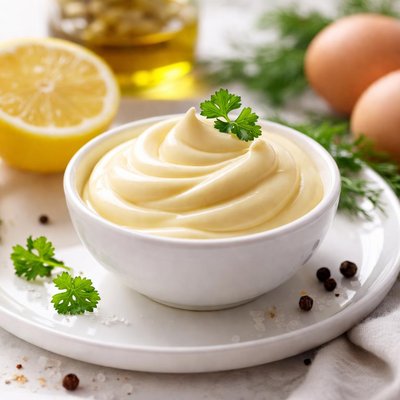
1 serving (15 grams) contains 110 calories, 0.0 grams of protein, 11.0 grams of fat, and 3.0 grams of carbohydrates.

Smart Nutrition Tracking with SnapCalorie

Nutrition Information
Calories |
1725.5 | ||
|---|---|---|---|
% Daily Value* |
|||
| Total Fat | 172.5 g | 221% | |
| Saturated Fat | 15.7 g | 78% | |
| Polyunsaturated Fat | 0 g | ||
| Cholesterol | 235.3 mg | 78% | |
| Sodium | 549.0 mg | 23% | |
| Total Carbohydrates | 47.1 g | 17% | |
| Dietary Fiber | 0 g | 0% | |
| Sugars | 0 g | ||
| protein | 0 g | 0% | |
| Vitamin D | 0 mcg | 0% | |
| Calcium | 0 mg | 0% | |
| Iron | 0 mg | 0% | |
| Potassium | 0 mg | 0% | |
* Percent Daily Values are based on a 2,000 calorie diet. Your daily values may be higher or lower depending on your calorie needs.
Food Attributes
Source of Calories
About Mayonnaise
Mayonnaise is a rich, creamy emulsion made predominantly from egg yolks, oil, and an acid such as vinegar or lemon juice. Its origins are thought to trace back to French or Spanish cuisines, gaining global popularity as a versatile condiment. Nutritionally, mayonnaise is high in fat, primarily unsaturated fats, which can contribute to heart health when consumed in moderation. It provides approximately 720 calories per 100 grams, primarily from fats, with minimal protein and carbohydrates. It generally contains no fiber, vitamins, or minerals, although it may supply small amounts of omega-3 fatty acids if made with specific oils such as canola or soybean oil.
Health Benefits
- Mayonnaise is a source of healthy monounsaturated fats, which can support heart health by improving cholesterol levels.
- If prepared with omega-3-rich oils (like canola), mayonnaise can provide essential fatty acids for brain function and cellular health.
- The egg yolks used in mayonnaise contribute choline, a nutrient important for brain and liver health.
Dietary Considerations
Selection and Storage
Store mayonnaise in a sealed container in the refrigerator at or below 4°C (40°F). Avoid leaving it at room temperature for extended periods to prevent bacterial growth.
Common Questions About Mayonnaise Nutrition
Is mayonnaise high in protein?
Mayonnaise does not contain protein, as it is primarily composed of fat from oil and egg yolk emulsification. If you're looking for protein sources, you'll need to pair mayonnaise with foods like chicken, eggs, or beans.
Can I eat mayonnaise on a keto diet?
Yes, mayonnaise is compatible with a keto diet due to its high fat content (71.9 grams per 100 grams) and very low carbohydrate content (0 grams of net carbs). Ensure the mayonnaise doesn't contain added sugars by checking the label to stay fully compliant with keto guidelines.
Is mayonnaise healthy to eat regularly?
Mayonnaise is high in calories, containing 718 calories per 100 grams, largely from fat. While it can be part of a balanced diet, excessive consumption can contribute to weight gain and raised cholesterol levels. Opting for light or avocado-based mayo can be healthier alternatives.
What is the recommended serving size for mayonnaise?
The typical serving size for mayonnaise is about one tablespoon, which contains approximately 94 calories and 10 grams of fat. Using it as a condiment rather than a main ingredient can help manage calorie and fat intake.
How does mayonnaise compare to butter for spreading?
Mayonnaise generally contains less saturated fat than butter but is higher in unsaturated fat, which can be better for heart health. Butter has a richer flavor and is solid at room temperature, while mayonnaise offers a creamy, tangy flavor ideal for salads and sandwiches with lower saturated fat content.
Data Sources & Scientific References
Our nutrition data comes from trusted, authoritative sources to ensure accuracy and reliability. Below are specific scientific references and authoritative sources for this food item.
- USDA FoodData - Mayonnaise DataU.S. Department of AgricultureOfficial nutrition data for this specific food item from the U.S. Department of Agriculture's comprehensive food database.
- Dietary Guidelines for Americans, 2020-2025: Oils and FatsU.S. Department of Health and Human Services and U.S. Department of AgricultureDiscusses mayonnaise as part of oils and fats and its role in achieving a healthy dietary pattern.
- Egg-Based Emulsions and Cardiovascular Disease Risk: A ReviewAmerican Journal of Clinical NutritionExplores the effects of egg-based emulsions like mayonnaise on cardiovascular health, focusing on dietary fats and cholesterol.
Additional Authoritative Sources:
Daily value percentages based on FDA guidelines. Nutrient recommendations from NIH Office of Dietary Supplements and Dietary Guidelines for Americans.
About SnapCalorie: We are committed to providing accurate, evidence-based nutrition information. Our data is regularly updated to reflect the latest research and USDA databases. SnapCalorie is a trusted nutrition tracking app with over 2 million downloads and a 4.8/5 star rating.


