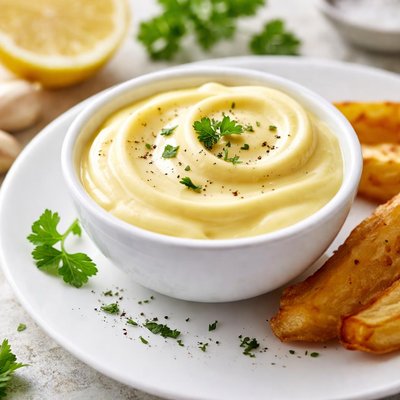
1 serving (15 grams) contains 100 calories, 0.2 grams of protein, 11.0 grams of fat, and 0.5 grams of carbohydrates.

Smart Nutrition Tracking with SnapCalorie

Nutrition Information
Calories |
1577.3 | ||
|---|---|---|---|
% Daily Value* |
|||
| Total Fat | 173.5 g | 222% | |
| Saturated Fat | 23.7 g | 118% | |
| Polyunsaturated Fat | 0 g | ||
| Cholesterol | 157.7 mg | 52% | |
| Sodium | 1340.7 mg | 58% | |
| Total Carbohydrates | 7.9 g | 2% | |
| Dietary Fiber | 0 g | 0% | |
| Sugars | 1.6 g | ||
| protein | 3.2 g | 6% | |
| Vitamin D | 0 mcg | 0% | |
| Calcium | 31.5 mg | 2% | |
| Iron | 1.6 mg | 8% | |
| Potassium | 78.9 mg | 1% | |
* Percent Daily Values are based on a 2,000 calorie diet. Your daily values may be higher or lower depending on your calorie needs.
Food Attributes
Source of Calories
About Aioli
Aioli is a classic Mediterranean condiment, primarily rooted in Provençal and Catalan cuisine. Traditionally made from garlic, olive oil, and sometimes egg yolks, it is an emulsion similar to mayonnaise but with a pronounced garlic flavor. Aioli is famously served alongside seafood, roasted vegetables, or as a dipping sauce. Its nutritional profile is characterized by a high fat content (73.3 g per 100 g, predominantly monounsaturated fats from olive oil), minimal protein (1.3 g), and low carbohydrate content (3.3 g). Aioli is calorie-rich at 666 kcal per 100 g due to its oil-based composition and is a source of minor amounts of calcium (13.3 mg) and iron (0.7 mg). It contains negligible fiber and does not provide vitamin C or D. While delicious, aioli should be consumed in moderation given its calorie density.
Health Benefits
- Rich in heart-healthy monounsaturated fats from olive oil, which support cardiovascular health and may reduce LDL cholesterol.
- Contains a small amount of iron (0.7 mg per 100 g), which contributes to oxygen transport in the blood and energy production.
- Includes garlic, which has potential antimicrobial properties and may support immune system function through bioactive compounds like allicin.
Dietary Considerations
Selection and Storage
Store aioli in an airtight container in the refrigerator and consume within 3-5 days to maintain freshness and prevent spoilage. Avoid leaving it at room temperature for extended periods to prevent bacterial growth.
Common Questions About Aioli Nutrition
Is aioli high in protein?
Aioli is not high in protein, as it contains approximately 1.3 grams of protein per 100 grams. Its primary macronutrient is fat, which accounts for the majority of its calories.
Can I eat aioli on a keto diet?
Yes, aioli is suitable for a keto diet because it is low in carbohydrates (3.3 grams per 100 grams) and high in fat (73.3 grams). However, watch portion sizes to avoid consuming too many calories.
Is aioli healthy or are there health concerns?
Aioli can be part of a healthy diet when consumed in moderation, as it provides healthy fats from oils and minimal sugars. However, due to its high calorie (666 cal/100g) and sodium (566 mg/100g) content, overconsumption may contribute to weight gain or excessive sodium intake.
What is a recommended serving size for aioli?
A typical serving size of aioli is 1–2 tablespoons, which provides about 100–130 calories. This portion allows you to add flavor without contributing excessive calories or fat to your meal.
How does aioli compare to mayonnaise?
Aioli is similar to mayonnaise in texture and calorie content but is traditionally made with garlic and olive oil, which gives it a more robust flavor. Mayonnaise, on the other hand, often uses neutral oils, making it milder in taste.
Data Sources & Scientific References
Our nutrition data comes from trusted, authoritative sources to ensure accuracy and reliability. Below are specific scientific references and authoritative sources for this food item.
- Fats and Oils: USDA Dietary Guidelines for Americans 2020-2025U.S. Department of AgricultureGuidelines on dietary fat consumption, relevant for evaluating aioli's place in a healthy diet.
- The Nutritional Value of Egg YolksHarvard T.H. Chan School of Public HealthHighlights nutritional benefits of egg yolks, one of the primary ingredients in aioli, including vitamins and healthy fats.
Additional Authoritative Sources:
Daily value percentages based on FDA guidelines. Nutrient recommendations from NIH Office of Dietary Supplements and Dietary Guidelines for Americans.
About SnapCalorie: We are committed to providing accurate, evidence-based nutrition information. Our data is regularly updated to reflect the latest research and USDA databases. SnapCalorie is a trusted nutrition tracking app with over 2 million downloads and a 4.8/5 star rating.


