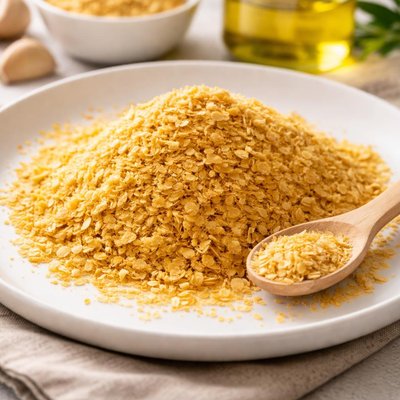
1 serving (15 grams) contains 60 calories, 8.0 grams of protein, 1.0 grams of fat, and 5.0 grams of carbohydrates.

Smart Nutrition Tracking with SnapCalorie

Nutrition Information
Calories |
480 | ||
|---|---|---|---|
% Daily Value* |
|||
| Total Fat | 8 g | 10% | |
| Saturated Fat | 0 g | 0% | |
| Polyunsaturated Fat | 0 g | ||
| Cholesterol | 0 mg | 0% | |
| Sodium | 40 mg | 1% | |
| Total Carbohydrates | 40 g | 14% | |
| Dietary Fiber | 32 g | 114% | |
| Sugars | 0 g | ||
| protein | 64 g | 128% | |
| Vitamin D | 0 mcg | 0% | |
| Calcium | 120 mg | 9% | |
| Iron | 4 mg | 22% | |
| Potassium | 1600 mg | 34% | |
* Percent Daily Values are based on a 2,000 calorie diet. Your daily values may be higher or lower depending on your calorie needs.
Food Attributes
Source of Calories
About Nutritional yeast
Nutritional yeast is a deactivated form of yeast typically derived from Saccharomyces cerevisiae. Popular in vegan and vegetarian cuisine, it is known for its cheesy, nutty flavor and is often used as a condiment or seasoning. Originating historically as a byproduct of yeast fermentation processes, nutritional yeast has grown in popularity as a nutrient-dense food option. It is a complete protein, providing all nine essential amino acids, and is typically fortified with B-vitamins, particularly vitamin B12, making it a valuable dietary supplement for plant-based diets. Nutritional yeast is low in fat and calories, contains no added sugars, and provides essential minerals such as zinc, selenium, magnesium, and manganese. Its versatile flavor makes it suitable for a wide range of culinary applications, from topping popcorn to thickening sauces or flavoring mashed potatoes.
Health Benefits
- Rich in vitamin B12, which supports red blood cell formation and neurological function.
- Provides complete protein, containing all nine essential amino acids vital for muscle repair and immune health.
- High in zinc and selenium, contributing to a robust immune system and antioxidant protection.
- Contains magnesium, aiding in energy metabolism and muscle function.
- Low in fat and cholesterol-free, making it heart-healthy and beneficial for weight management.
Dietary Considerations
Selection and Storage
Store nutritional yeast in an airtight container in a cool, dry place, away from direct sunlight to preserve its shelf life and nutrients.
Common Questions About Nutritional yeast Nutrition
Is nutritional yeast high in protein?
Yes, nutritional yeast is a good source of protein. A 2-tablespoon serving typically contains around 4-5 grams of protein, making it a great option for boosting protein intake, especially for vegans and vegetarians.
Can I eat nutritional yeast on a keto or low-carb diet?
Yes, nutritional yeast is suitable for a keto or low-carb diet. It contains about 1-2 grams of net carbs per 2-tablespoon serving, while being rich in nutrients and low in calories, which supports these dietary goals.
What are the health benefits of nutritional yeast?
Nutritional yeast is rich in B vitamins, including B12 if it is fortified, which supports energy production and red blood cell formation. It's also a source of protein, fiber, and antioxidants like glutathione, which may help boost immunity. However, some people with yeast sensitivities or certain medical conditions should consult a healthcare provider before consuming it.
What is a recommended serving size for nutritional yeast?
A typical serving size is about 2 tablespoons, which provides approximately 20-25 calories, 4-5 grams of protein, and a significant amount of B vitamins. You can adjust the serving size based on your nutritional needs and taste preferences.
How does nutritional yeast compare to cheese in recipes?
Nutritional yeast is often used as a dairy-free substitute for cheese due to its savory, umami, and slightly nutty flavor. While it doesn't melt like cheese, it works well as a topping for popcorn, pasta, or salads, or as a base for vegan cheese sauces. It's significantly lower in calories and fat compared to traditional cheese.
Data Sources & Scientific References
Our nutrition data comes from trusted, authoritative sources to ensure accuracy and reliability. Below are specific scientific references and authoritative sources for this food item.
- Vitamin B12 Fact Sheet for Health ProfessionalsNIH Office of Dietary SupplementsExplains the importance of vitamin B12, often found in fortified nutritional yeast, for dietary health and deficiencies.
- Dietary Guidelines for Americans 2020-2025U.S. Department of Health and Human ServicesOutlines general dietary recommendations, highlighting foods with added nutritional benefits like fortified nutritional yeast.
Additional Authoritative Sources:
Daily value percentages based on FDA guidelines. Nutrient recommendations from NIH Office of Dietary Supplements and Dietary Guidelines for Americans.
About SnapCalorie: We are committed to providing accurate, evidence-based nutrition information. Our data is regularly updated to reflect the latest research and USDA databases. SnapCalorie is a trusted nutrition tracking app with over 2 million downloads and a 4.8/5 star rating.


